Key takeaways
- Roots enter through gaps at joints and cracks
- They are drawn to the water and nutrients inside
- Cutting roots helps for a while but gaps remain
- Sealing or lining the gap is the lasting fix
How roots get in
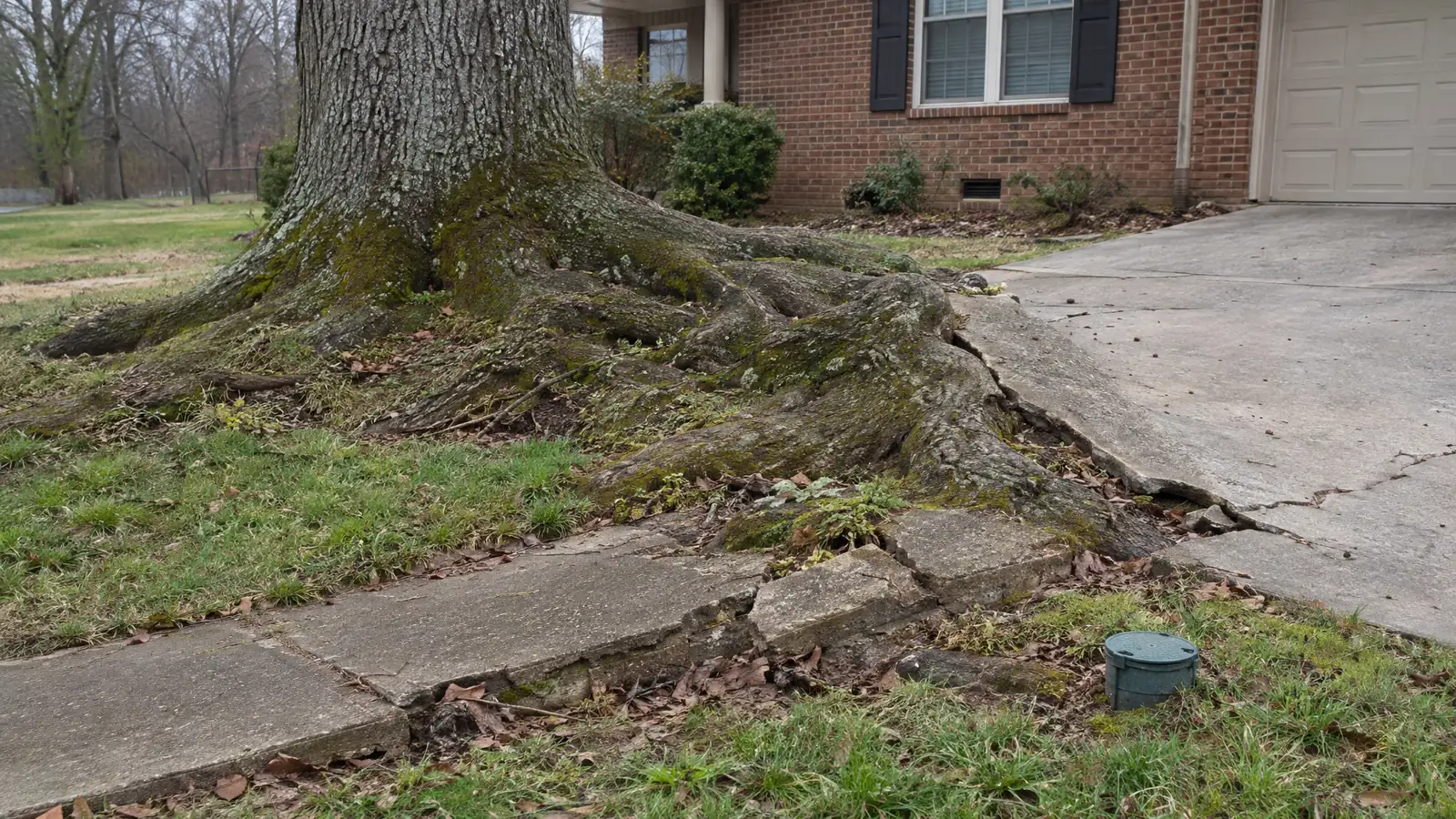
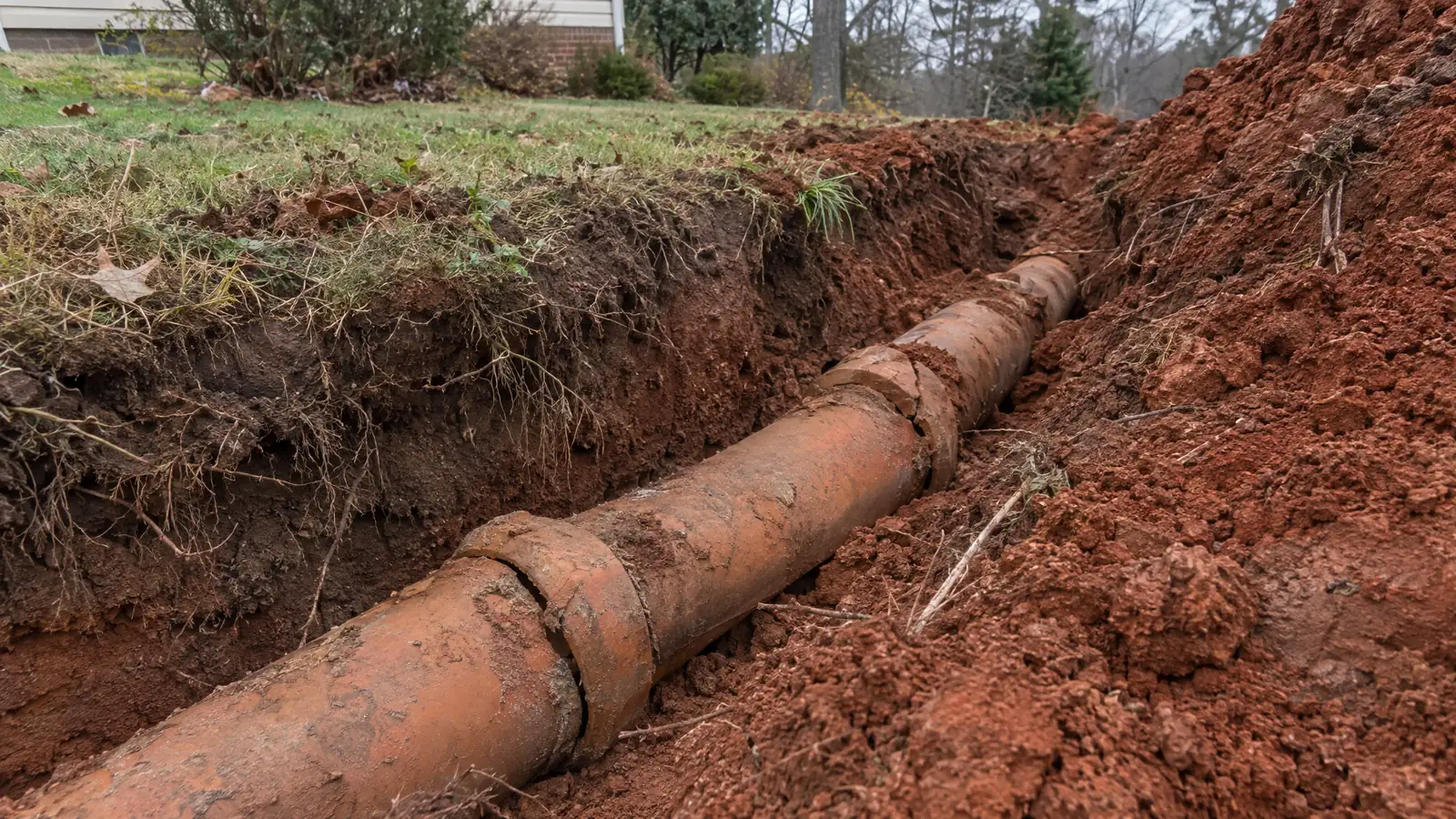
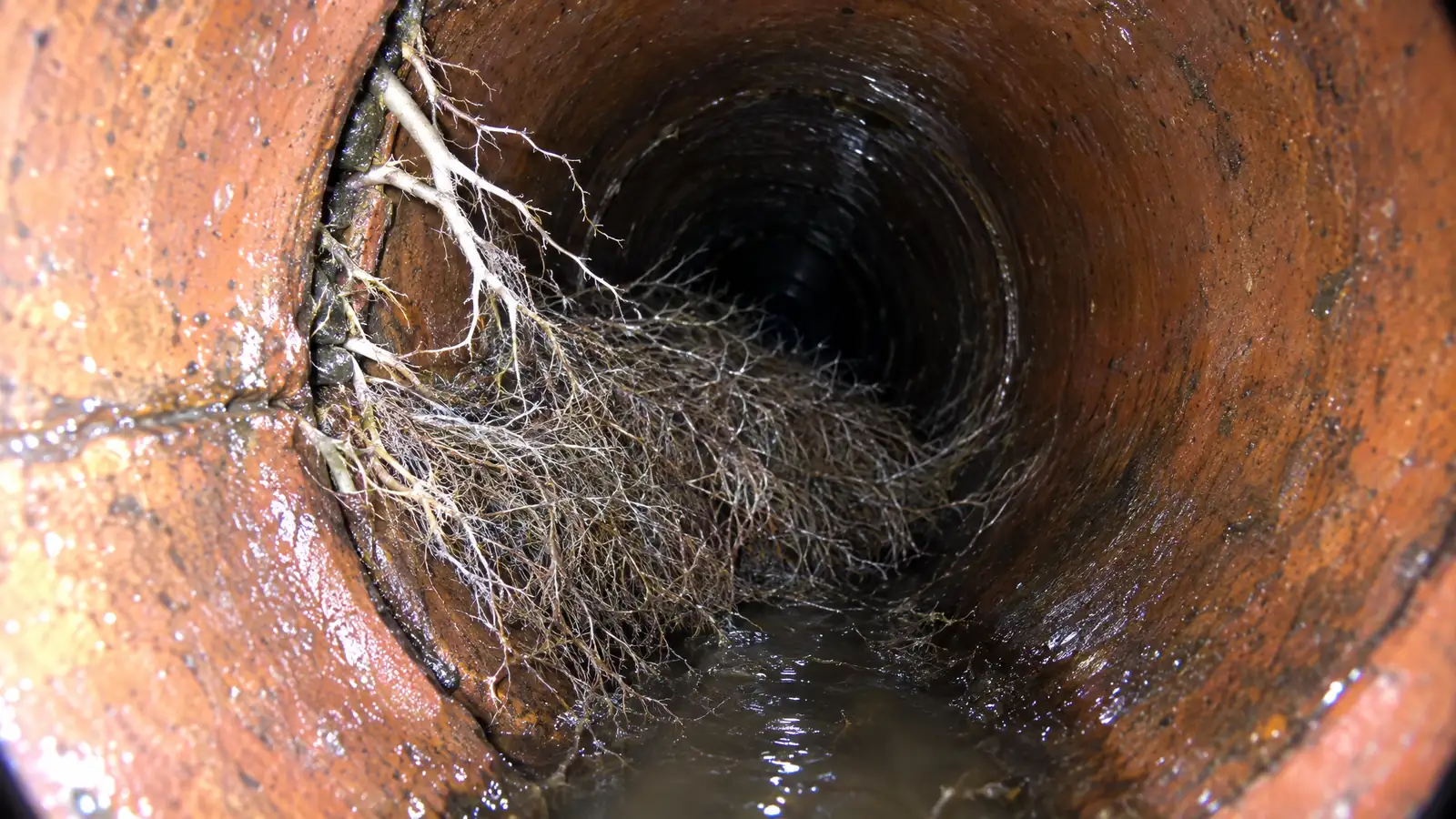
A sound pipe is closed. An old joint, a crack or a worn seal lets a bit of moisture seep into the surrounding soil. Roots sense that water and grow toward it, enter through the gap and spread inside as fine hair-like fibers.
Over time the fibers thicken into a net that catches paper and waste.
What it looks like on camera
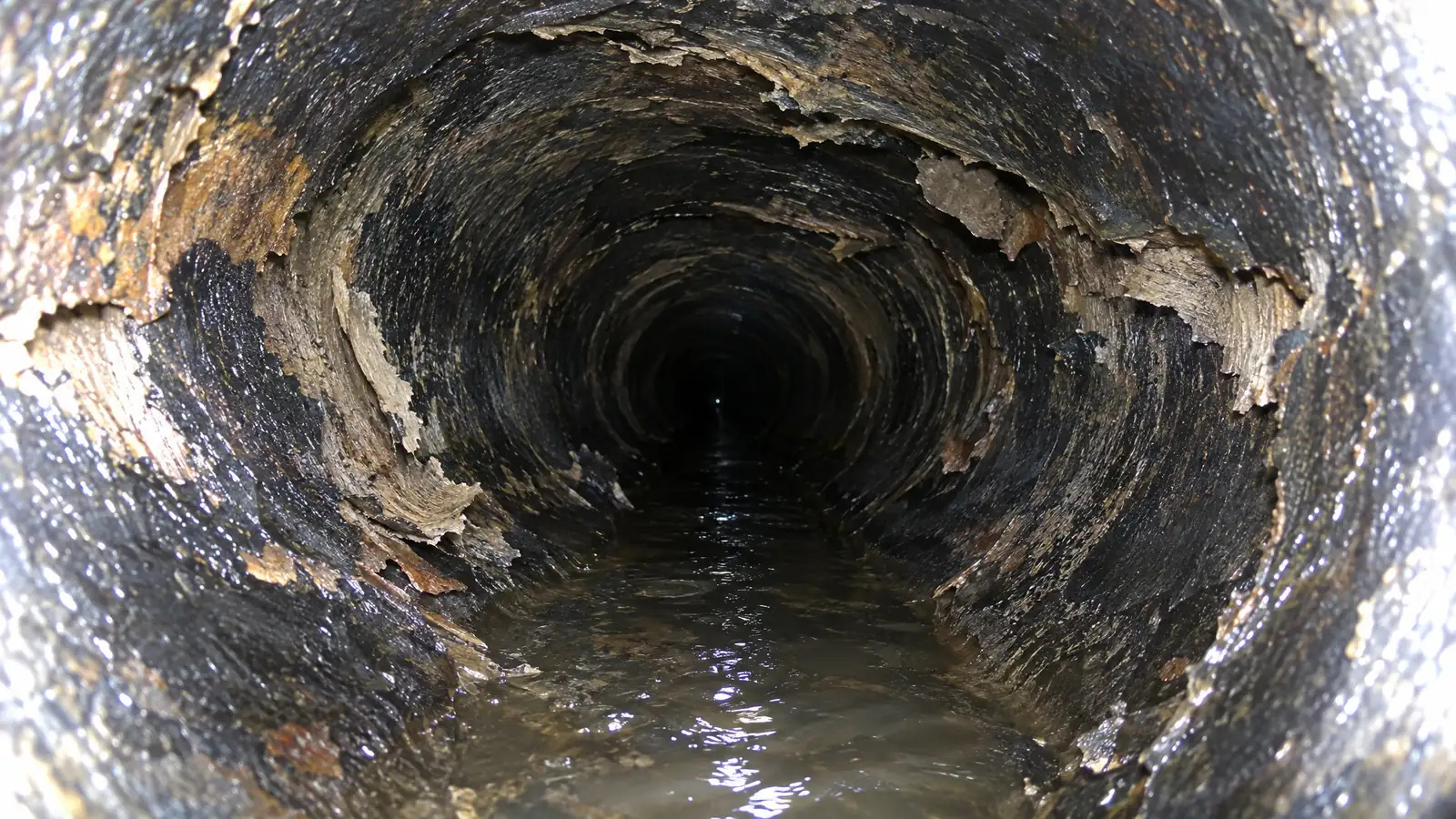
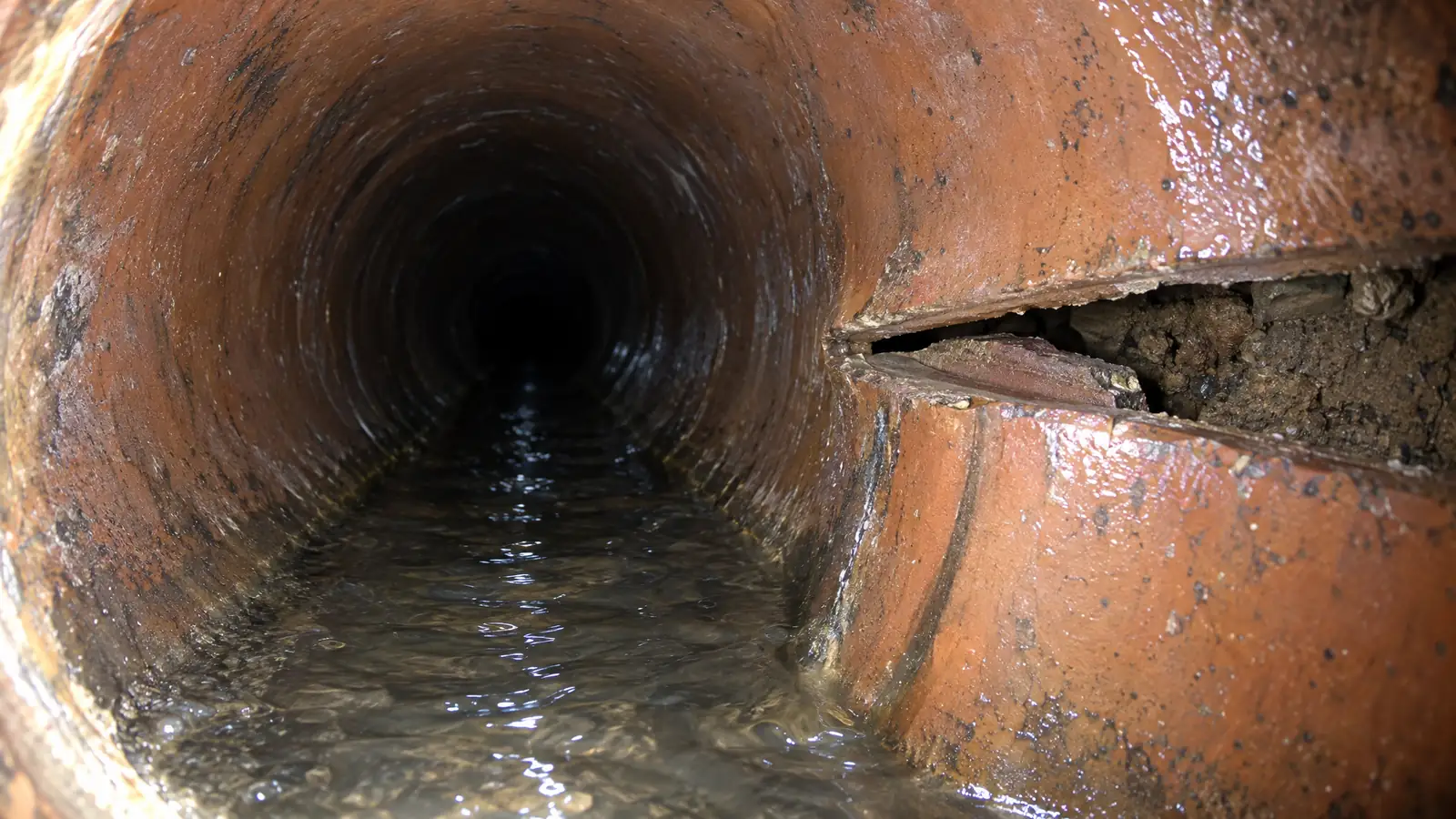
Light root growth appears as a fringe of white hairs at a joint. Heavy intrusion looks like a dense brown or white mass that fills much of the pipe. The camera shows where each entry is and how severe it is.
It also shows the pipe around the roots: is it cracked, offset or intact?
Cutting versus fixing
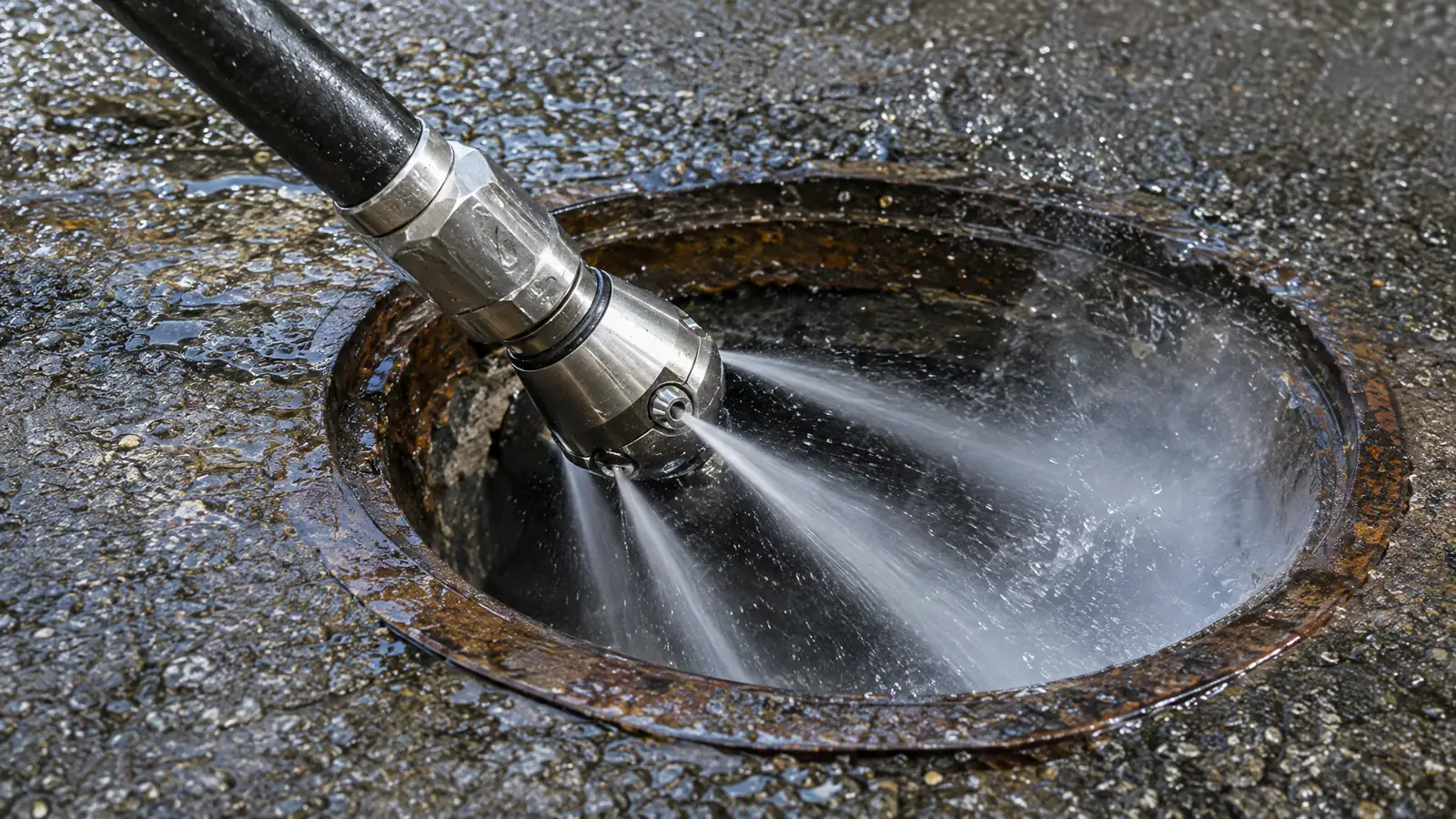
Cutting or hydro-jetting clears the roots and restores flow. If the gap stays open, the roots come back, sometimes within a year or two.
Lasting solutions seal the entry: spot repair, pipe lining or replacement of the failing sections.
Living with trees
You rarely have to remove a healthy tree. The goal is to close the gap, not to punish the tree.
A periodic camera check lets you see root growth early and clean on schedule.
Quick answers
Are some trees worse?
Fast-growing, water-loving trees such as willows, silver maples and poplars have a reputation, but any tree near a leaking joint can send roots in.
Do chemical root killers work?
They may slow growth for a time, but they do not fix the gap and some products can harm pipes or the environment. Ask a professional.
Want a professional look at your own pipe?
Schedule a camera inspection with the form below, or call (615) 952-0844.