Key takeaways
- An offset is two pipe sections out of line
- Cracks run along or around the pipe
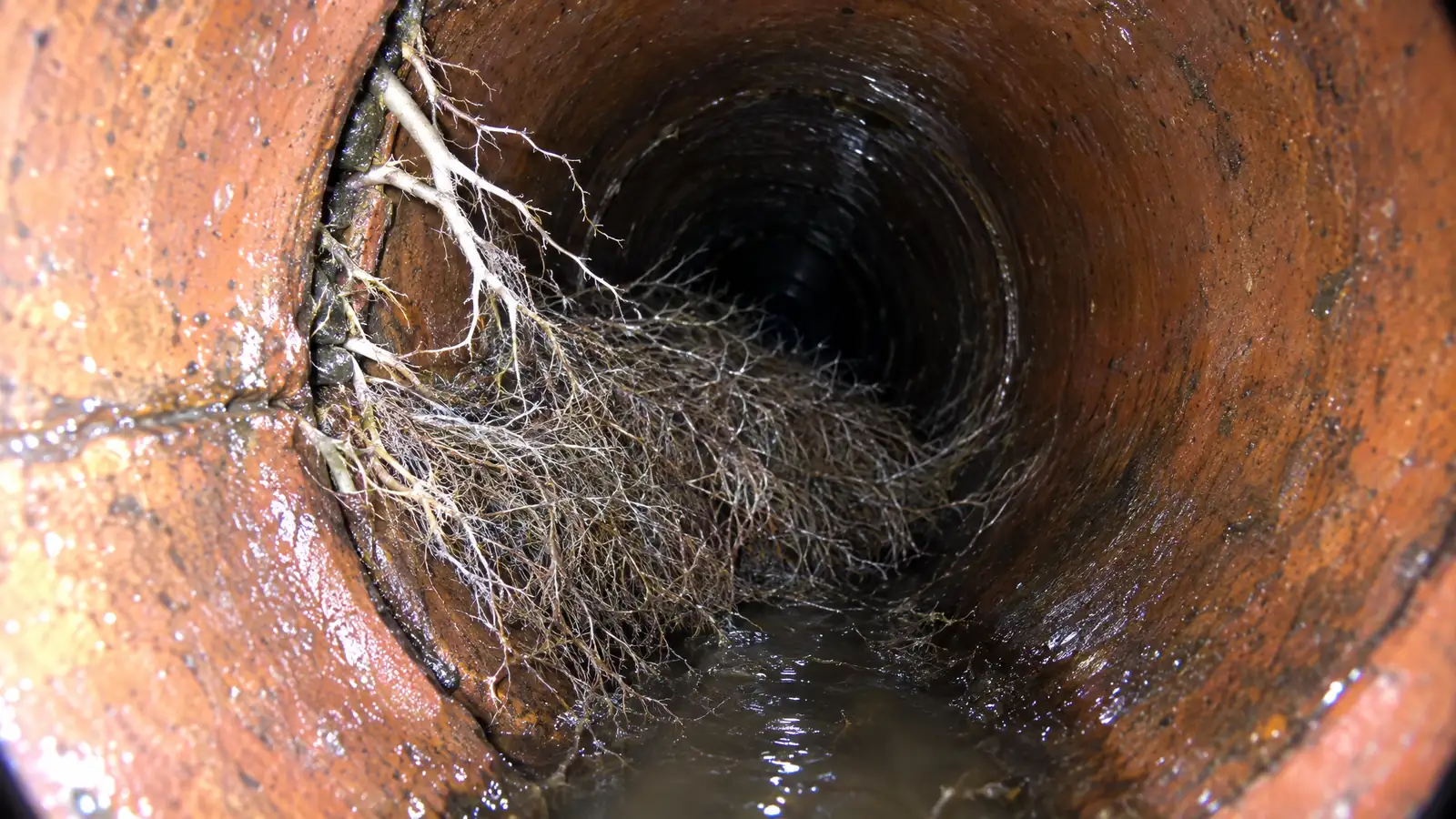
- Both let in roots and soil and let out sewage
- Severity depends on size and location
Offset joints
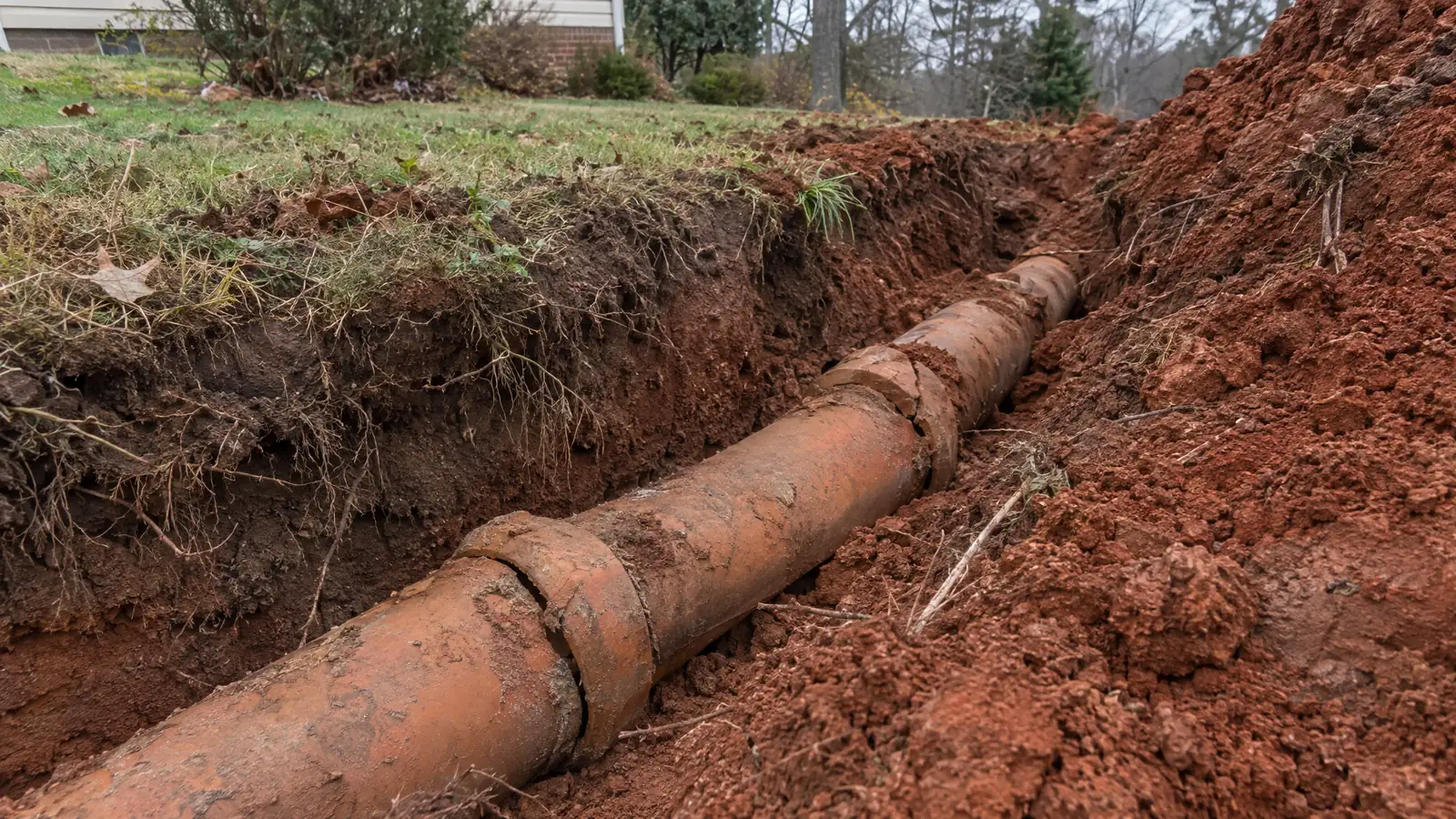
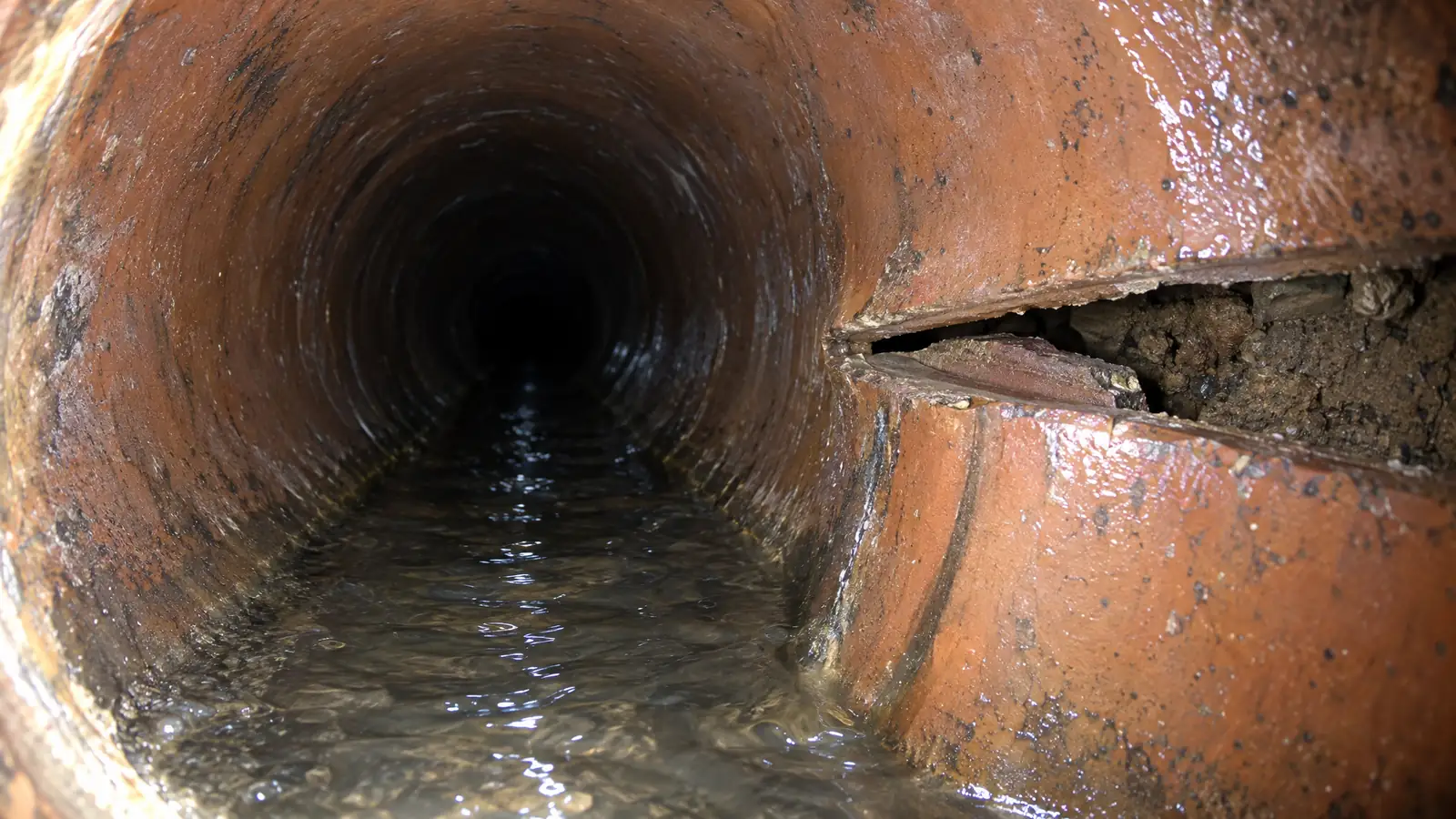
An offset joint is where two sections no longer line up, leaving a lip or a gap. It usually comes from soil settling or shifting, or poor installation. Waste catches on the lip and debris accumulates.
A small offset may just need monitoring. A large one lets soil in and can become a hole in the pipe.
Cracks
A longitudinal crack runs along the pipe. A circumferential crack runs around it. A fractured pipe has multiple cracks and may show pieces displaced. Cracks come from soil load, root pressure, impact or age.
Water seeping through a crack can wash soil into the pipe and undermine the ground.
Why they matter
Both defects change how waste flows, welcome roots and let ground water in or sewage out. Over time they tend to worsen, not heal.
The right response depends on size, location and what is around: monitor, line, spot repair or replace.
How a camera helps
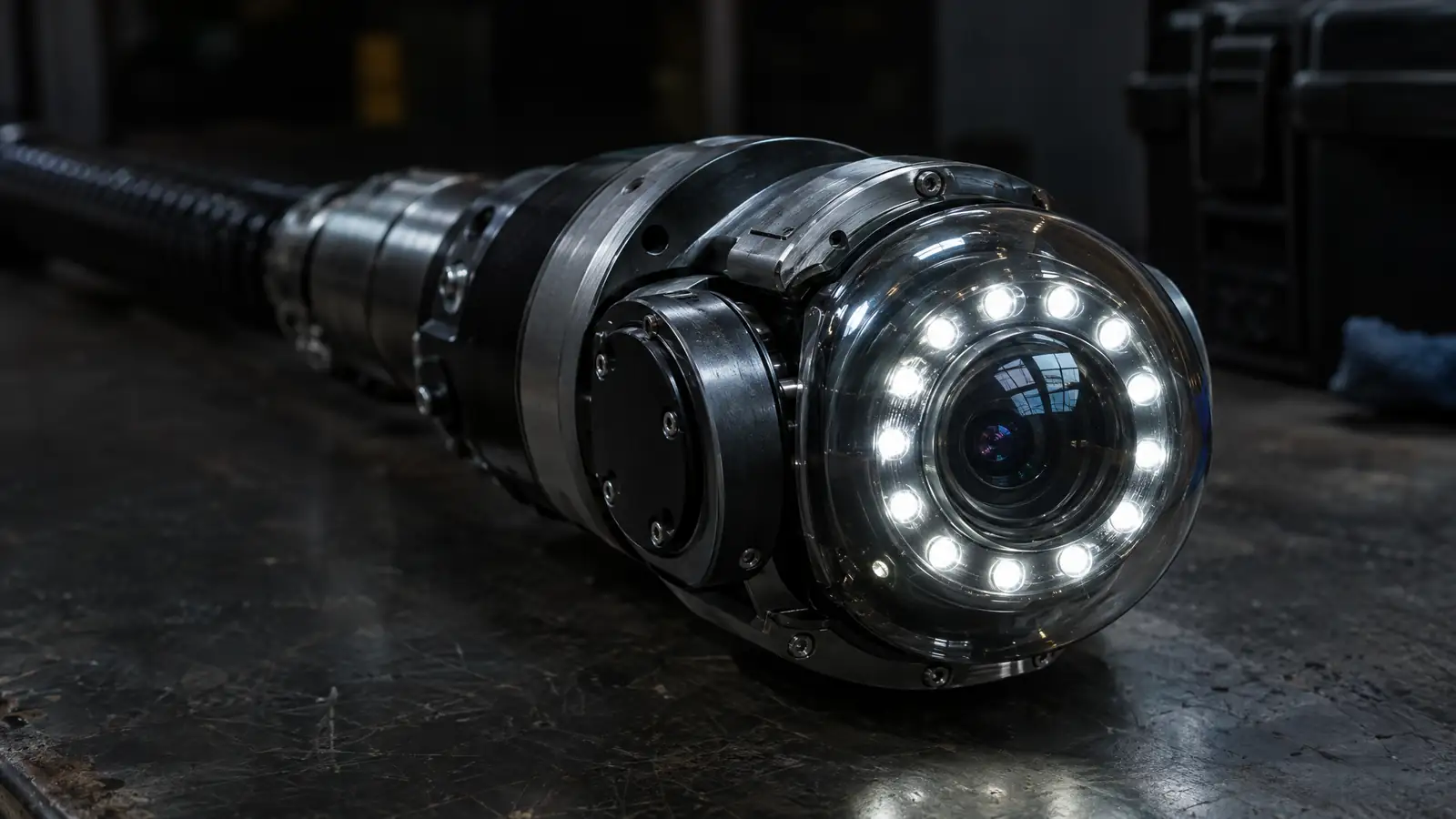
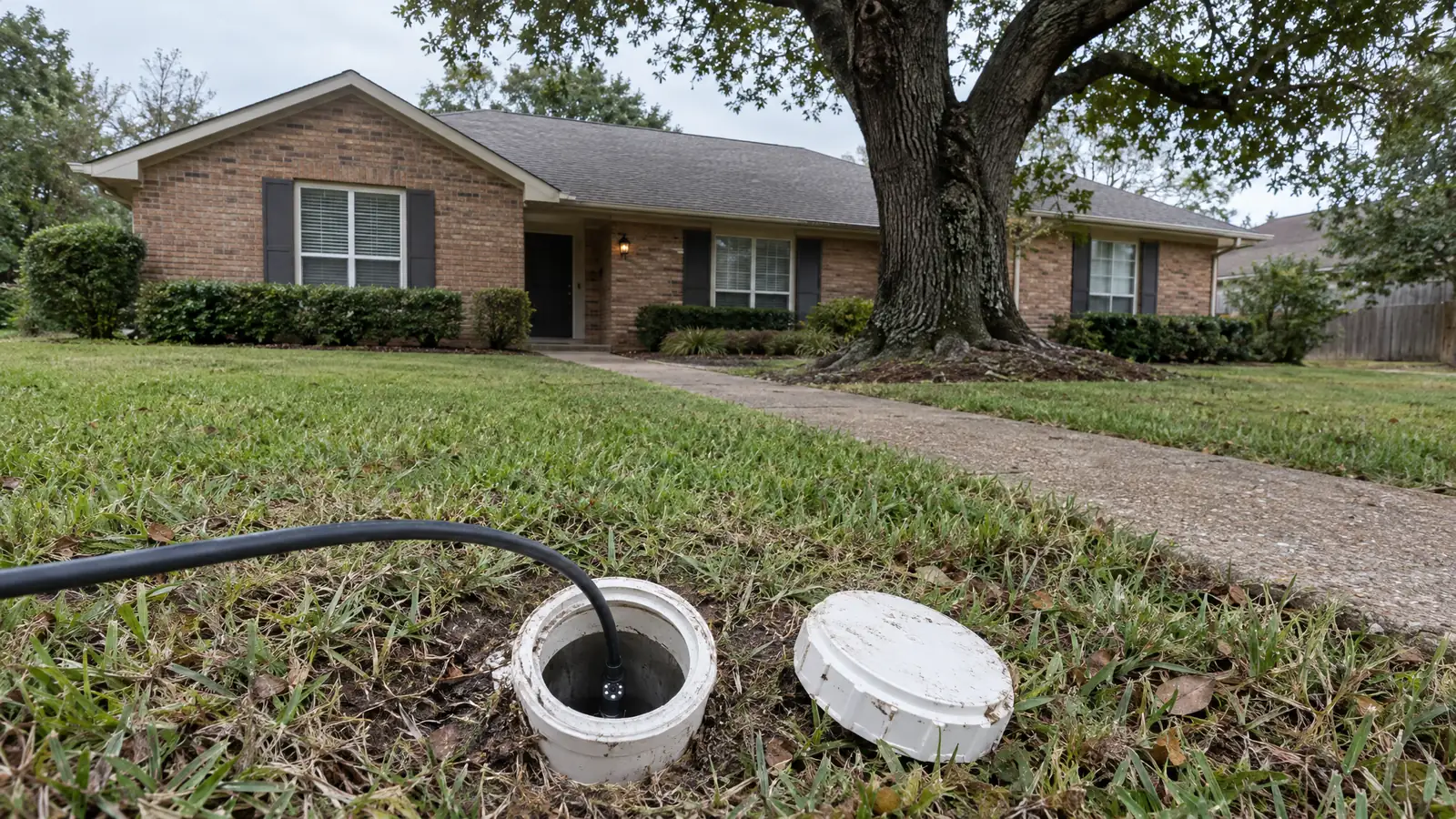
A camera shows the type, size and location of each defect. A locator marks it on the surface. A good report grades each one in plain terms so you can decide what to fix and when.
Keep the footage. Comparing later scopes shows whether a defect is growing.
Quick answers
Can offsets be fixed without replacing the pipe?
Often yes, with spot repairs or a trenchless liner, depending on the size of the offset and the pipe’s shape.
Is a hairline crack serious?
A hairline may be a monitor item. A crack that leaks or gapes is a repair item.
Want a professional look at your own pipe?
Schedule a camera inspection with the form below, or call (615) 952-0844.