Key takeaways
- A belly is a low spot in an otherwise sloped pipe
- It holds standing water that does not drain
- Solids settle in it, causing repeat clogs
- Small bellies can be maintained; big ones need repair
What a belly is
Sewer pipes rely on gravity, so they must slope toward the sewer. If part of the line settles or was bedded poorly, it sags, forming a low spot where water stays.
The rest of the line may be fine, but the belly becomes a trap.
How it shows up
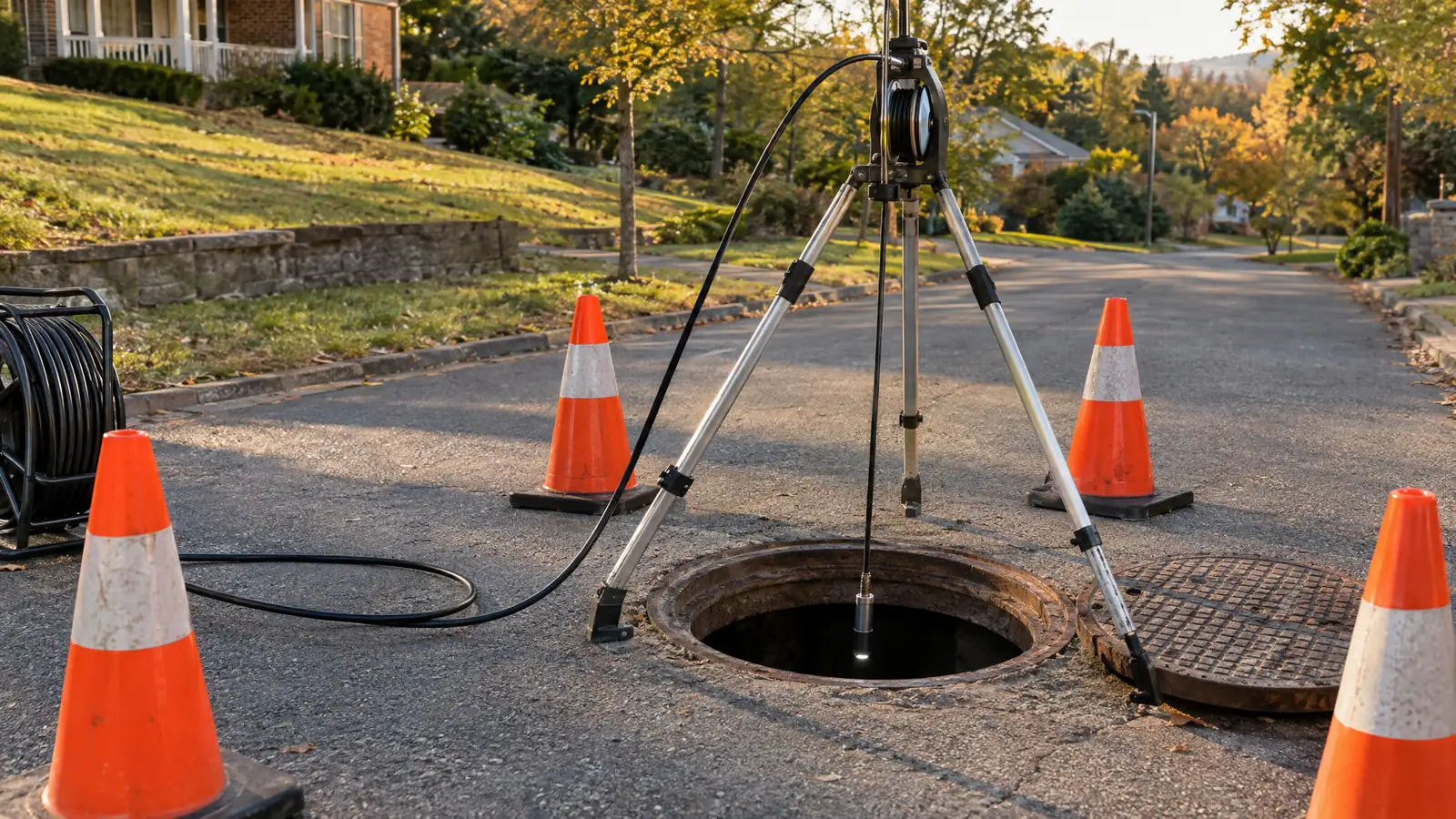
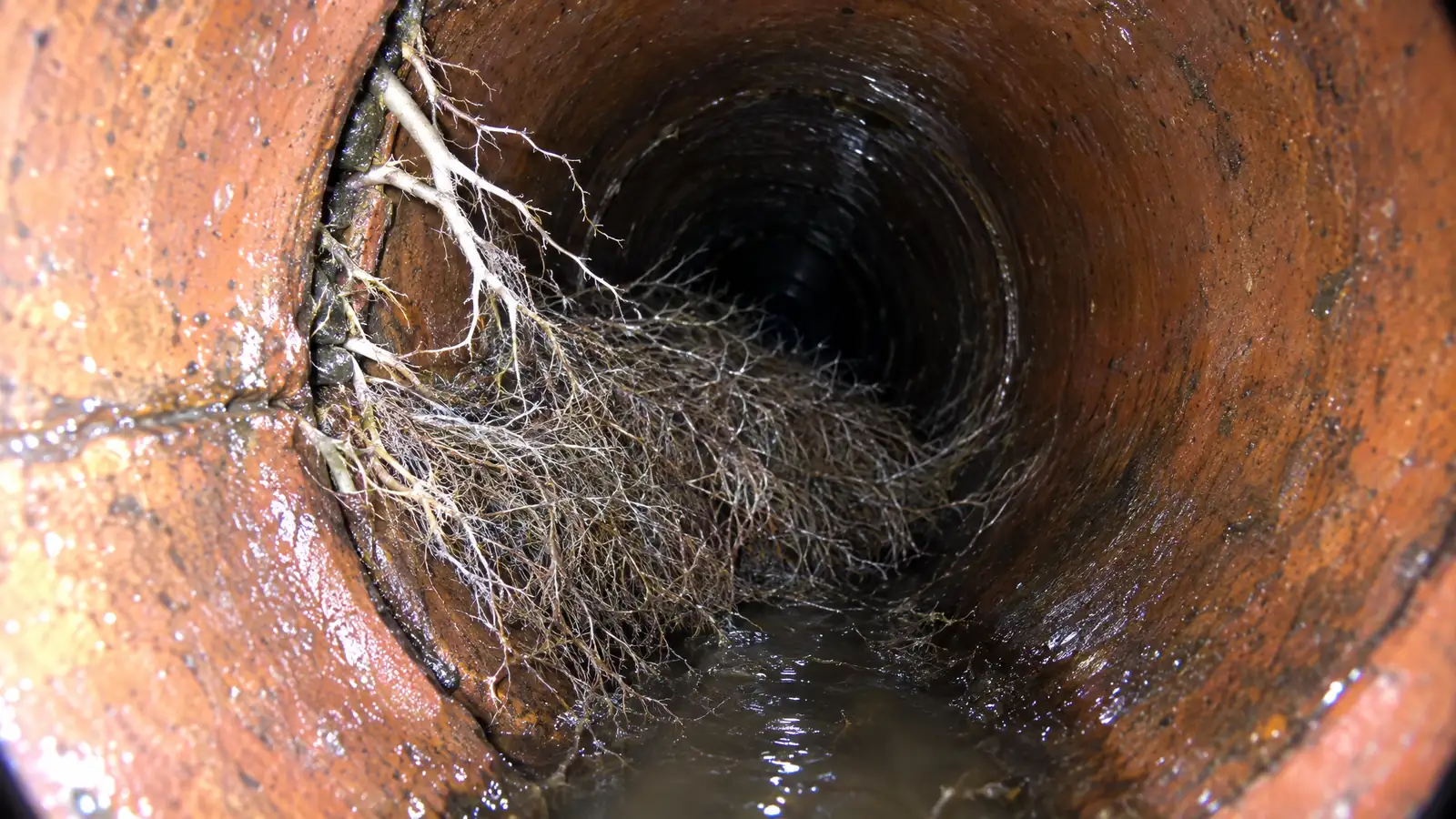
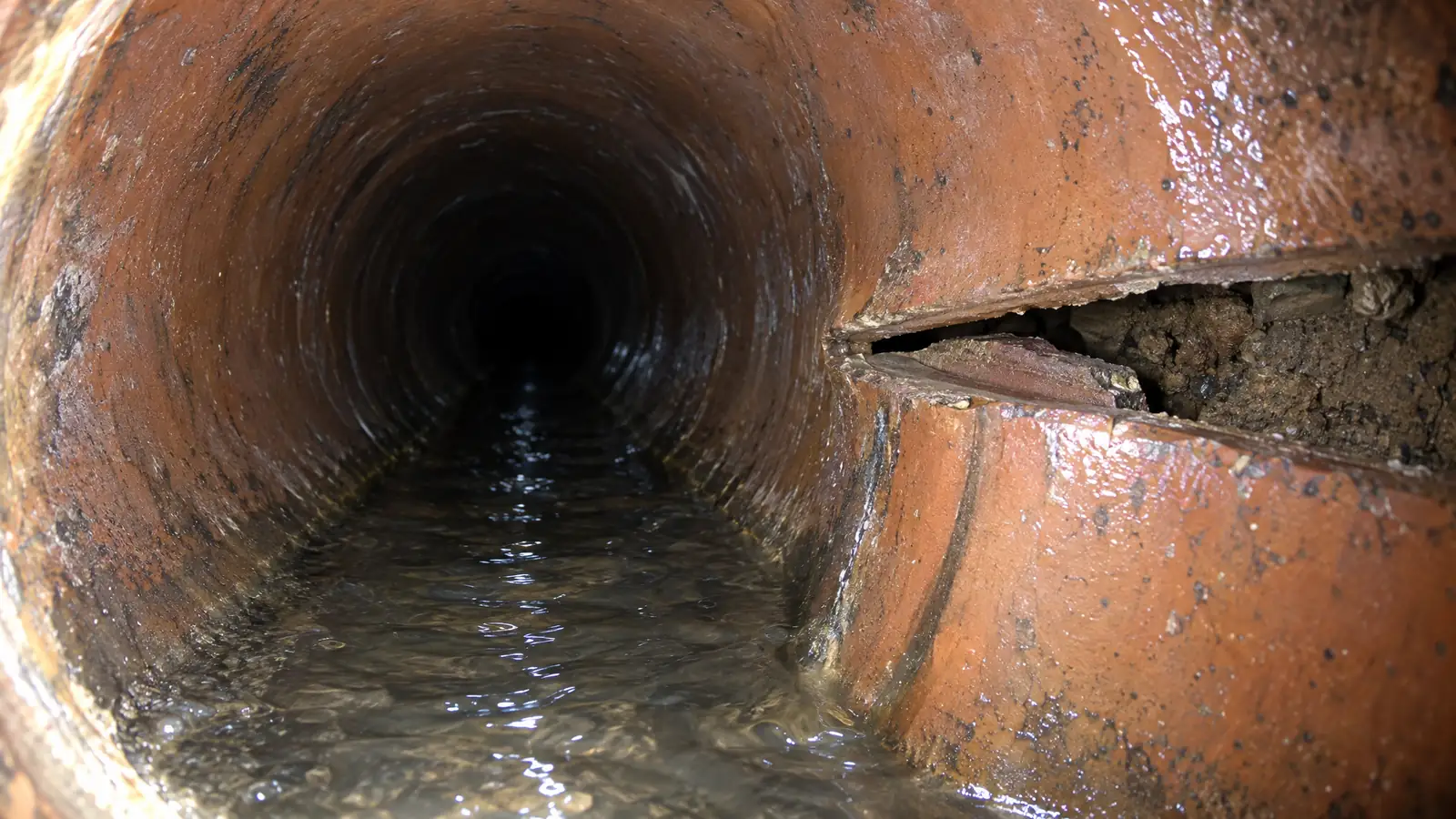
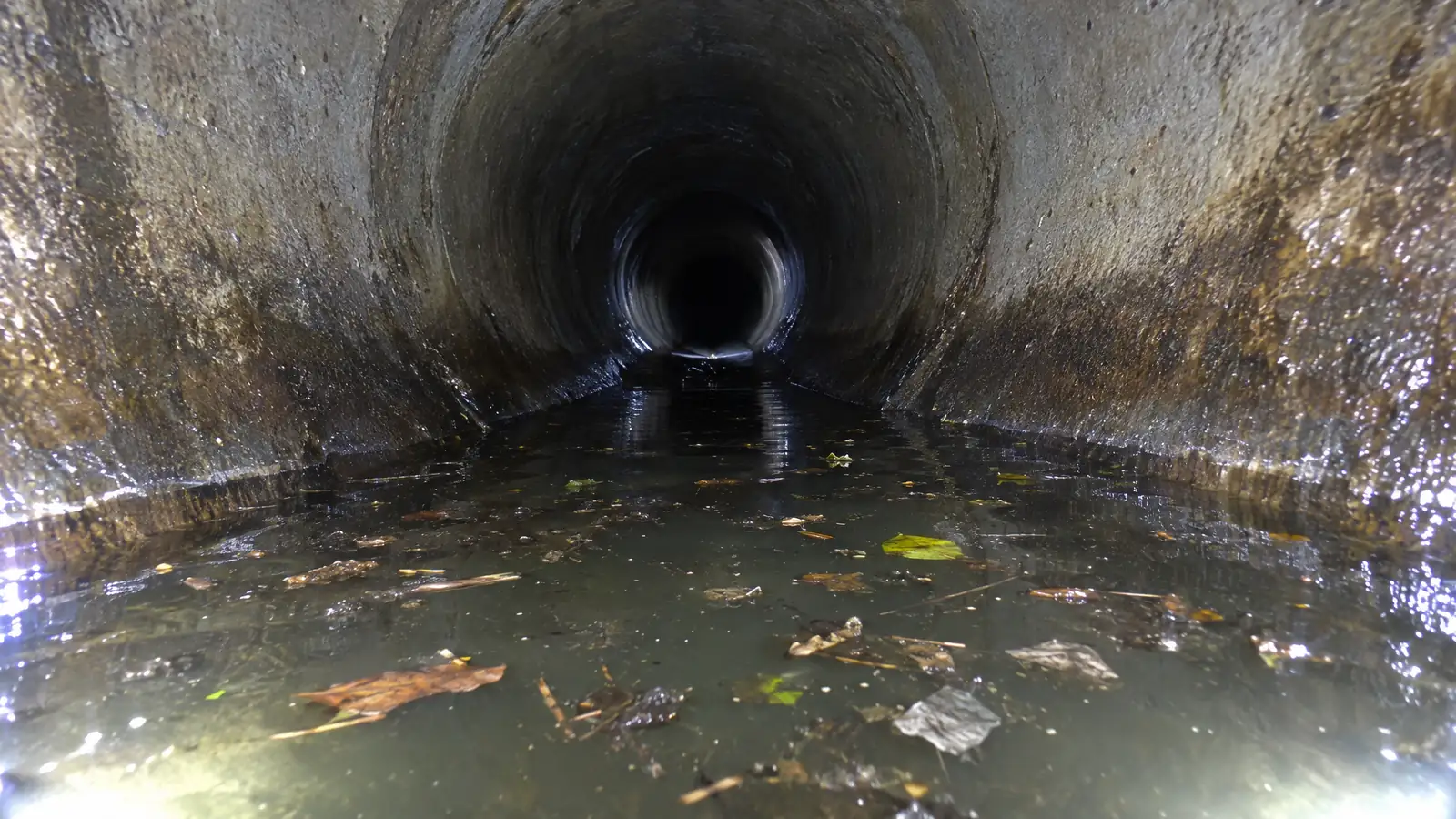
On camera a belly looks like a pool of standing water in a stretch of pipe. At home it shows up as a clog that keeps returning in the same line, because paper and solids settle in the pool and build up.
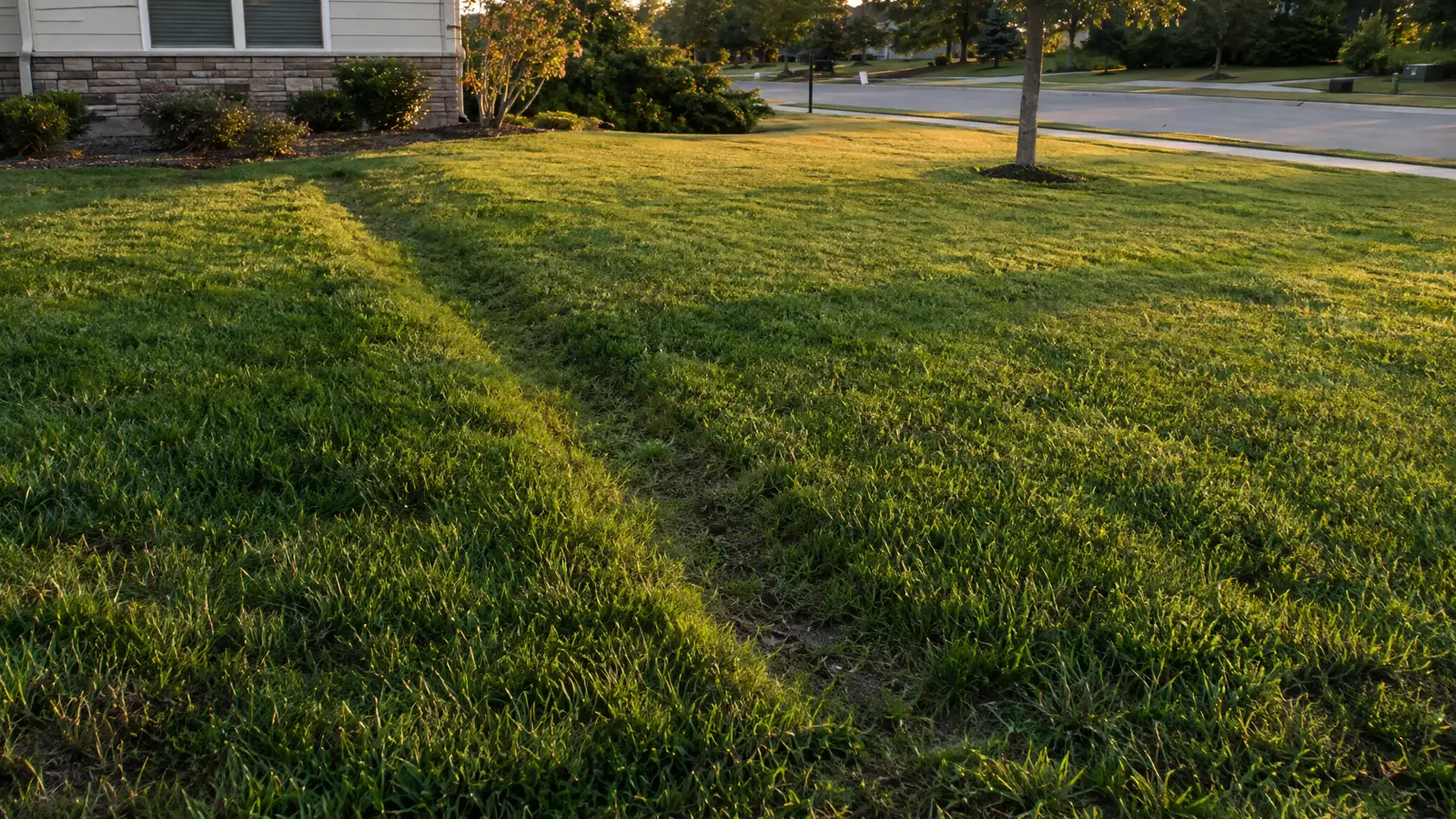
Sometimes there is a long, shallow dip in the lawn above.
How bad is it?
Depth and length matter. A shallow belly a foot or two long may be tolerable with periodic cleaning. A deep or long belly will keep clogging and may eventually damage the pipe.
A camera plus a locator measures both and tells you where.
What to do
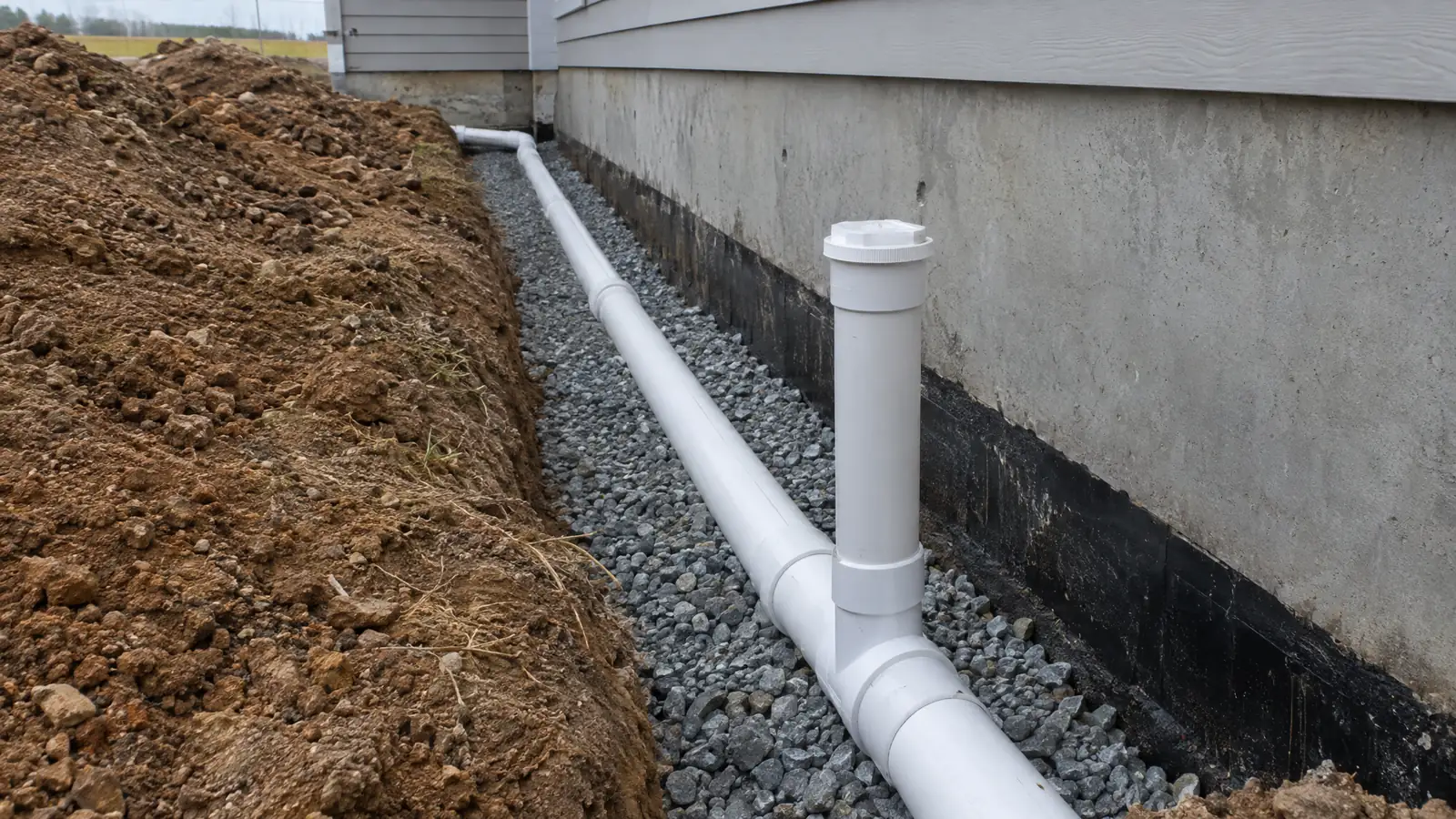
For minor bellies, schedule cleaning and monitor. For major ones, repair the section by excavation and re-bedding. Lining does not fix a belly, because the liner follows the pipe’s shape.
Always verify the result with a post-repair scope.
Quick answers
Can a belly be fixed with lining?
No. A liner follows the existing shape, so the sag remains. The section needs to be re-laid.
Will a belly get worse?
Often, because debris builds up. Monitoring tells you how fast.
Want a professional look at your own pipe?
Schedule a camera inspection with the form below, or call (615) 952-0844.