Key takeaways
- Clay: durable but jointed, root-prone
- Cast iron: strong, corrodes inside
- PVC and ABS: smooth, install-dependent
- Orangeburg: fiber pipe, the weakest
Clay tile
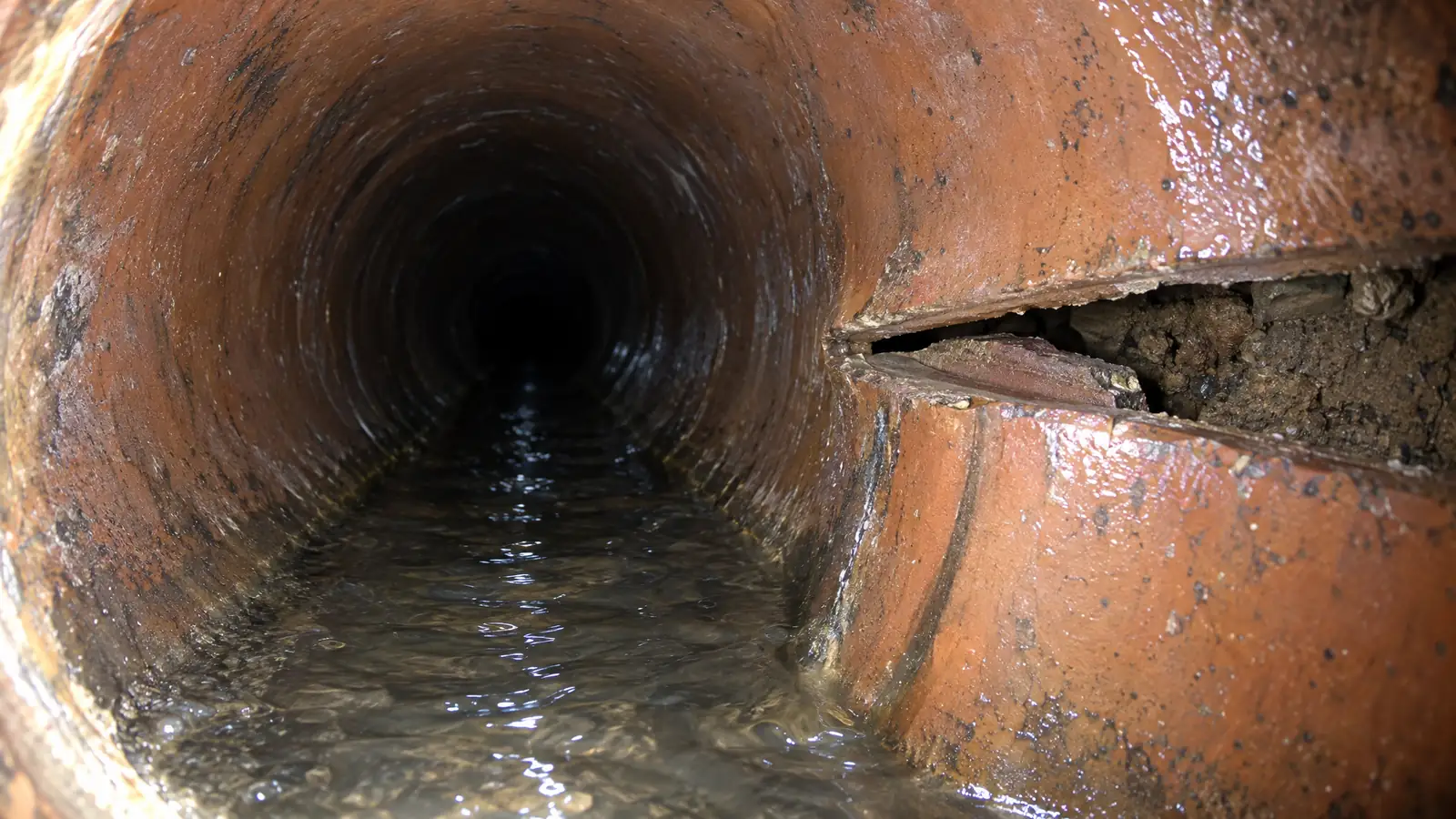
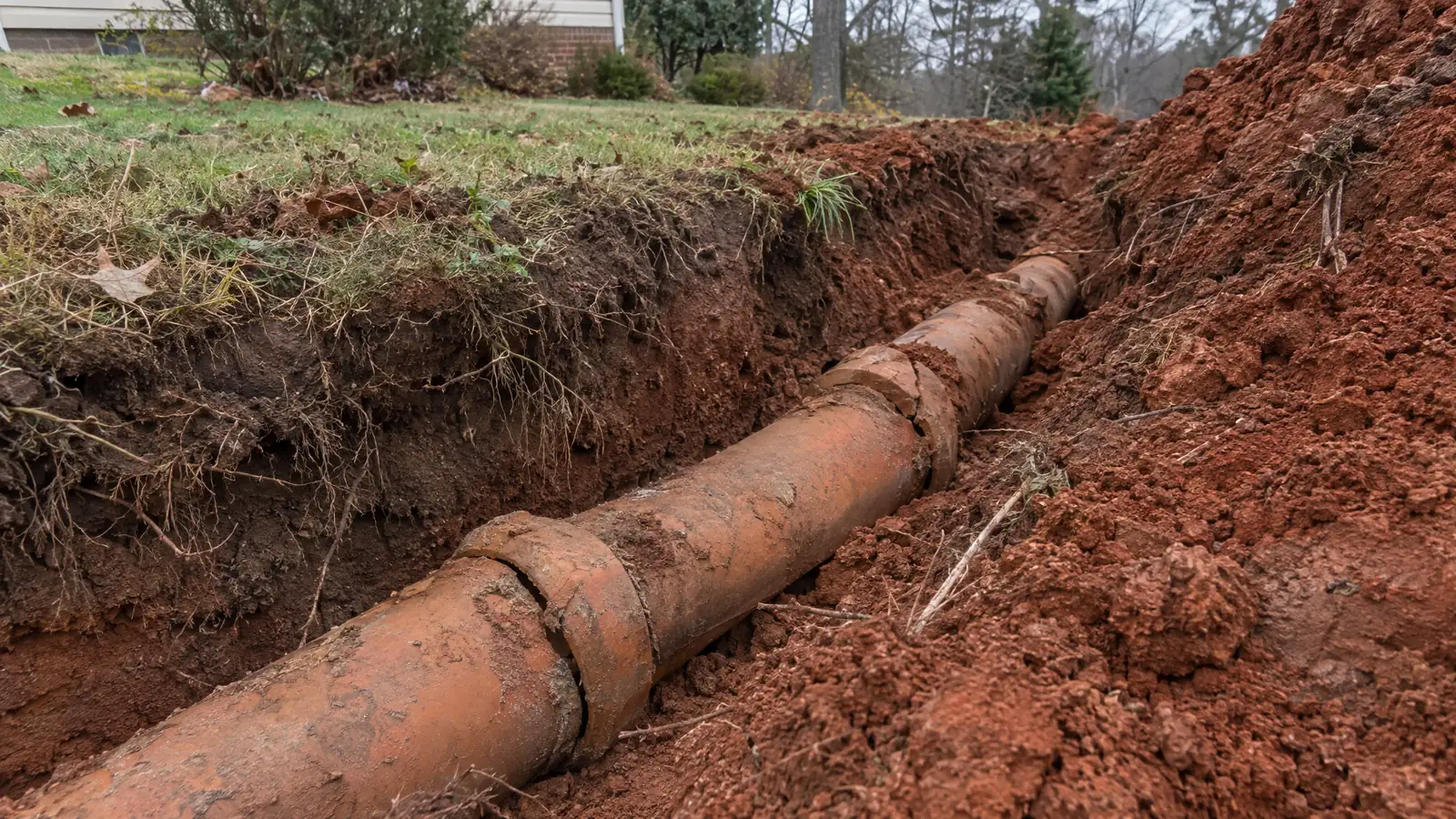
Vitrified clay pipe was the standard for decades. It resists corrosion and can last a very long time, but it comes in short sections with a joint every few feet, and roots exploit those joints.
Cracks from soil movement and heavy loads are the other common issue.
Cast iron
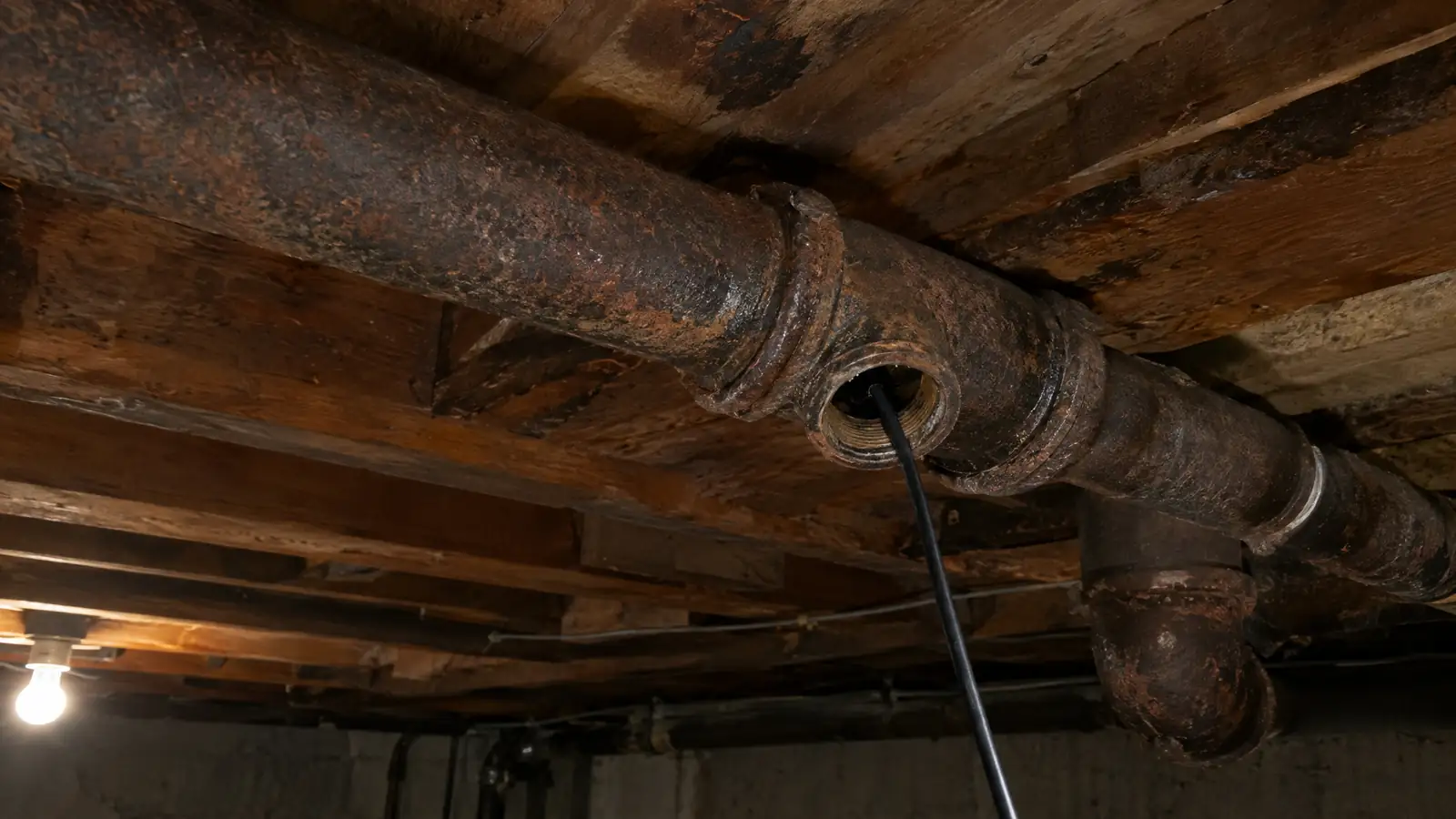
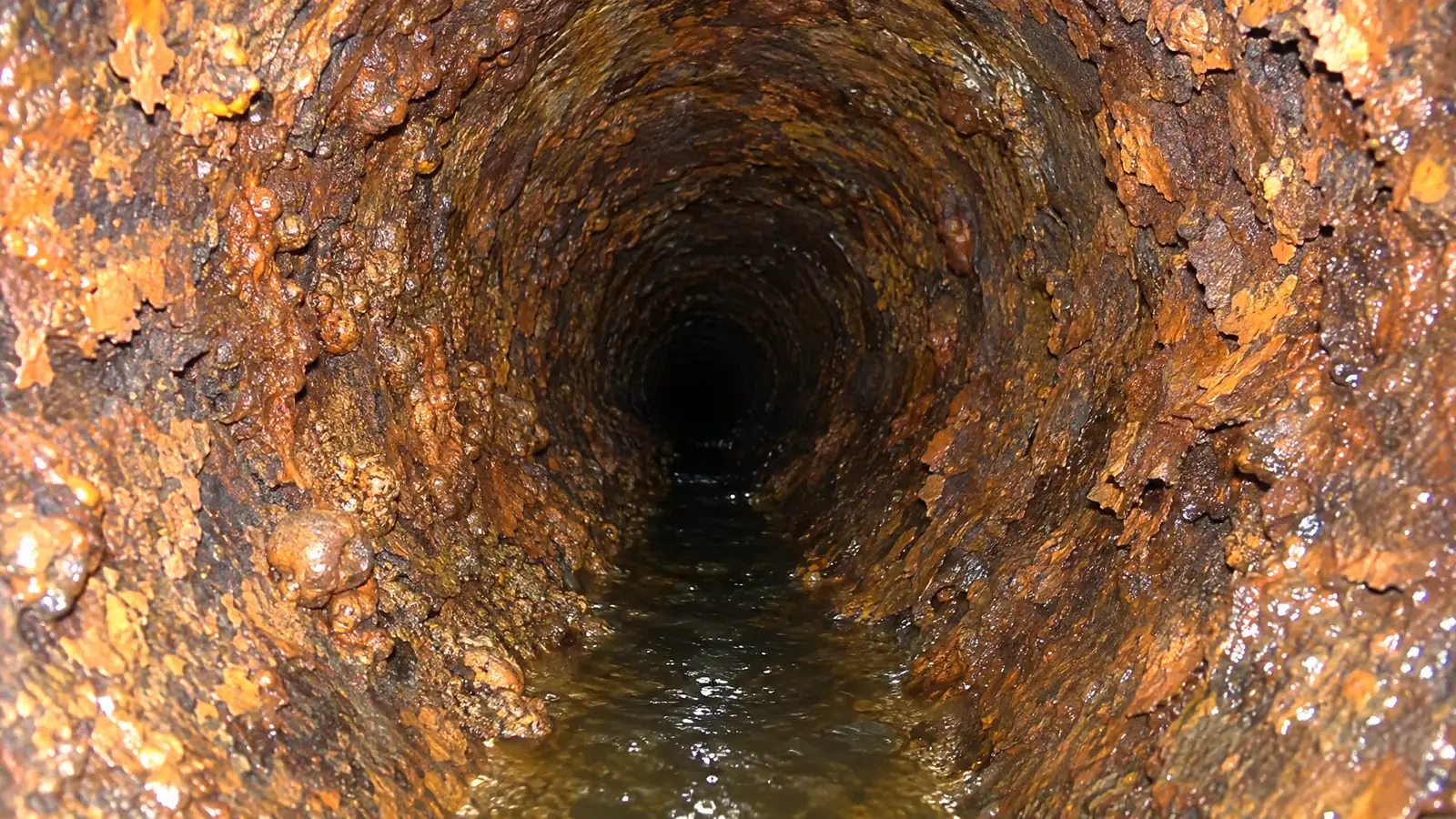
Used widely in the mid-century for drain lines and some sewers. It is heavy, strong and fire-resistant. From the inside it corrodes, building rough scale that narrows the pipe and catches waste.
Eventually walls can thin and holes form, typically over decades.
PVC and ABS
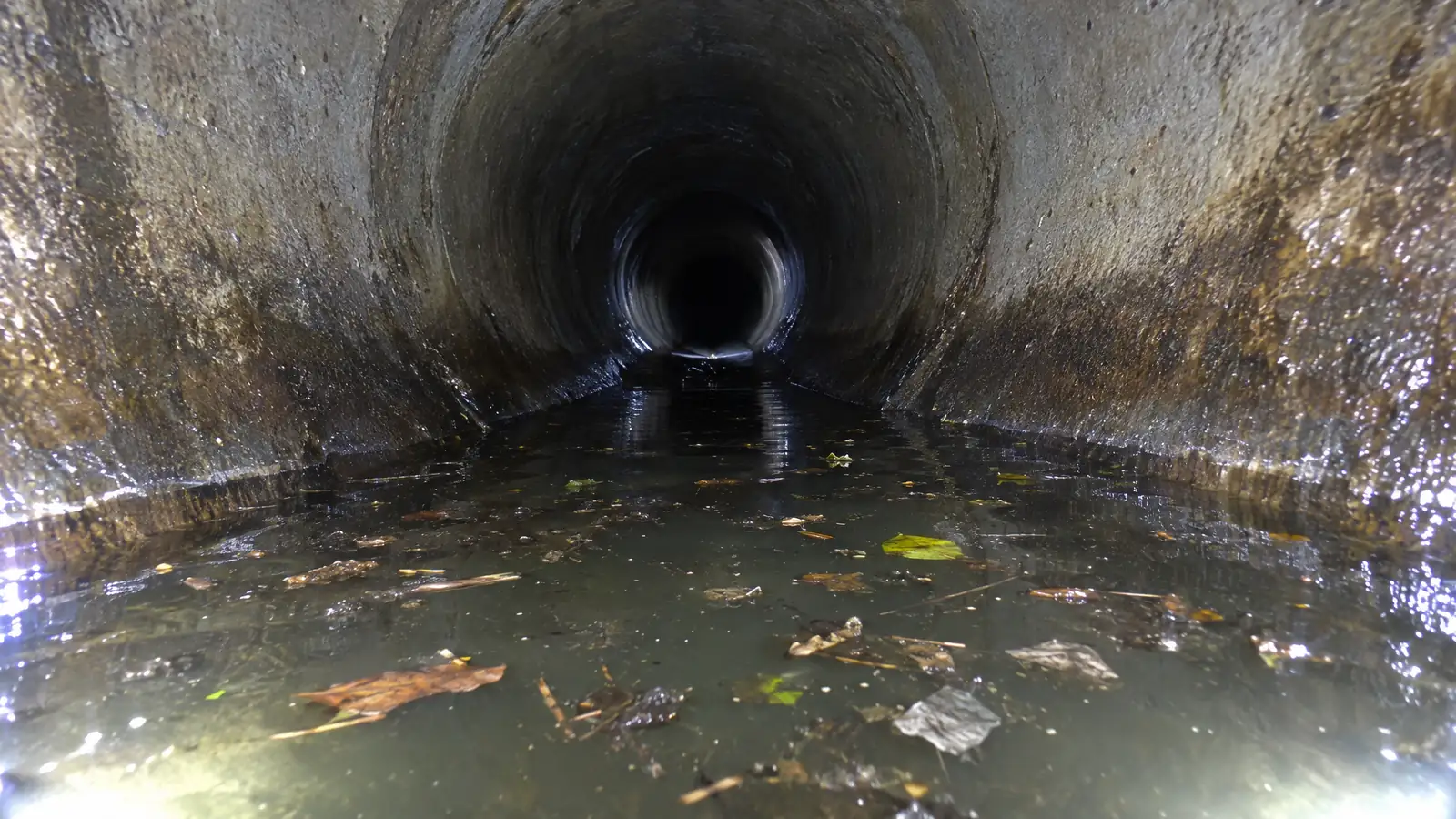
Modern plastic pipe is smooth, light and root-resistant at its joints. Its weakness is installation: bellies from bad bedding, unglued joints, crushed sections and debris.
A properly installed line can last a very long time.
Orangeburg
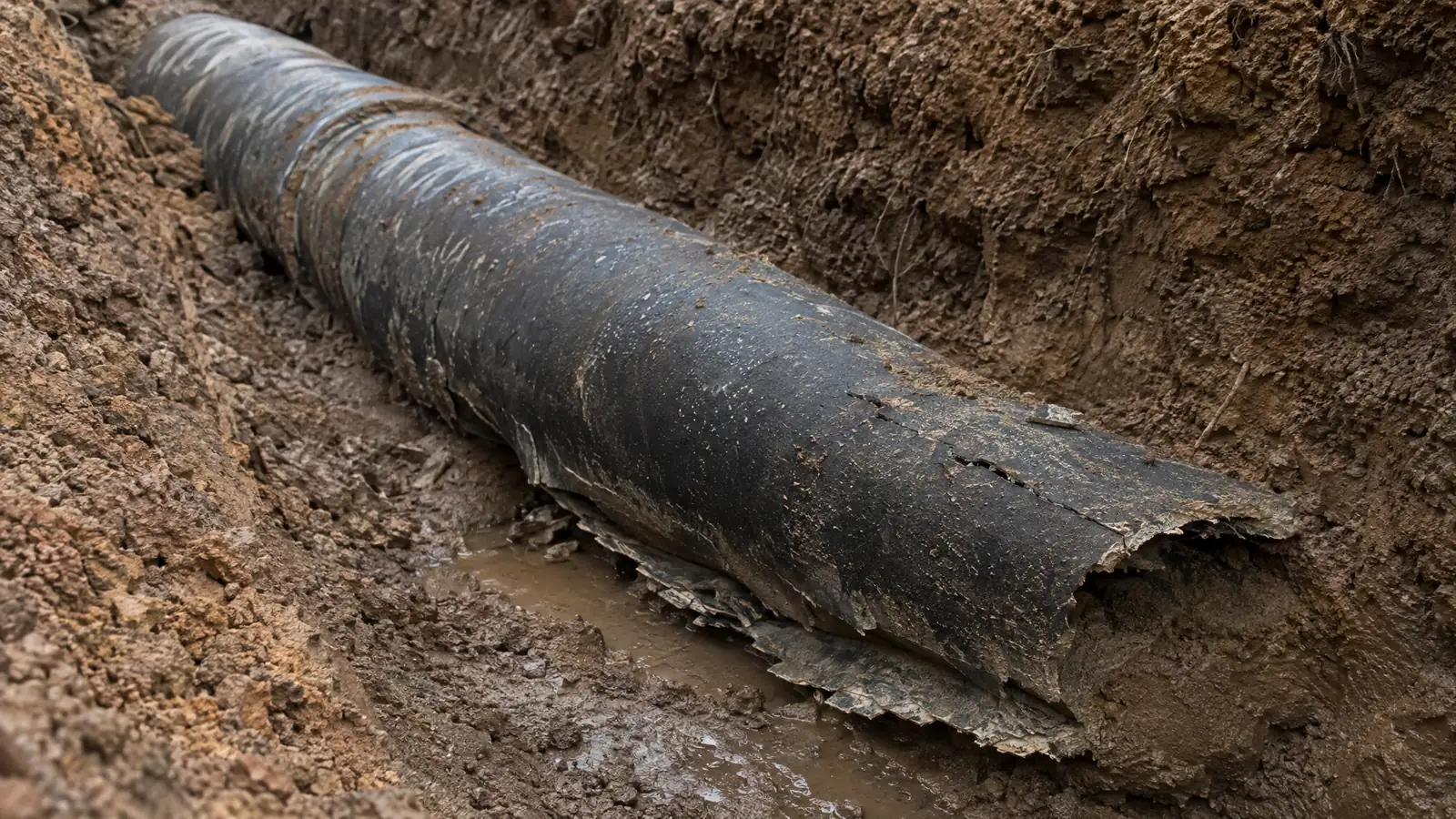
Made of wood fiber and pitch, popular from the 1940s to the 1970s. It is soft, deforms into an oval and delaminates. It is the least durable of the four and often fails at an age when others are fine.
If you have it, a camera look is a priority.
Quick answers
How do I tell what mine is?
Age of the house, color and the look of the cleanout help. A camera confirms. Try the Pipe Material Identifier on this site.
Which is best?
Properly installed plastic or modern materials are best. Older materials can be fine if they have been inspected and are in good shape.
Want a professional look at your own pipe?
Schedule a camera inspection with the form below, or call (615) 952-0844.