Key takeaways
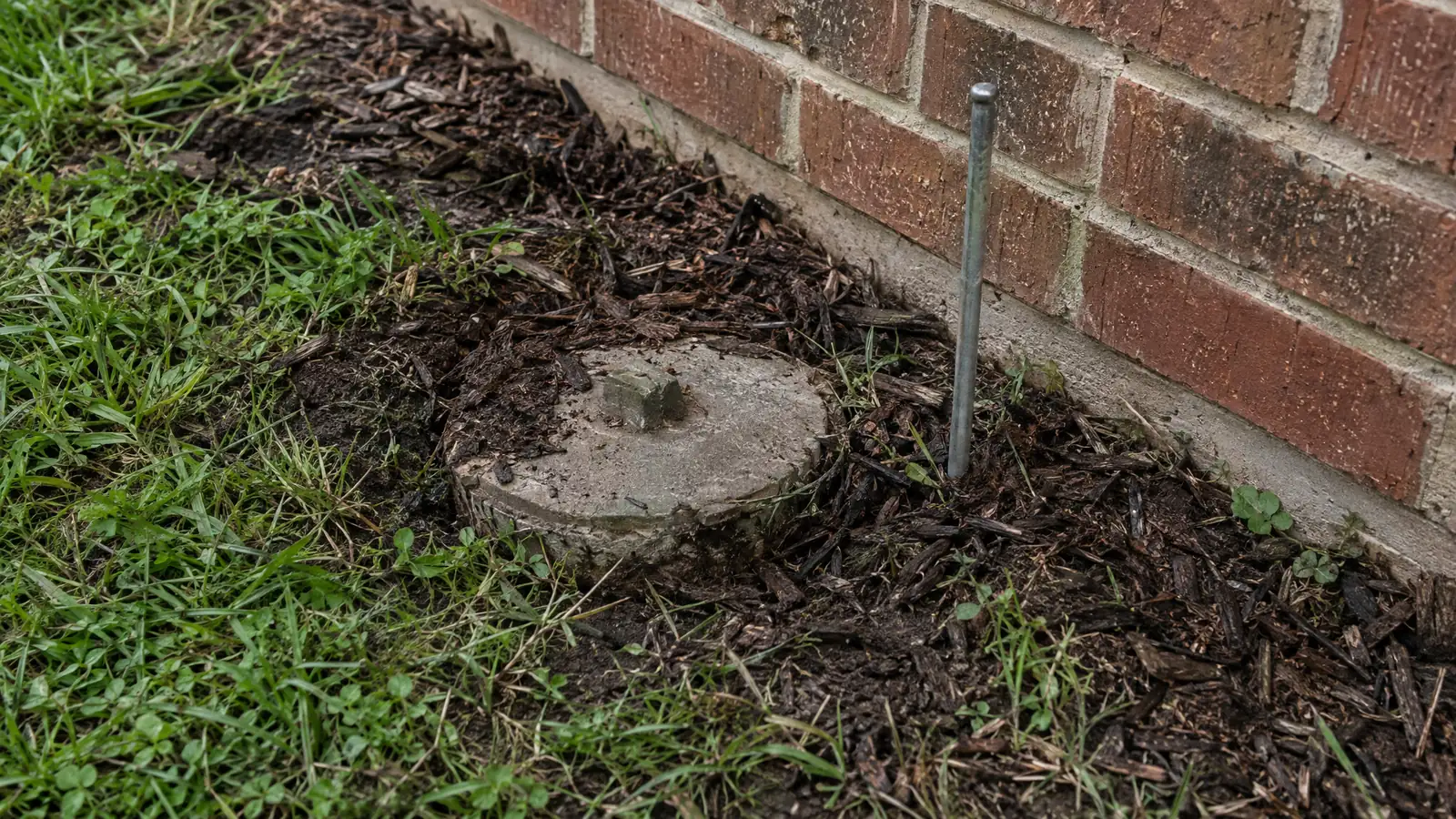
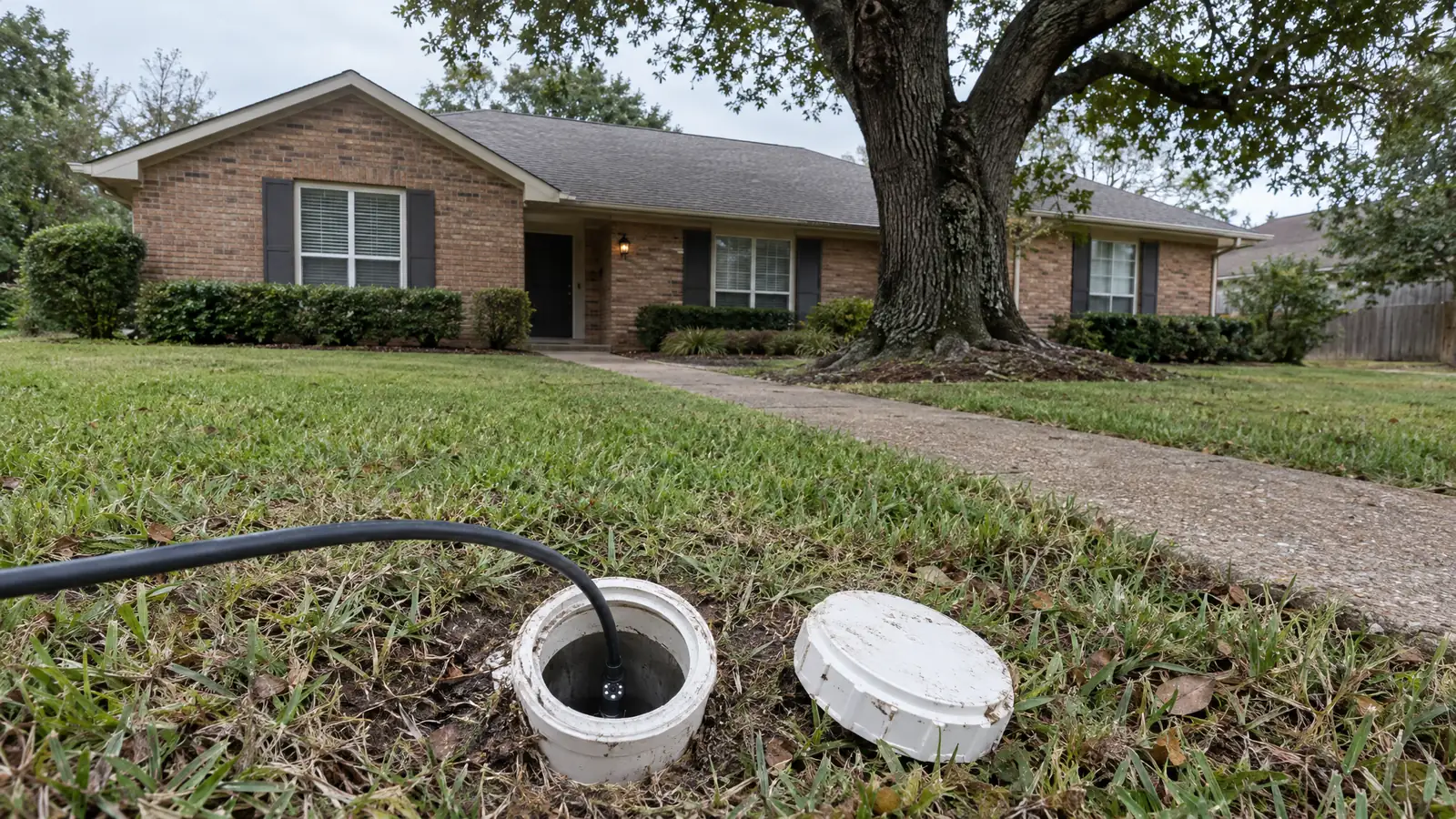
- The cleanout is usually the way in
- The camera runs while you watch the live feed
- Findings are noted with distance from the entry point
- You get the recording and a plain-language summary
Before the visit
Tell the inspector what is happening: slow drains, a backup, a purchase. Note when problems occur and locate your cleanout if you can. If you cannot find it, say so, because locating it is part of the job.
Keep water use light until the inspection, and if sewage is coming up, call right away rather than waiting for a scheduled slot.
Access and set-up
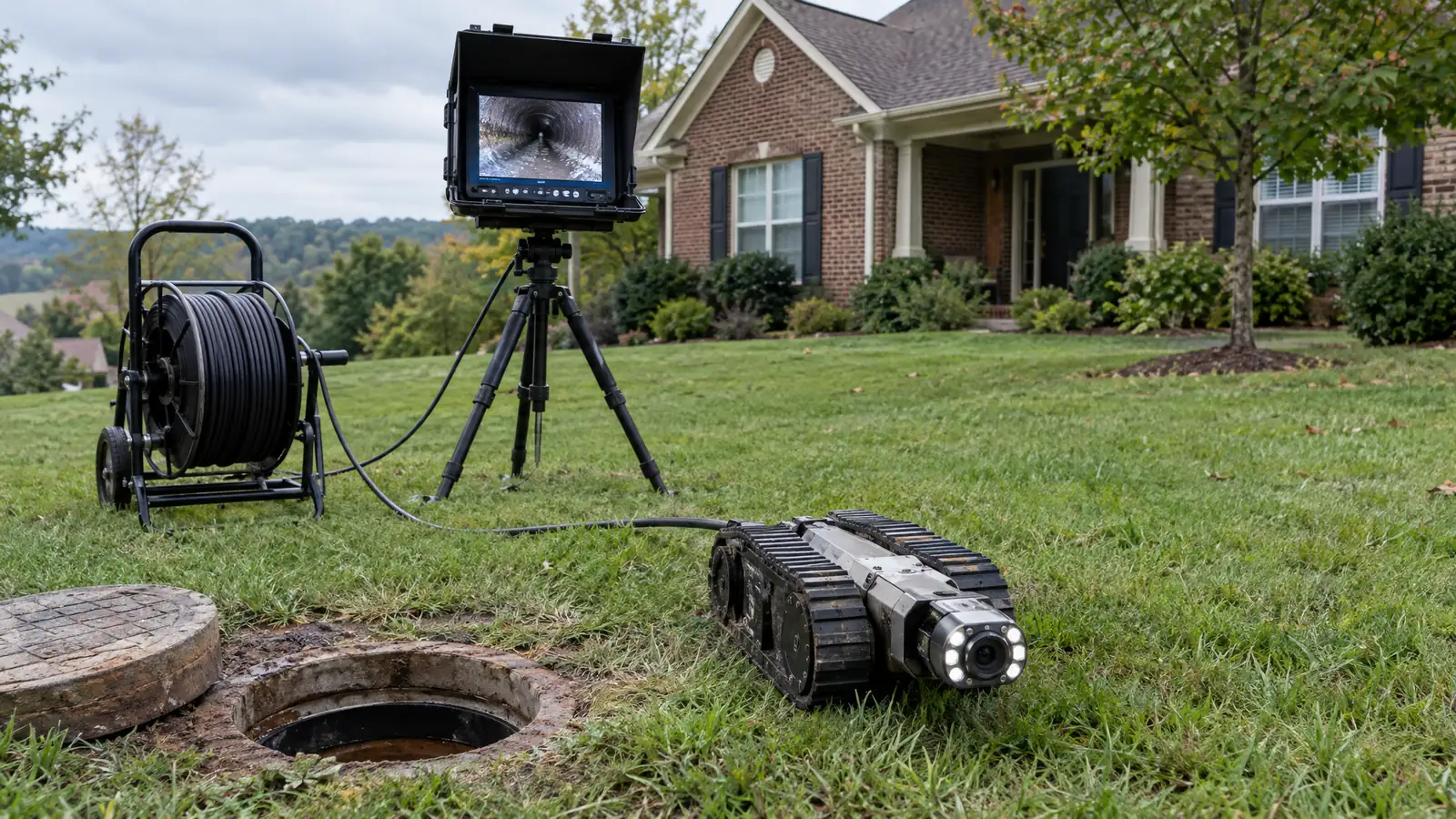
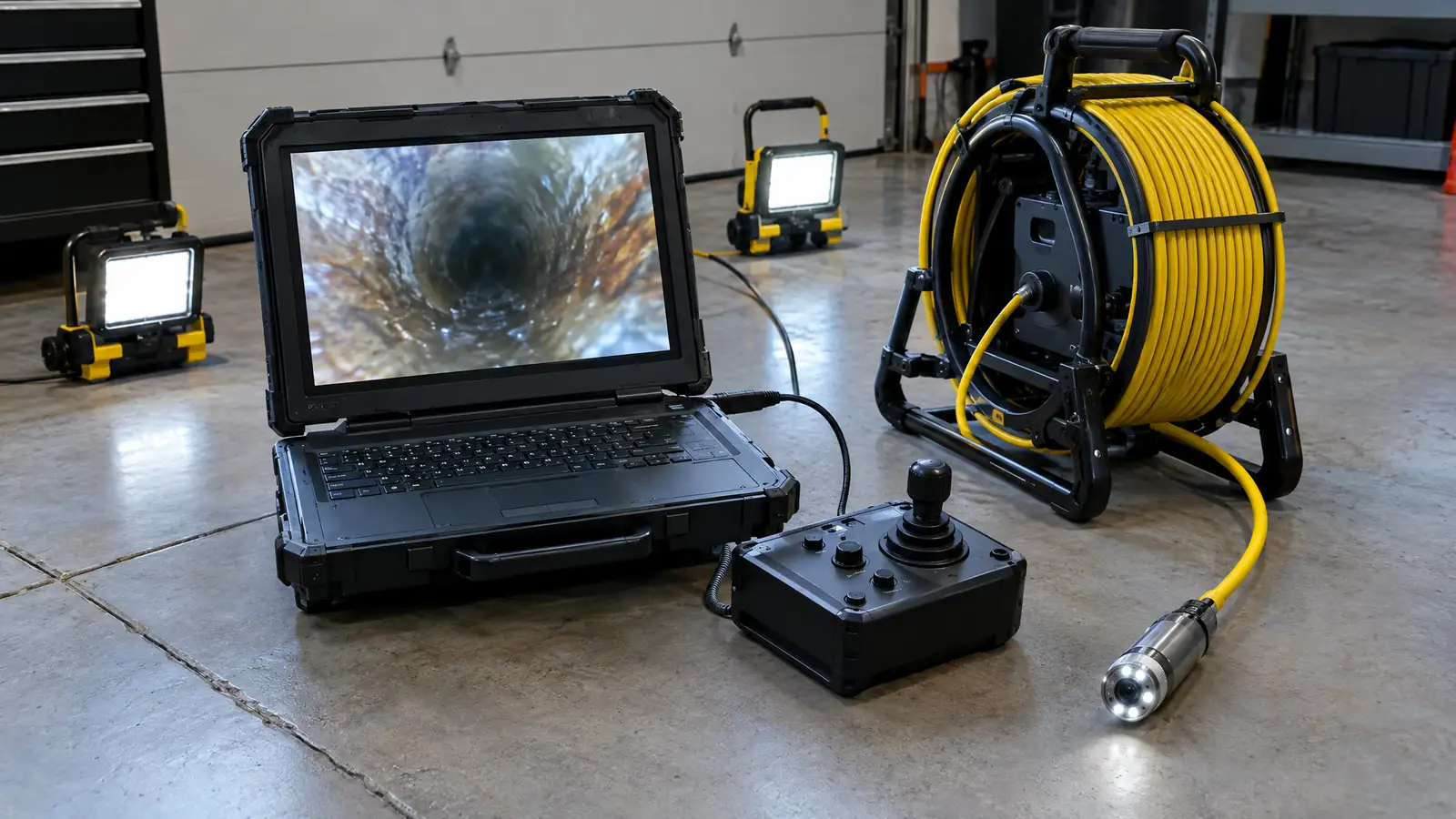
The inspector protects the area around the cleanout, removes the cap and sets up the cable reel and monitor. In homes without an outdoor cleanout, a roof vent, a floor drain or a removed toilet can serve as access.
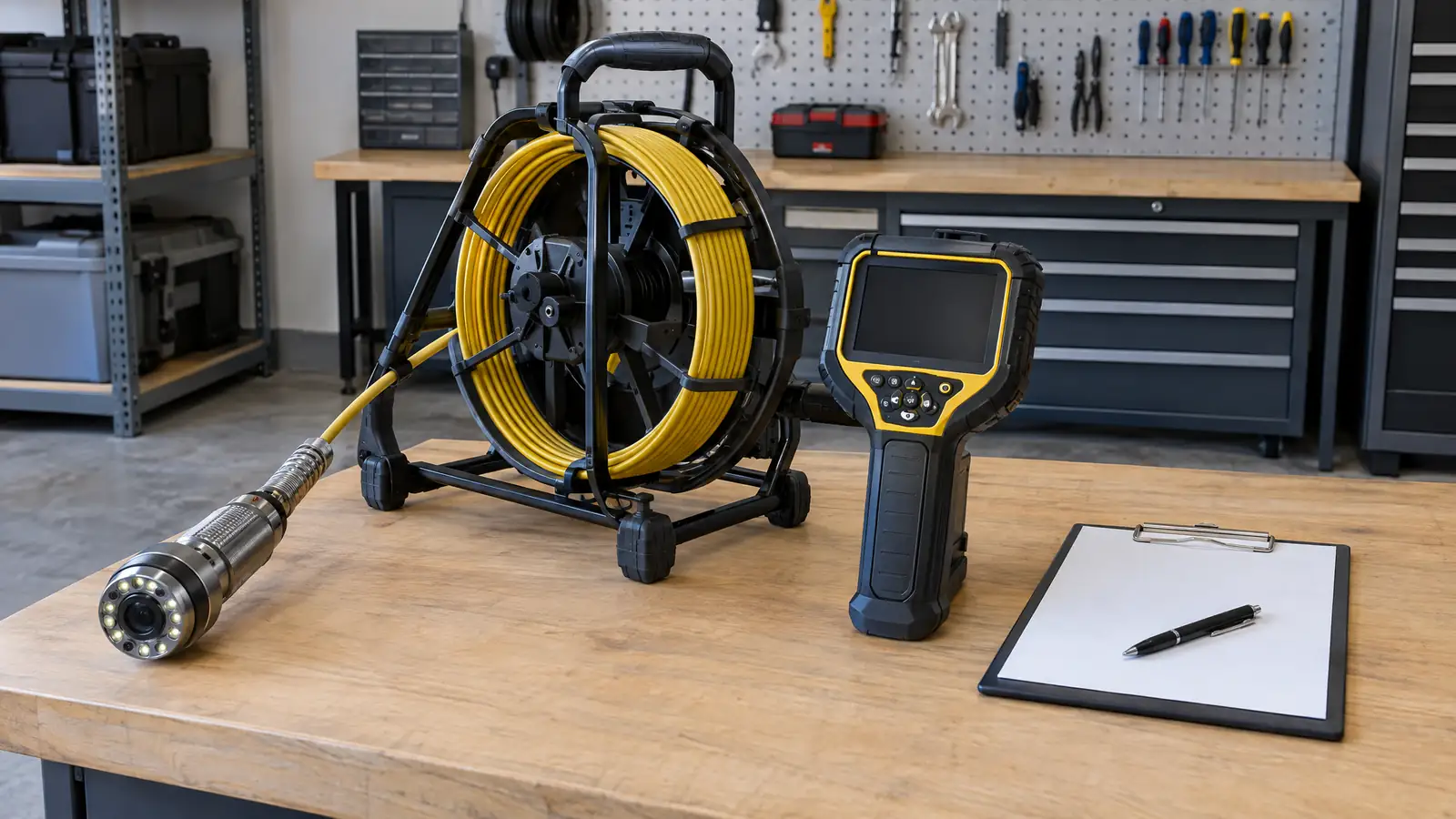
A small camera head is chosen to match the pipe: a compact push camera for smaller lines, or a crawler for larger and longer runs.
Running the camera
The camera advances through the line while the picture is recorded. The inspector stops at anything unusual, such as a joint that is offset, a root mass or a change in pipe material, and notes the distance on the counter.
You are welcome to watch. Seeing a problem live is the fastest way to understand it.
The results
At the end the inspector reviews what was seen. A good summary tells you what the pipe is, how much of it was inspected, each finding, how serious it is and what to do next.
You should leave with the video and a written summary you can share with a contractor, an agent or an insurer.
Quick answers
How long does it take?
Many residential inspections take about an hour on site. Long runs, tricky access or heavy debris take longer.
Do I need to be home?
Usually someone needs to provide access, and it helps to be there to see the live feed.
Want a professional look at your own pipe?
Schedule a camera inspection with the form below, or call (615) 952-0844.