Key takeaways
- Older clay, cast iron and Orangeburg need attention sooner
- Big trees near the line raise the risk of roots
- Newer plastic lines can go much longer
- Any recurring symptom is a reason to scope now
It depends on the pipe
Plastic pipe laid in the last few decades is the most forgiving. Clay and cast iron from the mid-century are the usual suspects for roots and corrosion, and Orangeburg is the one to watch most closely.
The older and more fragile the material, the more often it deserves a look.
Trees change the picture
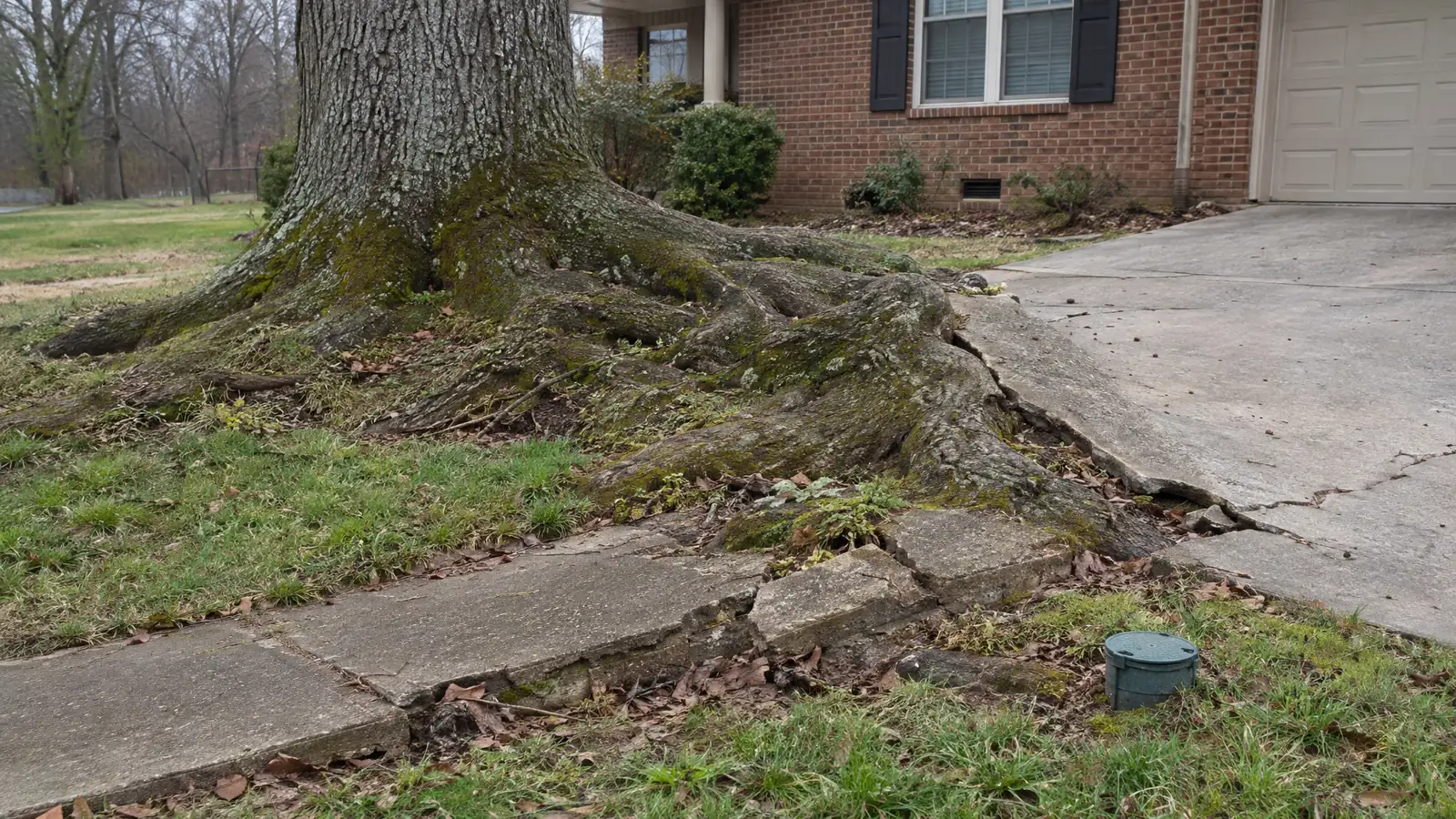
Large, thirsty trees such as maples, willows and oaks will find any gap in a joint. A line that runs under or near several big trees is a candidate for a scope every few years even if it has never given trouble.
Moving a tree is rarely the answer. Sealing the joint is.
A practical schedule
For an older line with big trees, a scope every one to three years is a sensible rhythm. For a mid-age line with few trees, every five years or at purchase and sale is reasonable. For new plastic lines, once in the first year, then when symptoms appear.
Commercial kitchens and multi-unit buildings usually belong on an annual schedule.
Do not wait for symptoms
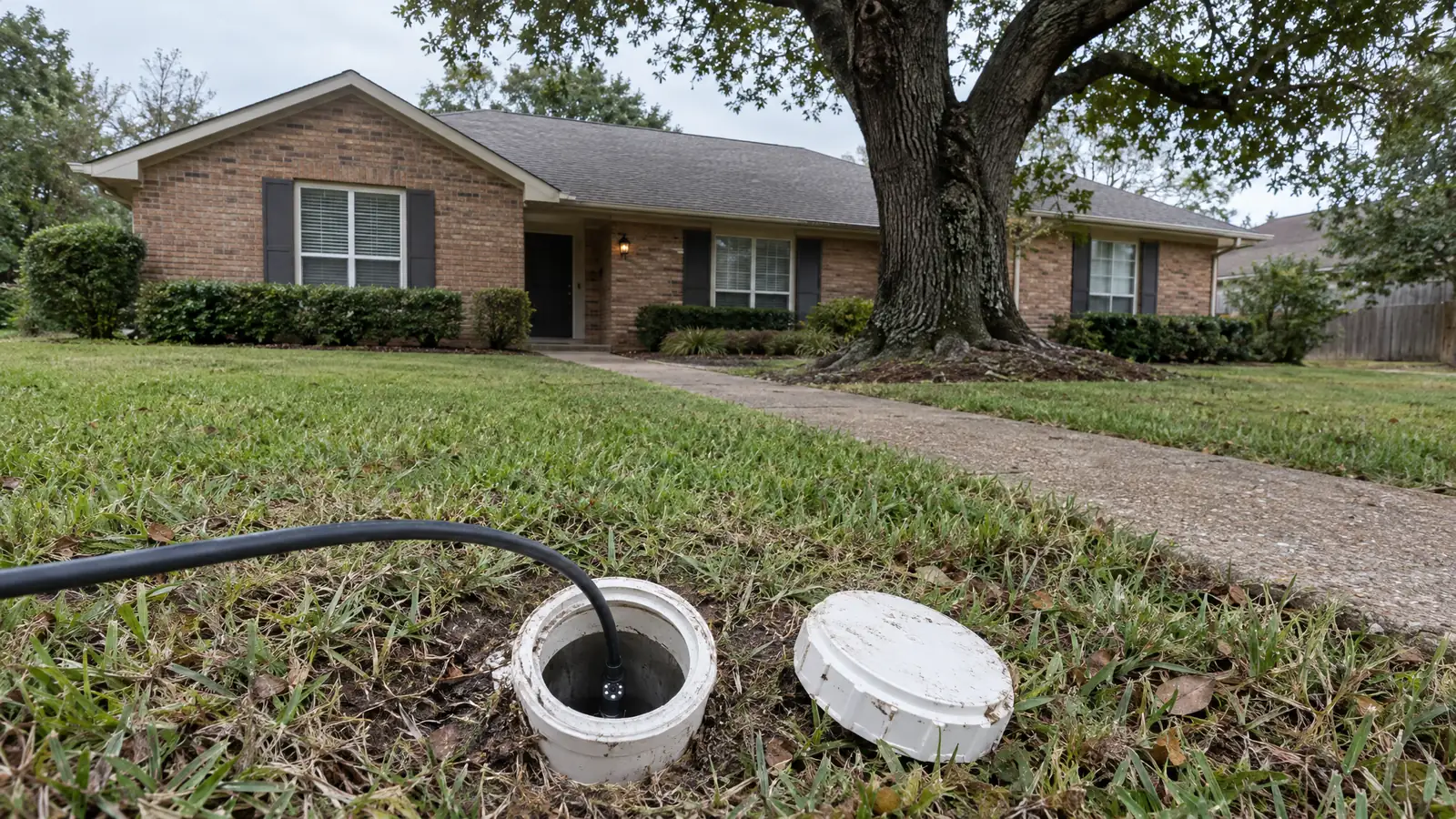
Repeated clogs, gurgling, slow drains in more than one fixture, a sewer smell or a wet spot in the yard are all signs to scope soon. A backup is a late sign.
A recorded baseline makes every later scope more useful, because you can compare.
Quick answers
I just bought the house. Should I scope now?
If the house is older, or the seller did not scope the line, yes. It gives you a baseline.
Is once a decade enough?
For new plastic lines with few trees it can be. For older lines it usually is not.
Want a professional look at your own pipe?
Schedule a camera inspection with the form below, or call (615) 952-0844.