
Key takeaways
- Many homes from the 1950s to 1970s have clay, cast iron or Orangeburg lines
- Clay soil shifts with wet and dry seasons
- Mature trees are everywhere and so are roots
- Fast-growing suburbs have newer plastic lines with installation risks
The housing stock
Middle Tennessee has a mix: historic homes in Franklin, Columbia and Nashville’s older neighborhoods, post-war brick ranches across Madison, Donelson and Antioch, and big waves of new subdivisions in Spring Hill, Mt. Juliet, Nolensville and Murfreesboro.
Each era used different pipe, and each fails in different ways.
Soil and rock
Red clay swells when wet and shrinks when dry, which moves pipes and opens joints. Limestone close to the surface can make trenching hard and leaves lines on uneven beds in some places.
In both cases, bellies and offsets are common in the older lines.
Trees
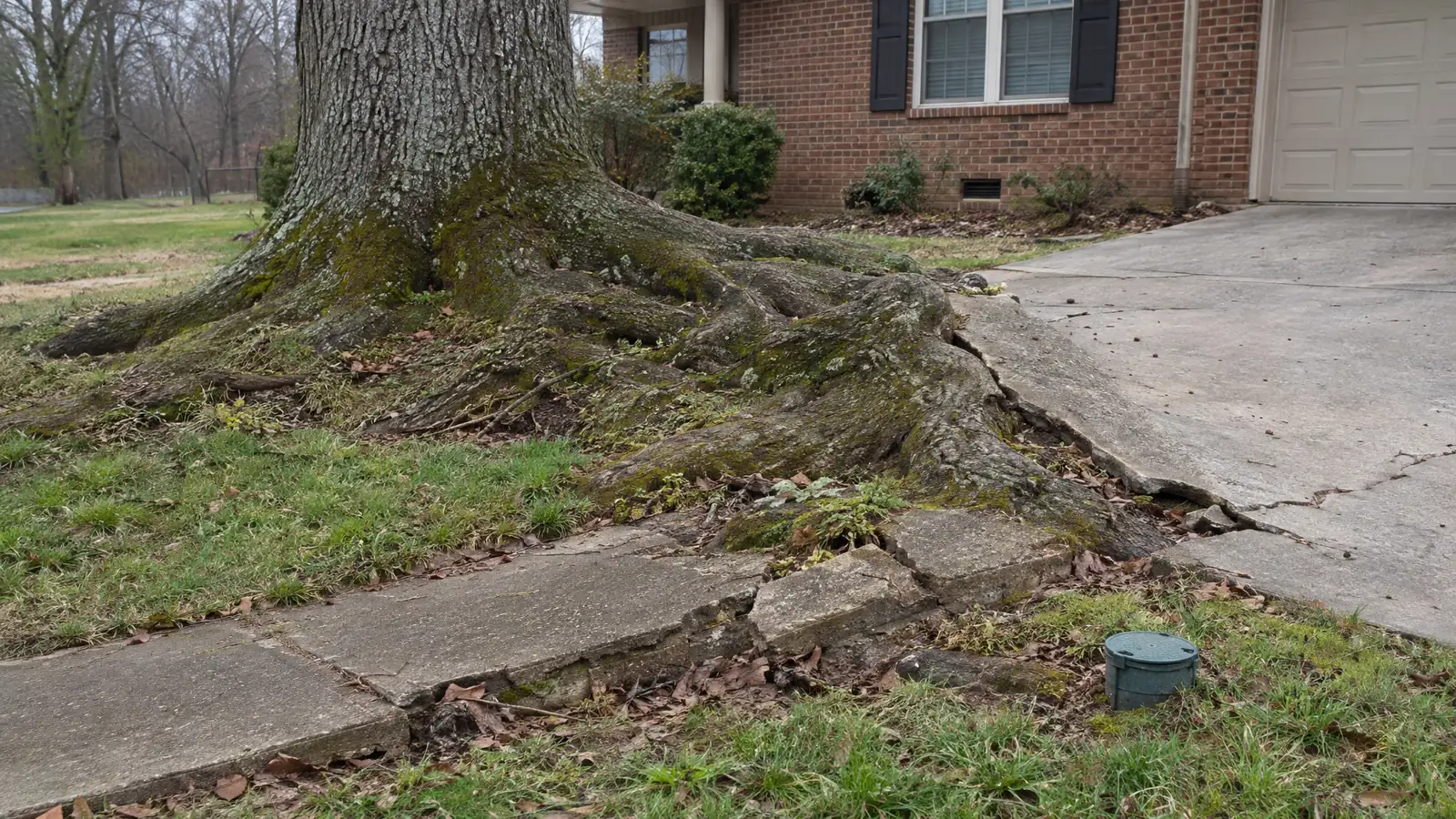
The region’s tree canopy is one of its charms and one of its sewer risks. Roots find the tiny seepage at old joints and enlarge it year after year.
Older neighborhoods with big oaks, maples and willows are prime territory for root intrusion.
New and old, side by side
New subdivisions have PVC laterals that are strong when installed well, but fast construction produces bellies and debris. Older neighborhoods have more material variety and more time-worn defects.
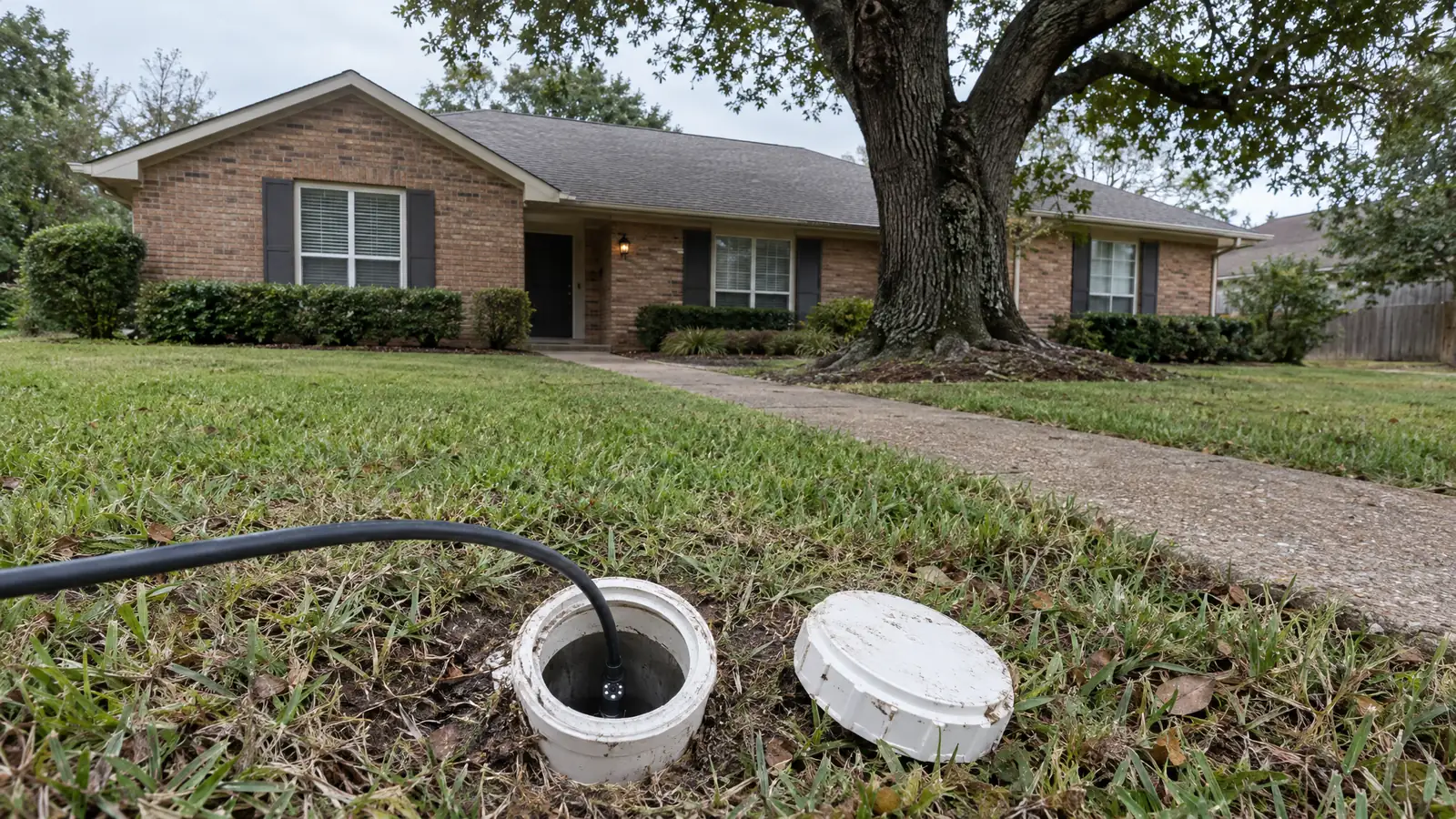
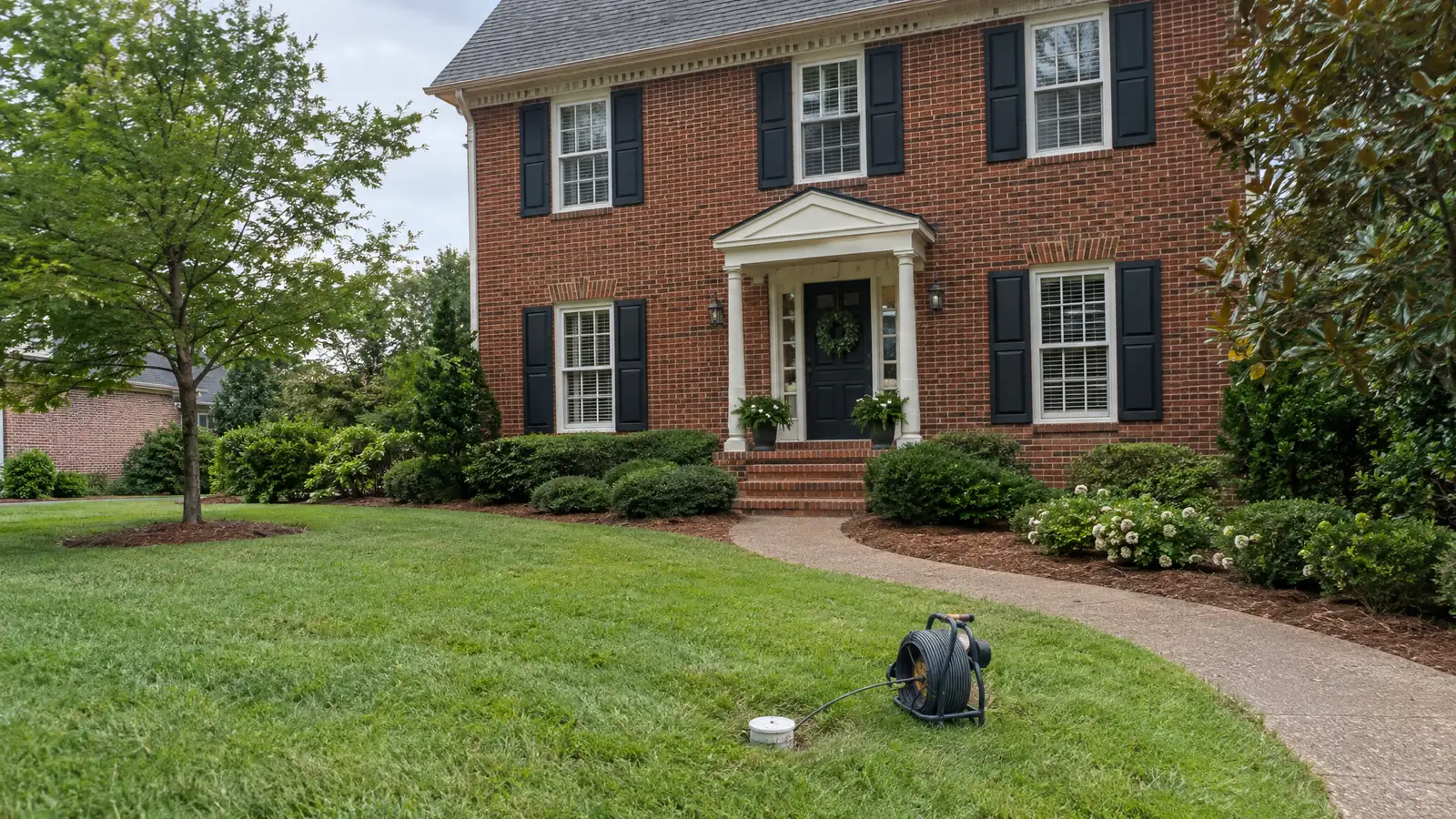
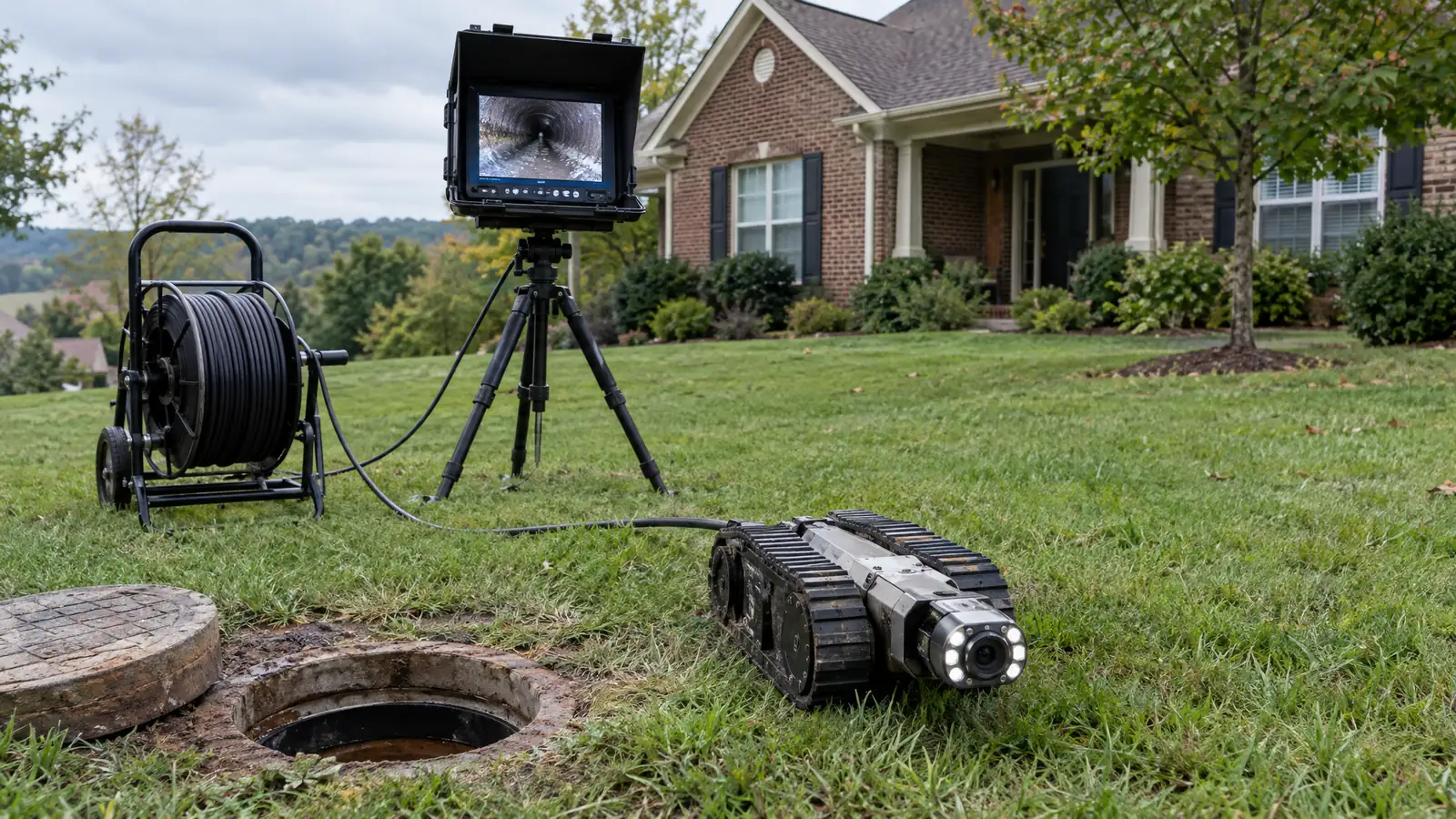
A camera is the great equalizer: it tells you what is in the ground at your address, whatever the neighborhood’s reputation.
Quick answers
Is my sewer my responsibility?
The private lateral to the public main is usually the owner’s. Ask your sewer utility where responsibility changes.
Do you cover my town?
We serve Nashville and communities across Middle Tennessee, with a page for each on our service areas list.
Want a professional look at your own pipe?
Schedule a camera inspection with the form below, or call (615) 952-0844.