Key takeaways
- Push cameras suit small pipes and tight bends
- Crawlers suit longer, larger runs and standing water
- Both record video with distance tracking
- A good inspector chooses the tool that fits the line
The push camera
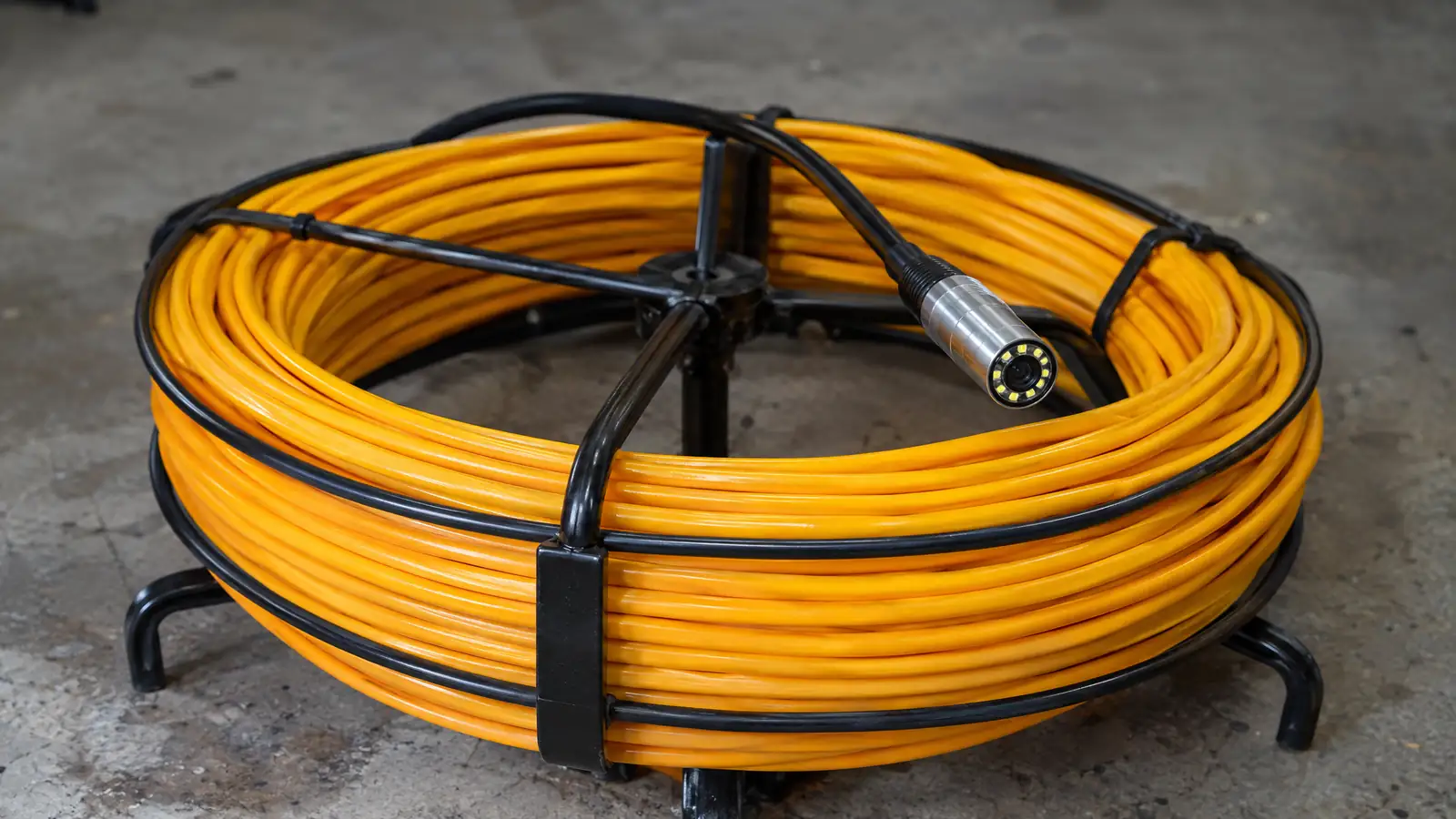
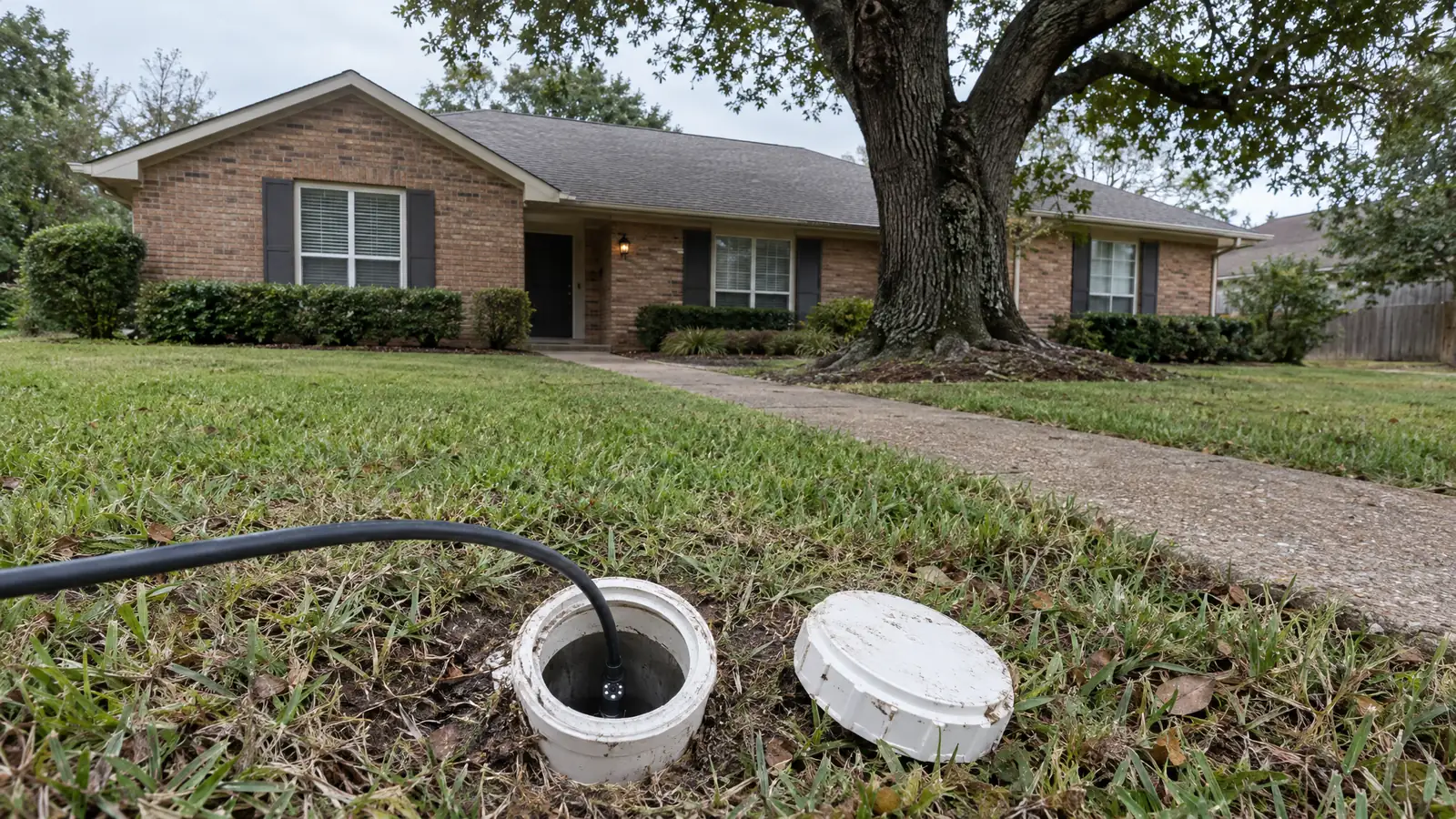
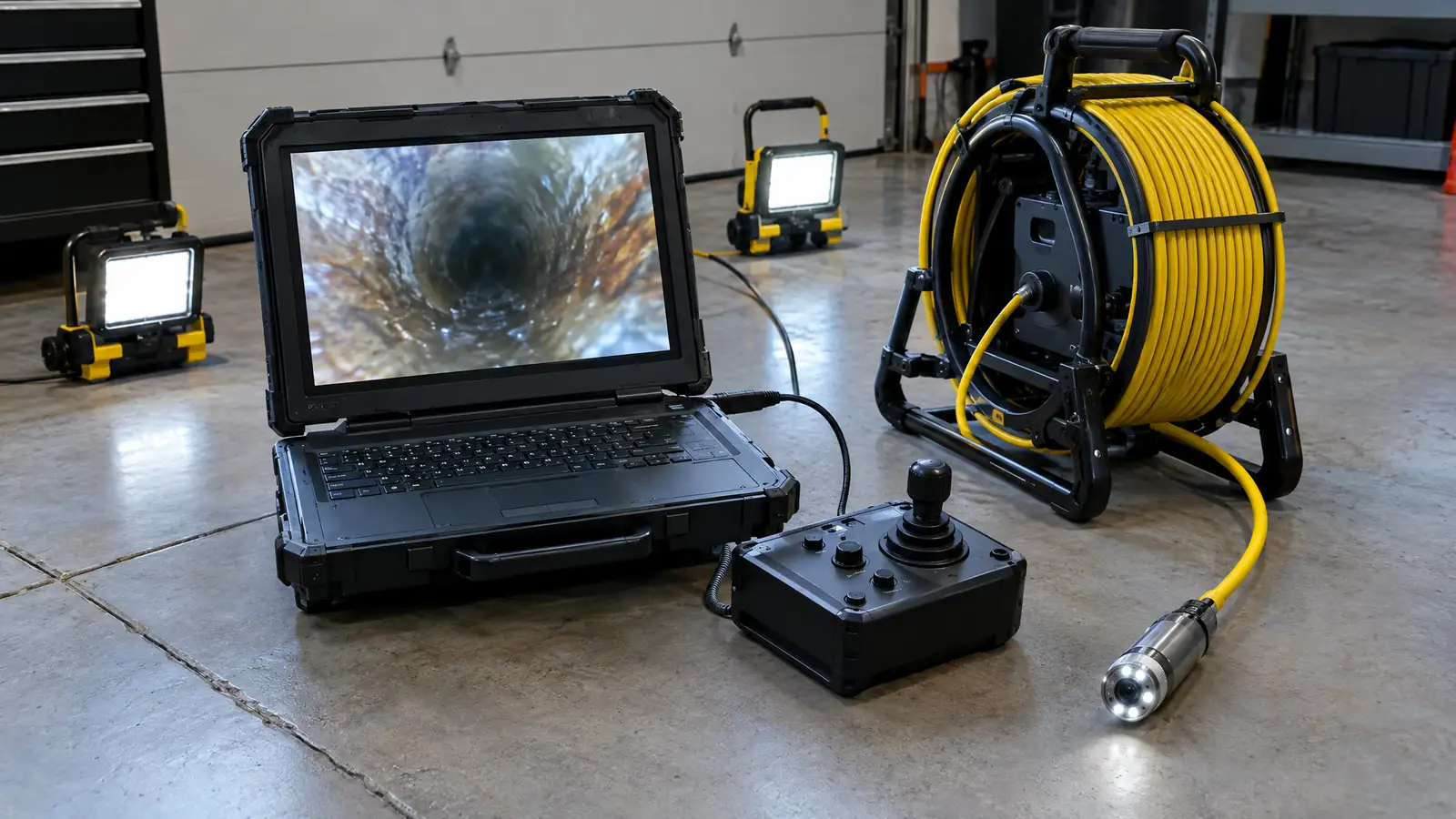
A push camera is a camera head on a stiff but flexible rod wound on a reel. It slides into 2 to 4 inch lines, bends around tight corners and is quick to set up.
Its limit is distance and friction: the farther it goes and the more bends it passes, the harder it is to push.
The crawler
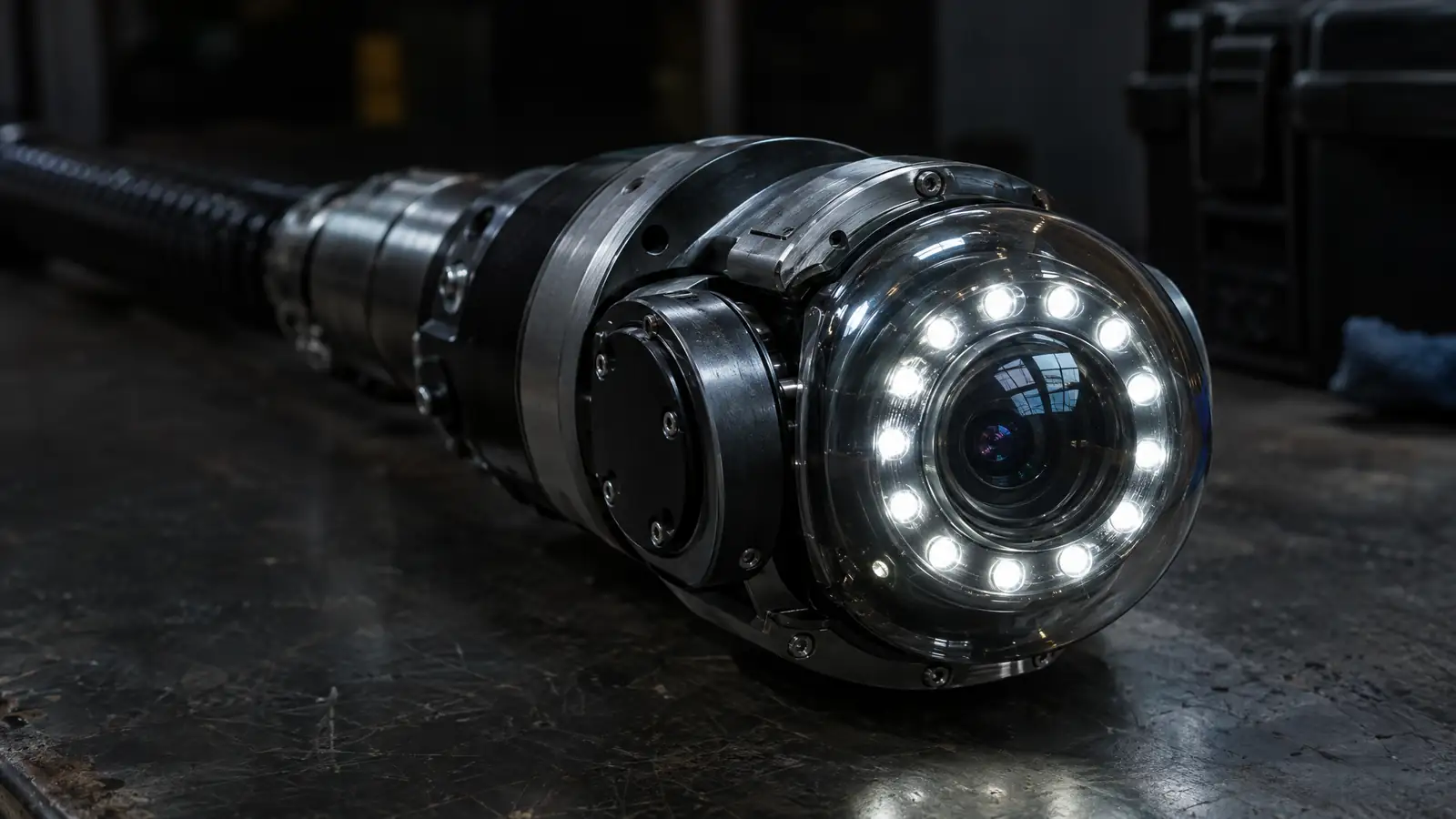
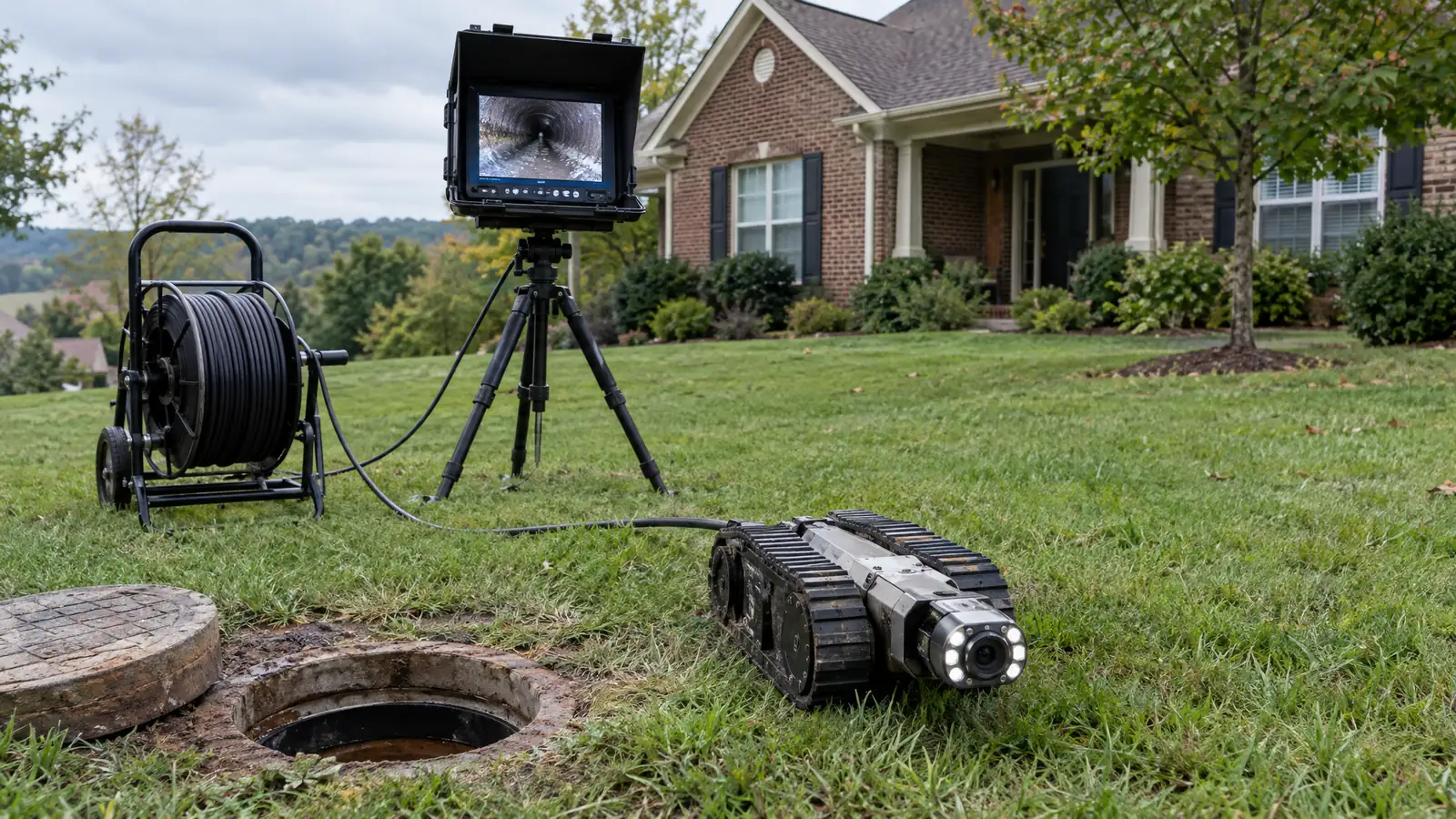
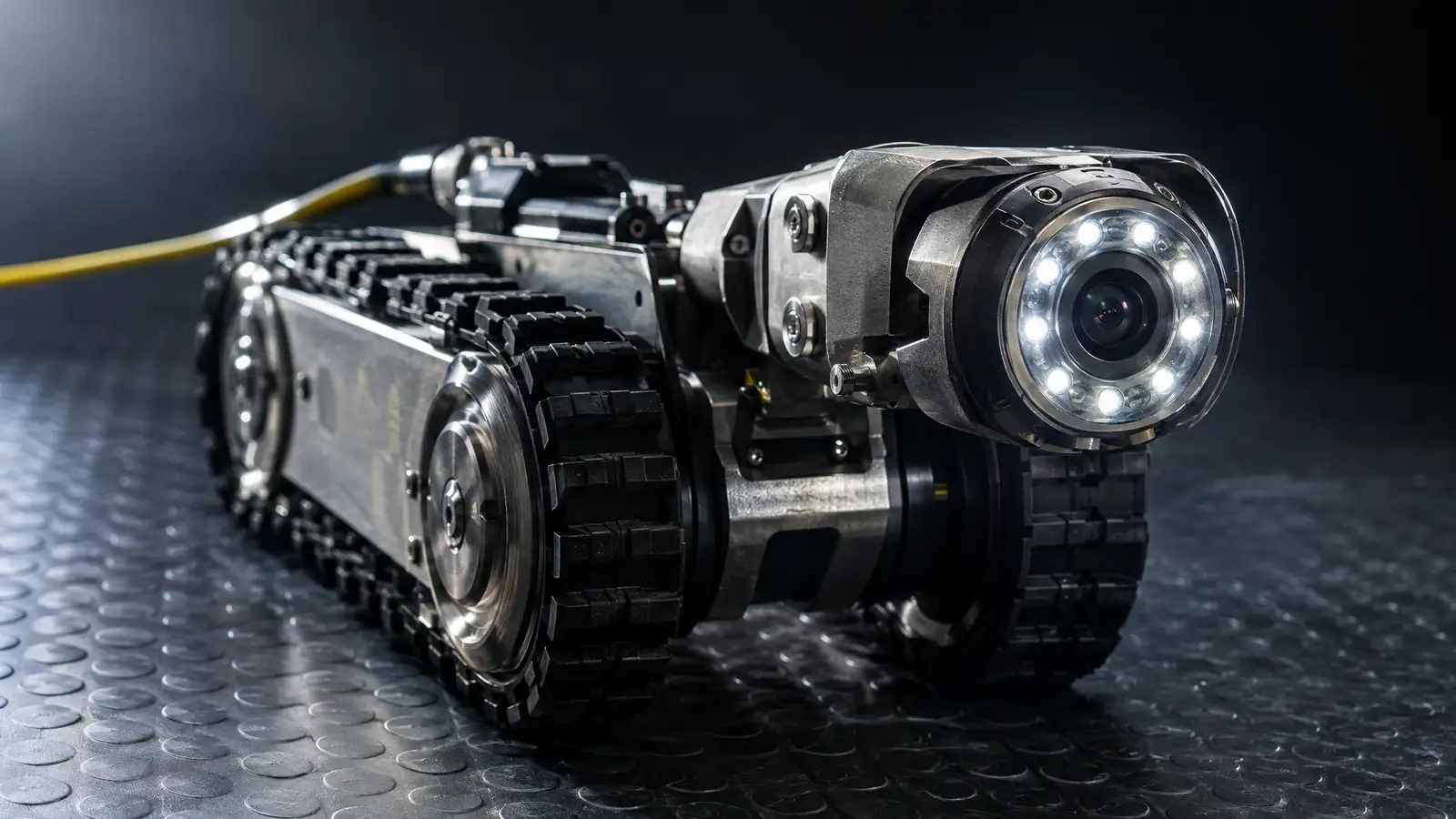
A crawler is a small tracked vehicle that carries the camera and pulls its own cable. It drives the pipe rather than being pushed, so it can go much farther, handle light flow and hold the picture steady with a self-leveling head.
Crawlers are bigger, so they suit 6 inch and larger lines and need a reasonably straight, open cleanout.
How an inspector decides
Pipe diameter, line length, number of bends, access shape and what the problem is all matter. A 150-foot run from house to street with standing water points to a crawler. A kitchen branch with three tight turns points to a push camera.
Sometimes both are used: a crawler for the main and a push camera for the branches.
What to ask
You do not need to pick the tool, but it is fair to ask what will be used and why. If an inspector says the camera cannot go farther, ask whether a different camera would reach.
The Reach Planner on this site gives a quick idea of which camera fits your line.
Quick answers
Is a crawler always better?
No. For small lines and bends a push camera is the better tool.
Does the type of camera change the video quality?
Not much. Both give clear, lit pictures. The difference is reach and steadiness.
Want a professional look at your own pipe?
Schedule a camera inspection with the form below, or call (615) 952-0844.