Key takeaways
- A dry trap is the most common smell cause
- Backups mean the line behind the drain is blocked or overloaded
- Heavy rain can overload some systems
- A camera shows what is behind the drain
Smells
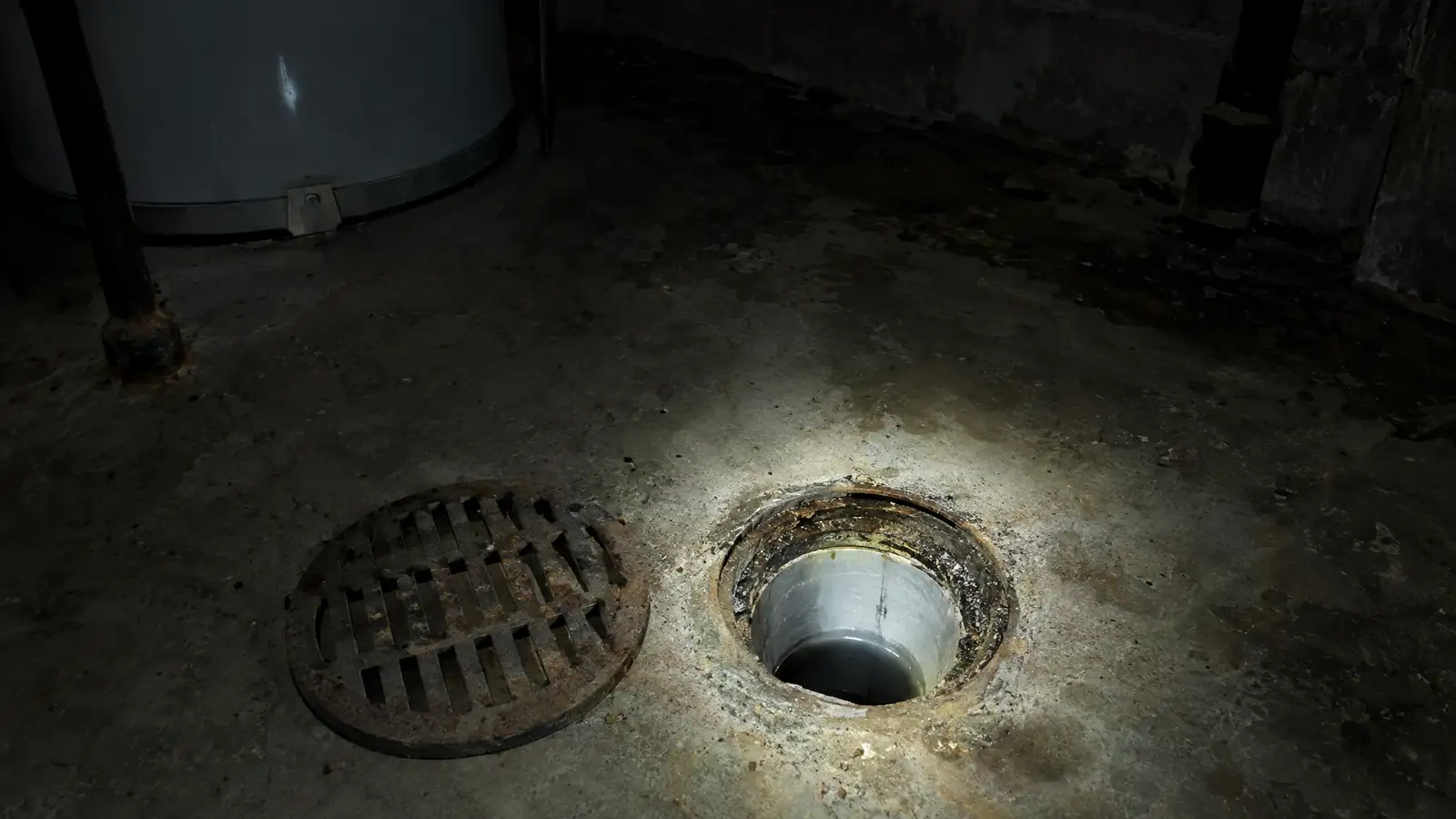
A floor drain has a trap that holds a plug of water to block sewer gas. In a rarely used drain, the water evaporates and the gas gets through. The cure is to refill it, and some drains need regular water or a trap primer.
If the smell returns right away, the trap or pipe may be cracked.
Backups
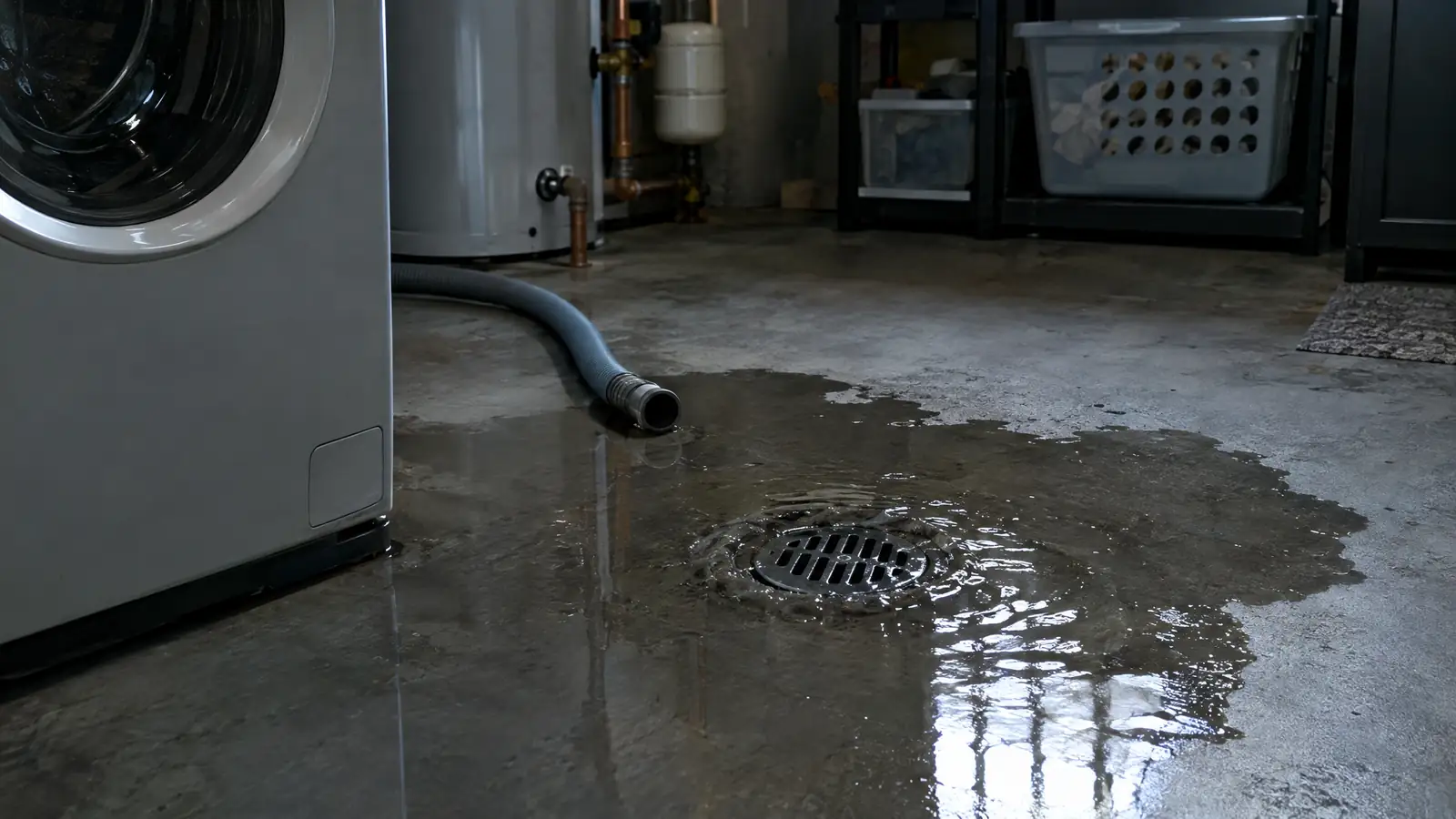
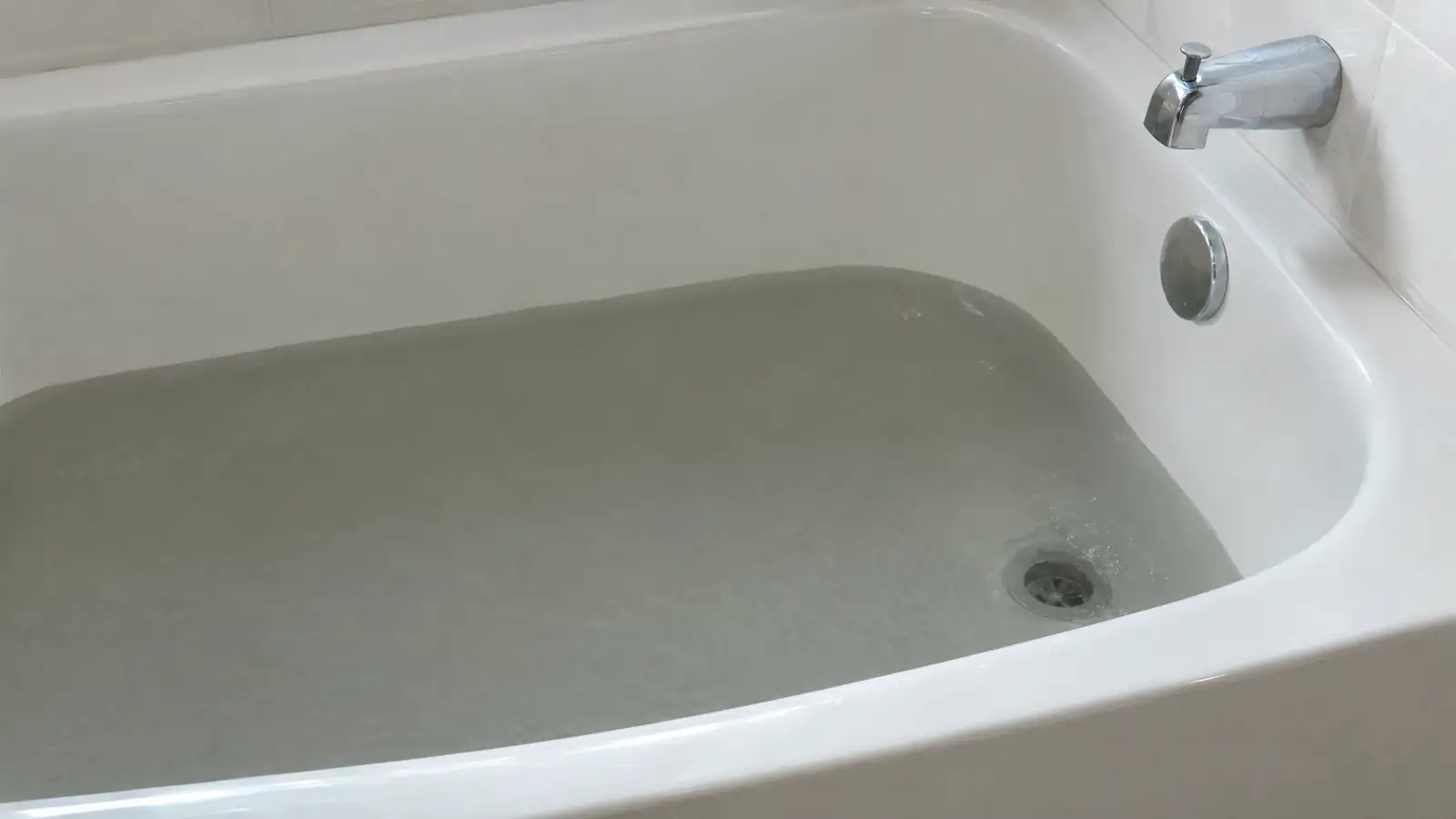
If water rises from a floor drain, the line behind it is blocked or the system downstream cannot take the flow. In a storm, overloaded systems can push water back through the lowest openings.
A one-time storm backup and a repeat backup have different fixes.
What is behind the drain
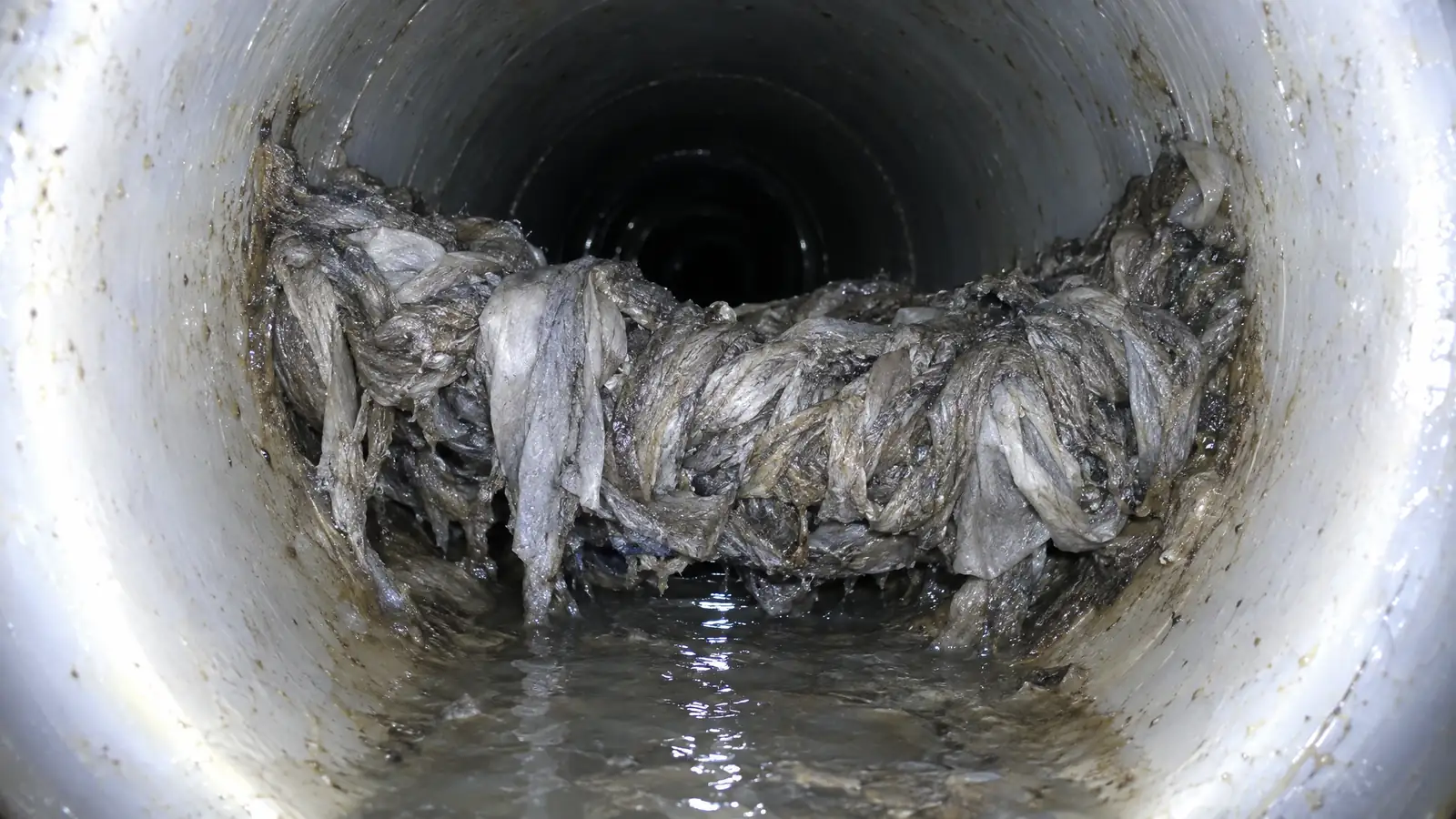
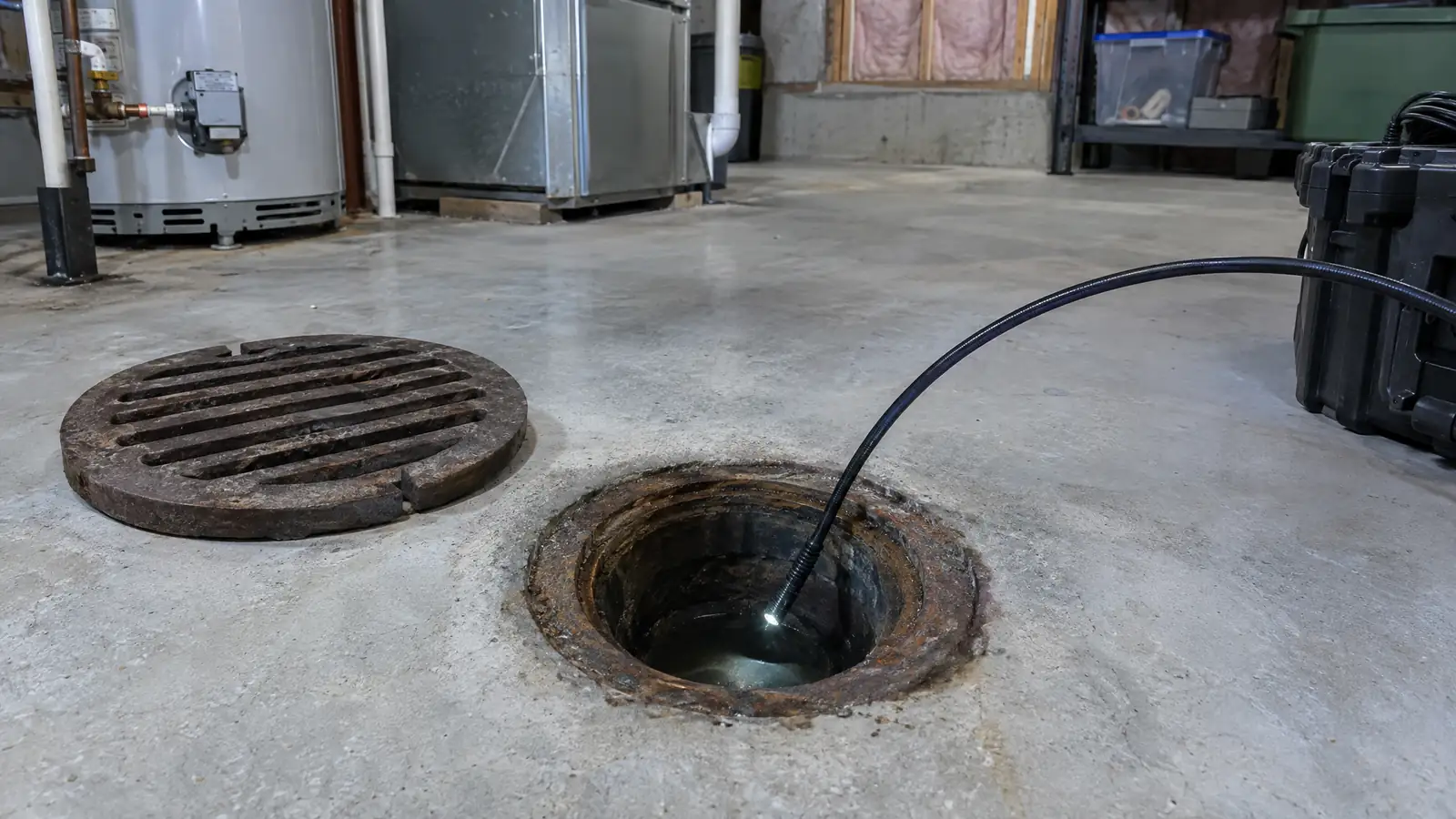
A floor drain connects to your house sewer or to a separate drain. Debris, roots and a cracked pipe can sit behind it where you cannot see.
A small camera down the drain shows the trap, the pipe and the junction.
Prevention
Keep the trap filled, keep the grate clear, and keep things off the floor that can be sucked in. If the drain backs up, do not use the basement until you know why.
An inspection before the next storm is cheaper than a flood.
Quick answers
How often should I pour water in the trap?
Every month or two for rarely used drains, or install a trap primer.
Is a floor drain the same as a sump?
No. A sump pit and pump remove groundwater. A floor drain connects to the sewer or another drain.
Want a professional look at your own pipe?
Schedule a camera inspection with the form below, or call (615) 952-0844.