Key takeaways
- Repeat clogs have a cause beyond what you flushed
- Common causes: roots, bellies, scale, grease, wipes and broken pipe
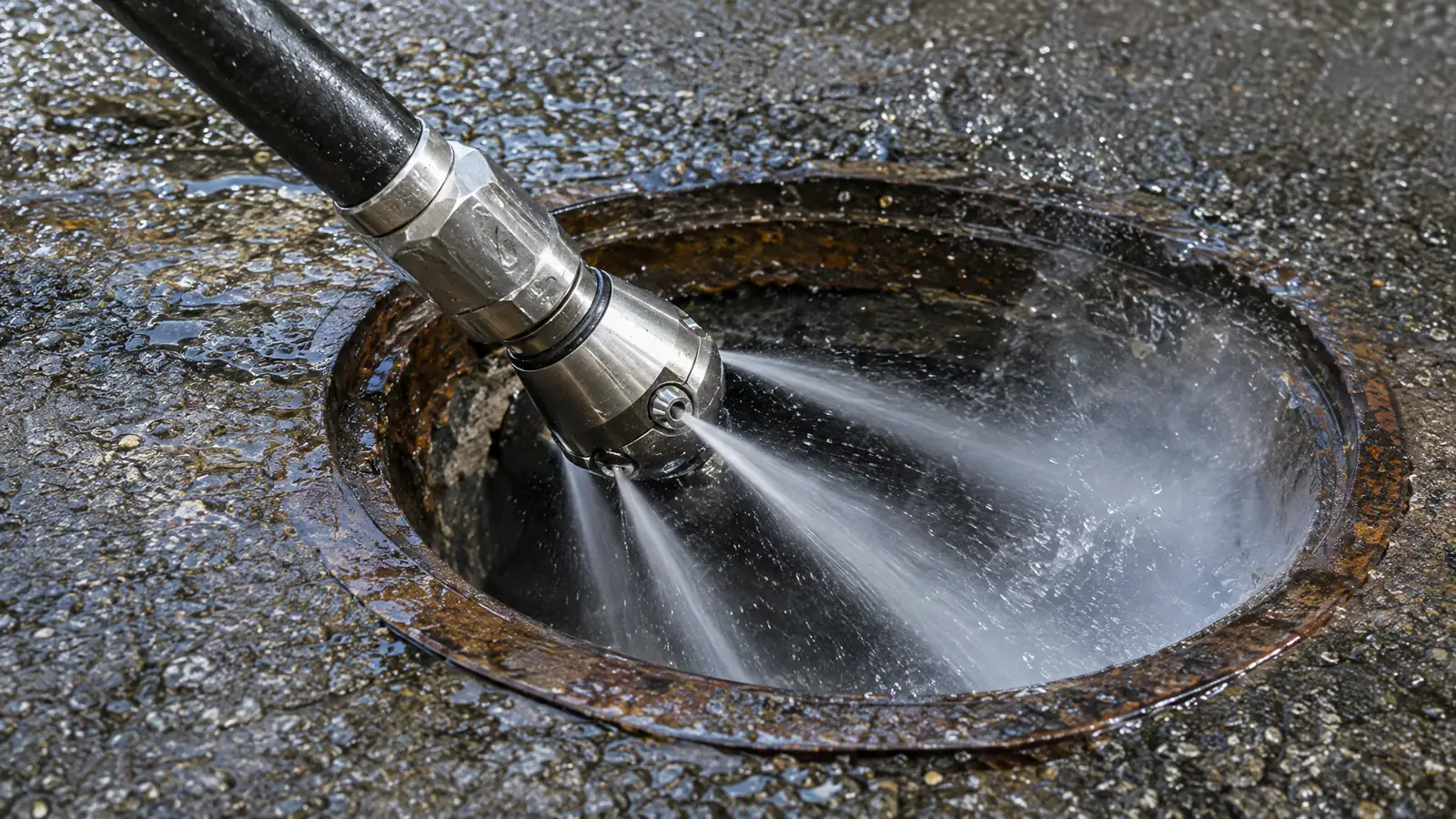
- Snaking removes the clog, not the cause
- A camera shows which one you have
Roots
Tree roots in a joint catch paper and waste and build a net that slowly closes the pipe. Cutting them helps until they regrow.
Signs: slow drains that improve after cleaning and return in months.
A belly
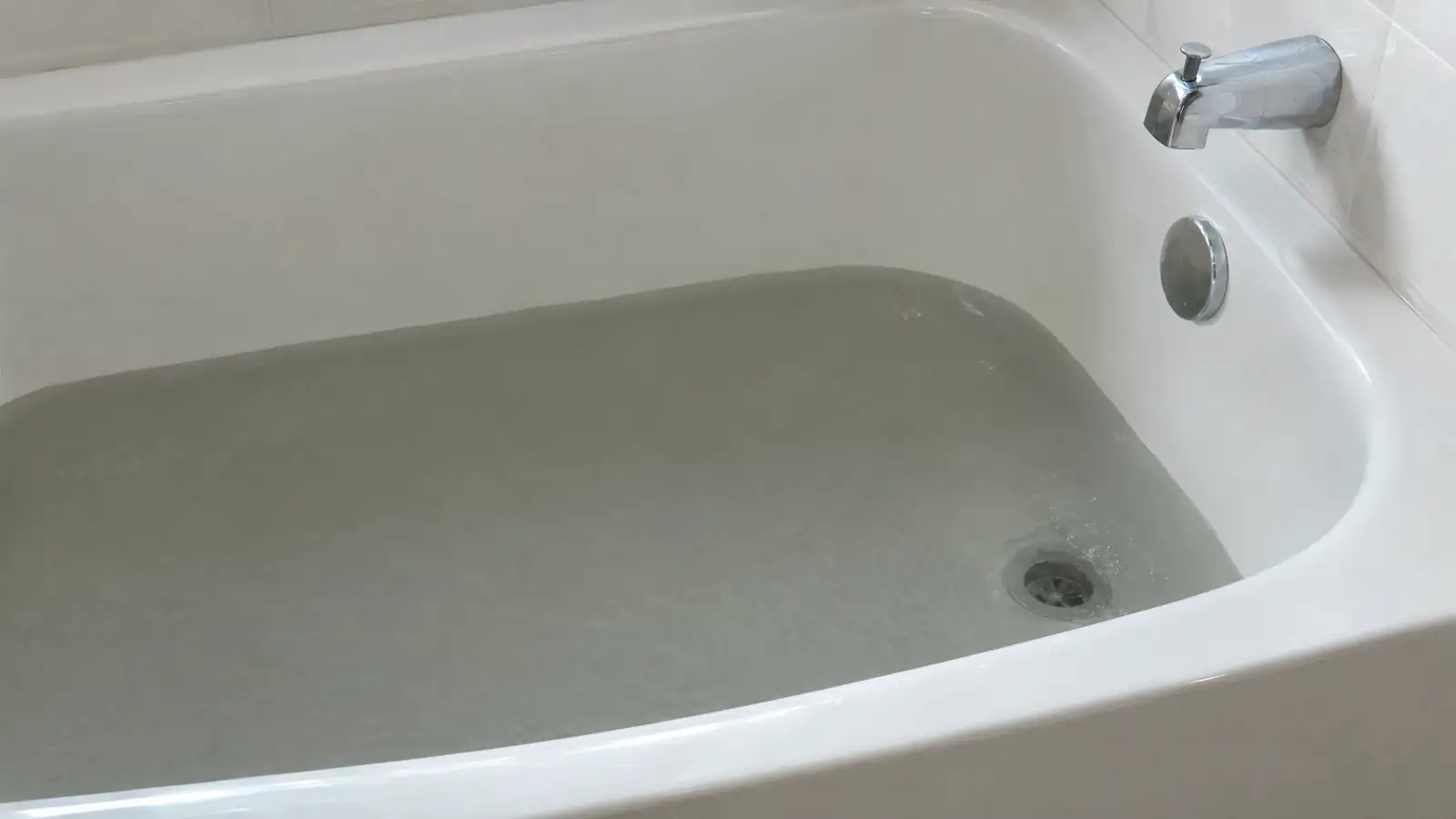
A low spot holds water, and solids settle in it. Each flush adds to the pile until it blocks again.
Signs: the same clog in the same line, standing water in the cleanout.
Scale and grease
In cast iron, rough scale grabs everything. In kitchen lines, grease coats the wall and shrinks the opening. Both leave a narrow channel that clogs with the smallest object.
Signs: clogs after cleaning, greasy smell, slow flow everywhere on that line.
Wipes and broken pipe
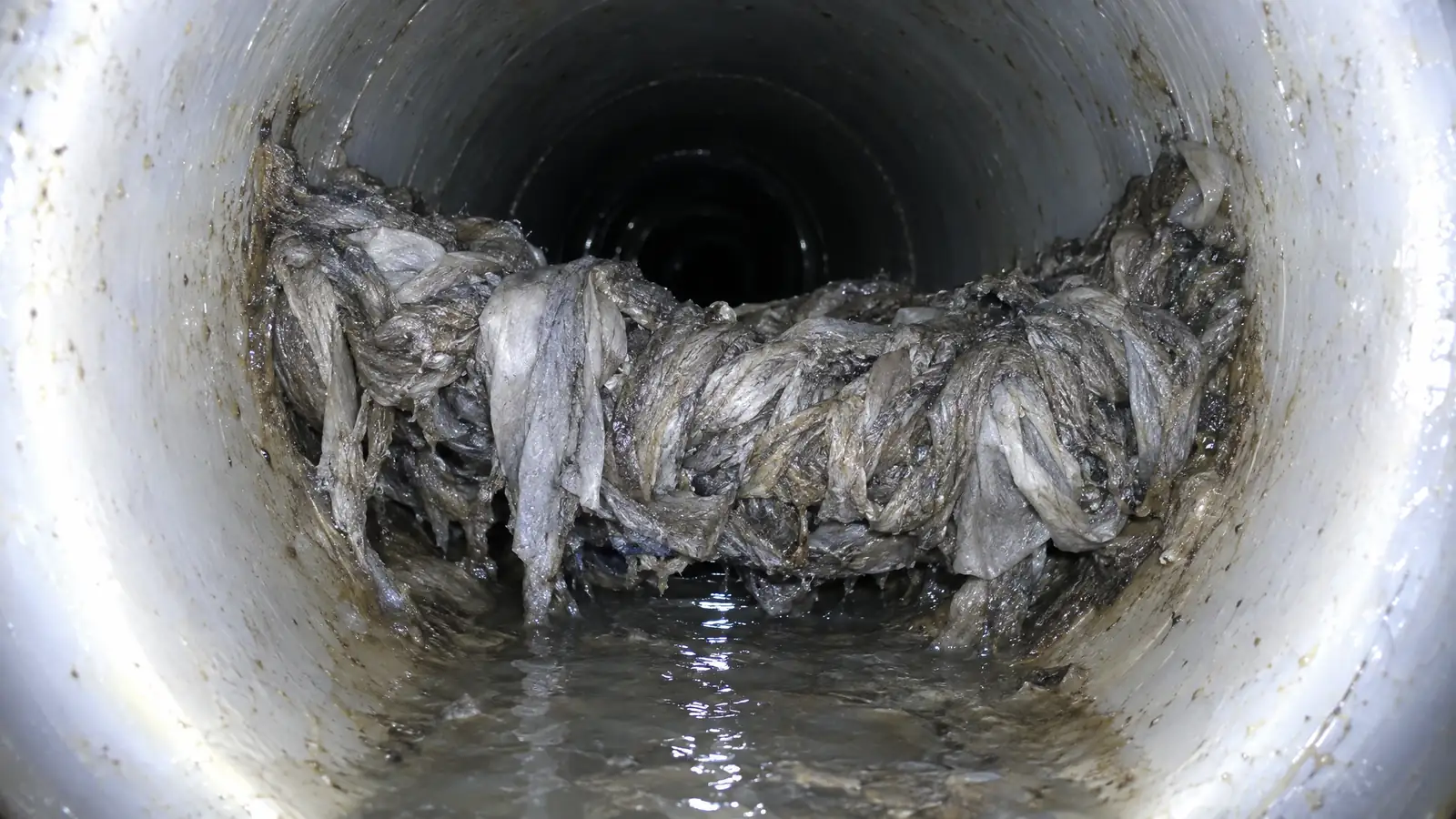
Wipes labeled flushable often do not break down and tangle into ropes. A cracked or offset pipe snags debris at the defect.
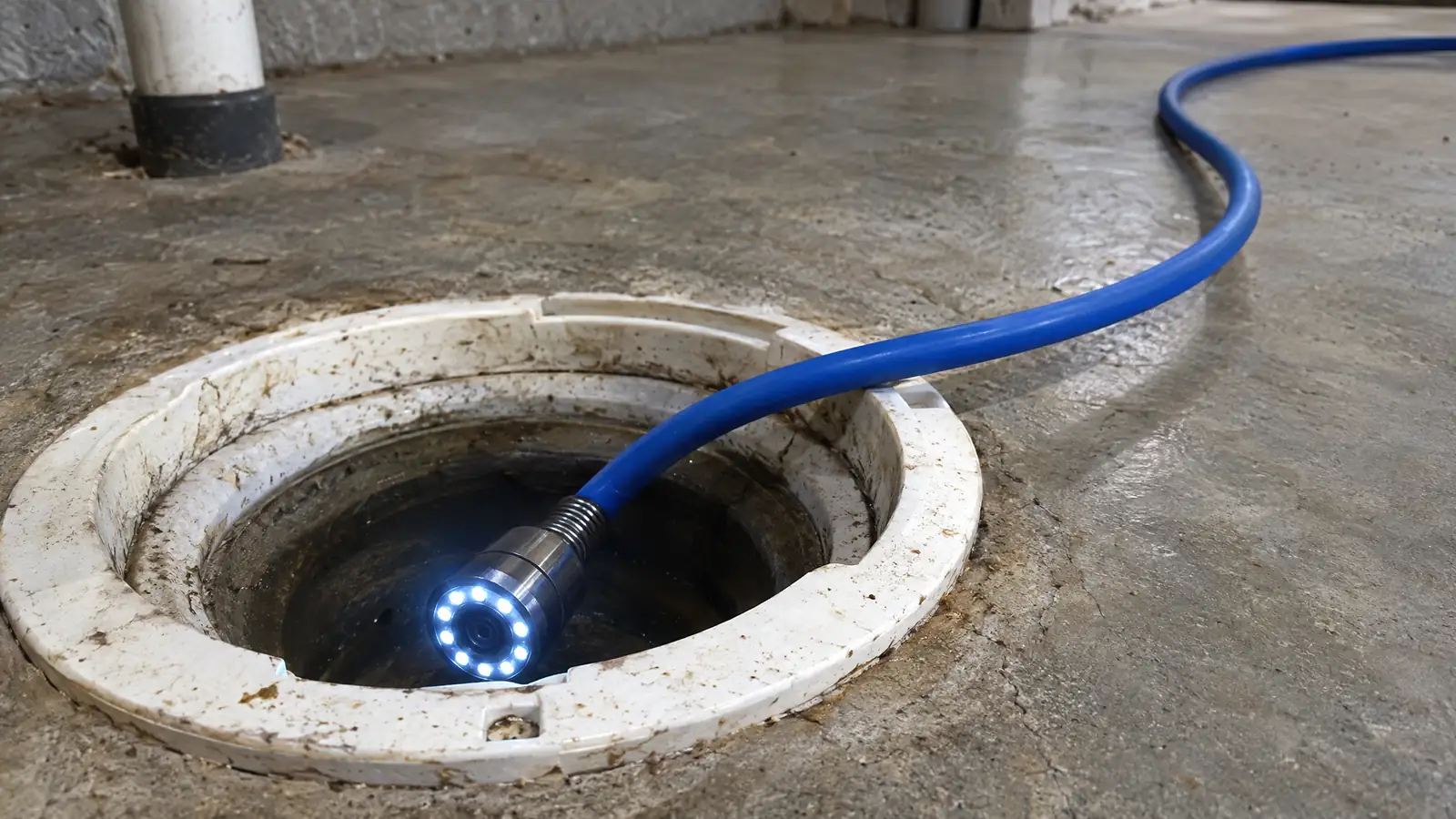
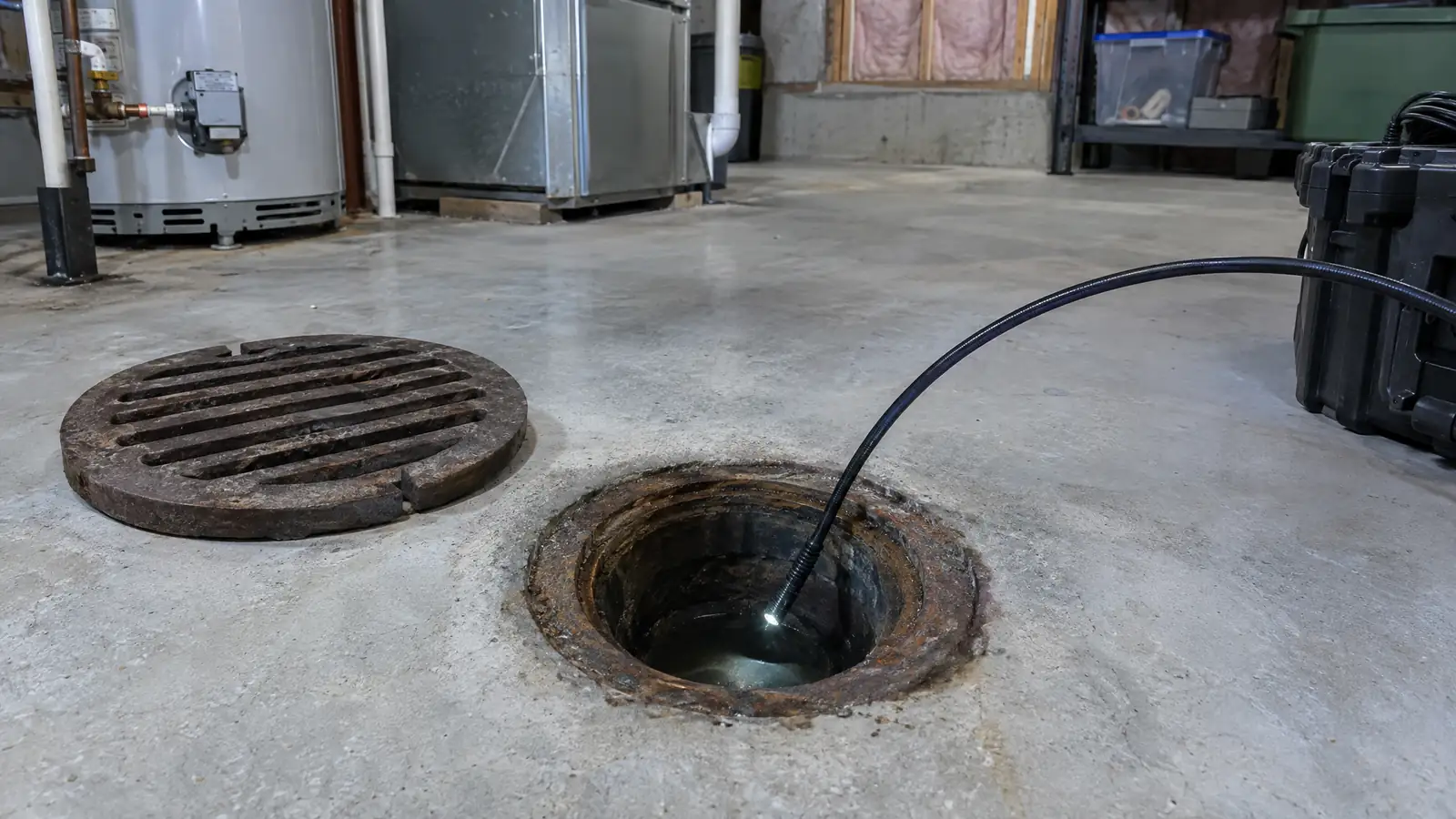
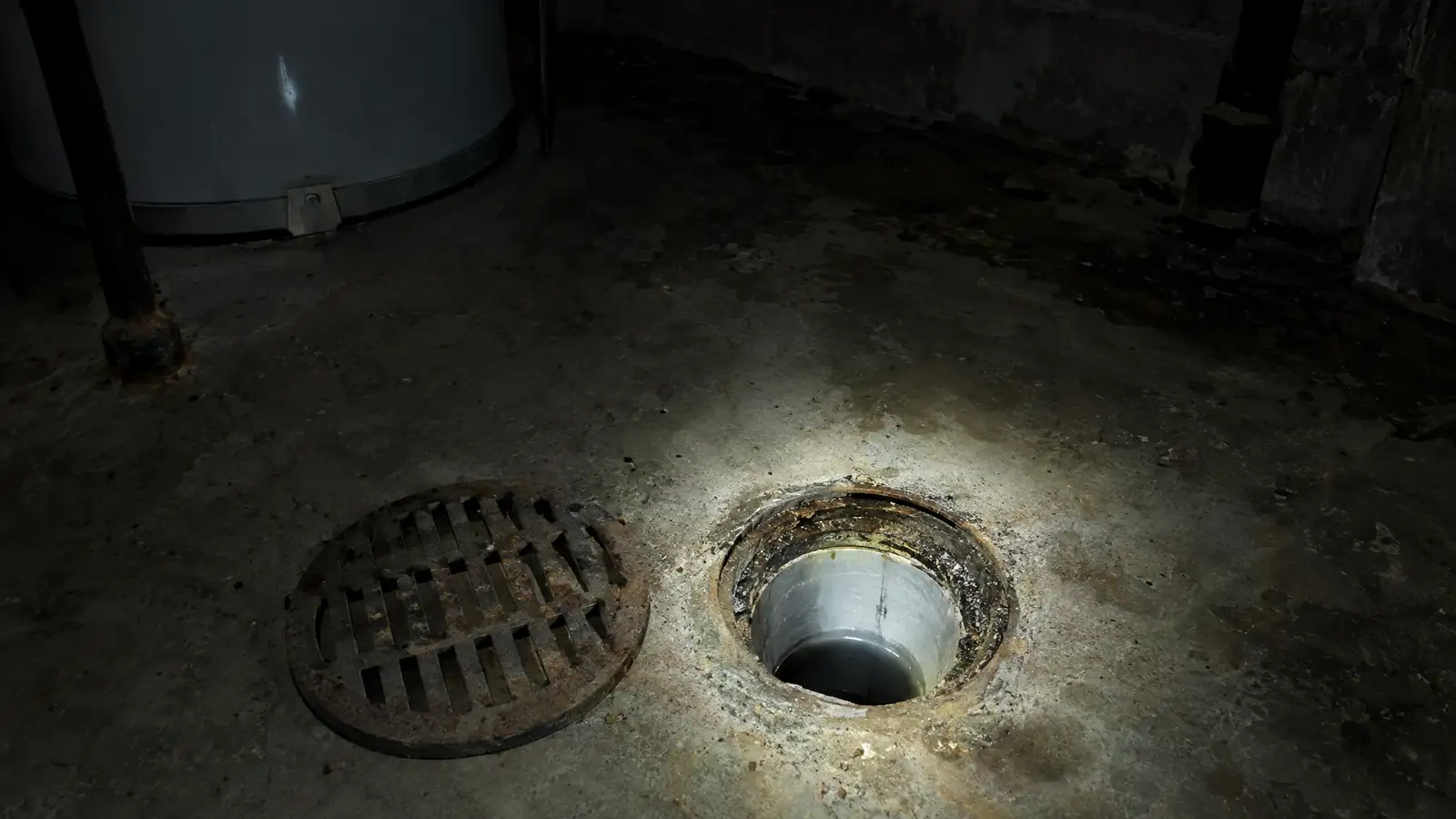
The way to know which is at work is to look. A camera ends the guessing and lets you fix the cause once.
Quick answers
Are enzyme or chemical cleaners worth it?
They rarely address structural causes and some can harm pipes. Fix the cause instead.
Should I snake it myself?
A homeowner snake can clear a simple fixture clog. If clogs return, get a camera look.
Want a professional look at your own pipe?
Schedule a camera inspection with the form below, or call (615) 952-0844.