Key takeaways
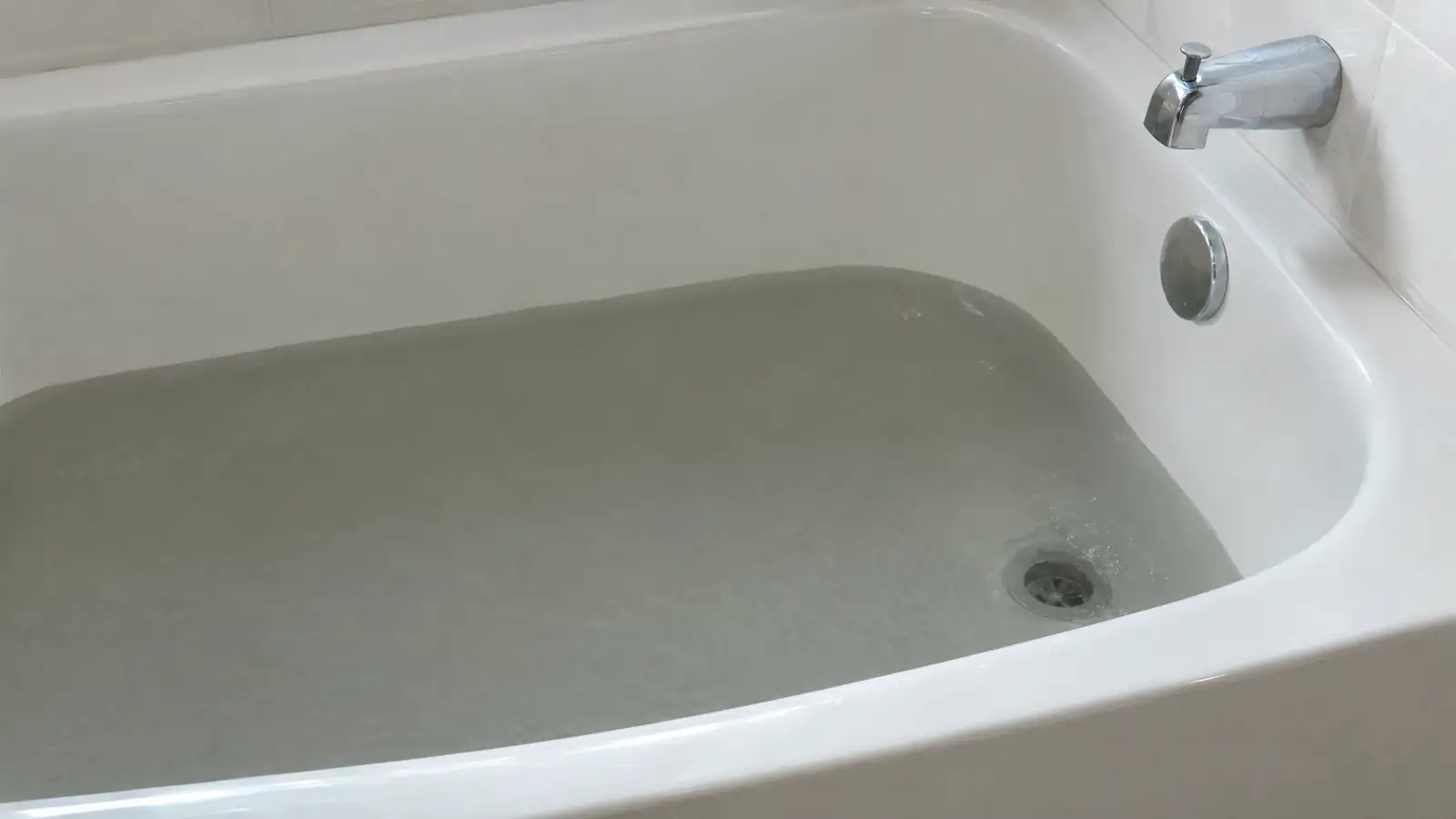
- Several slow fixtures point to the main line, not a single clog
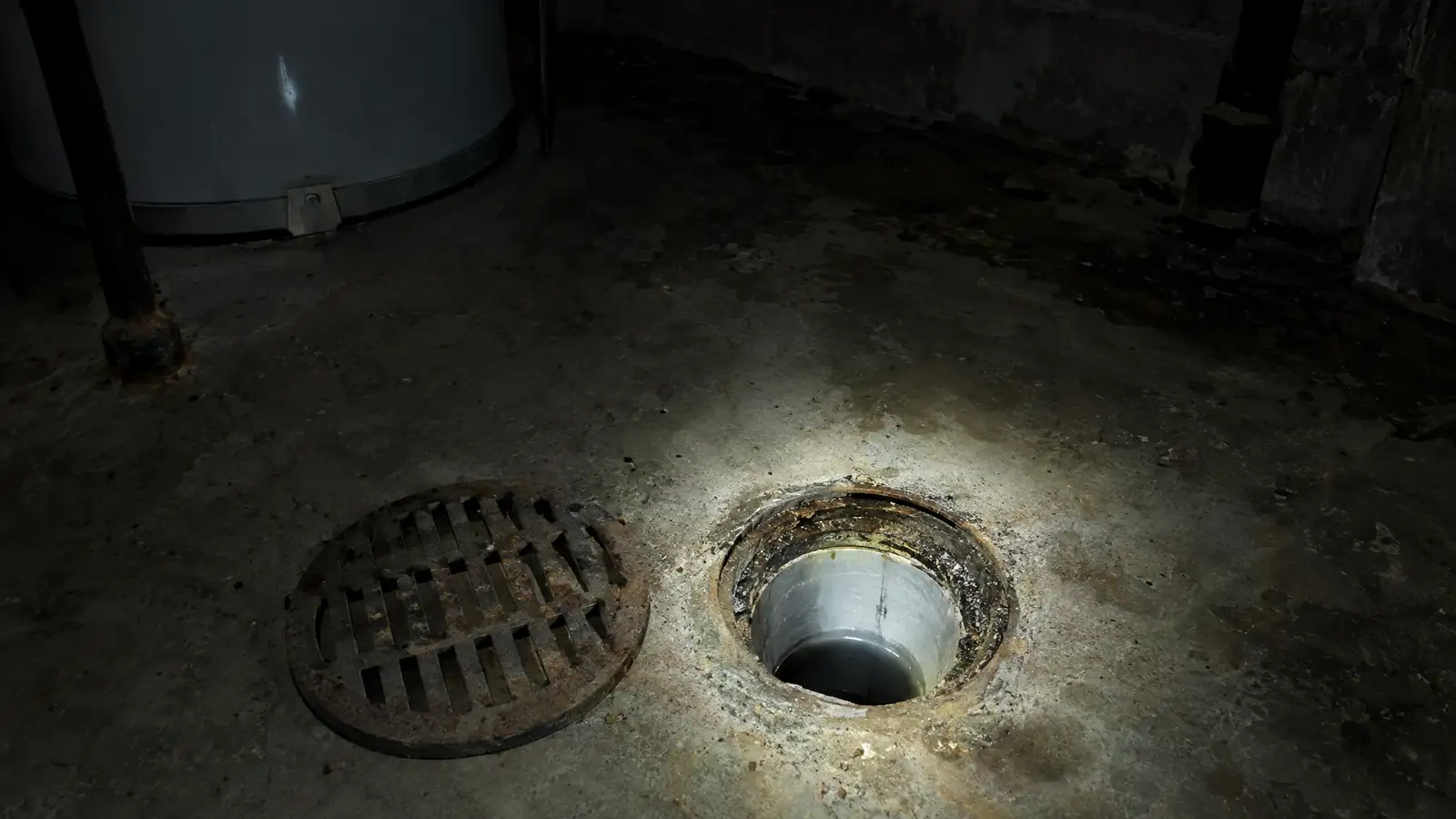
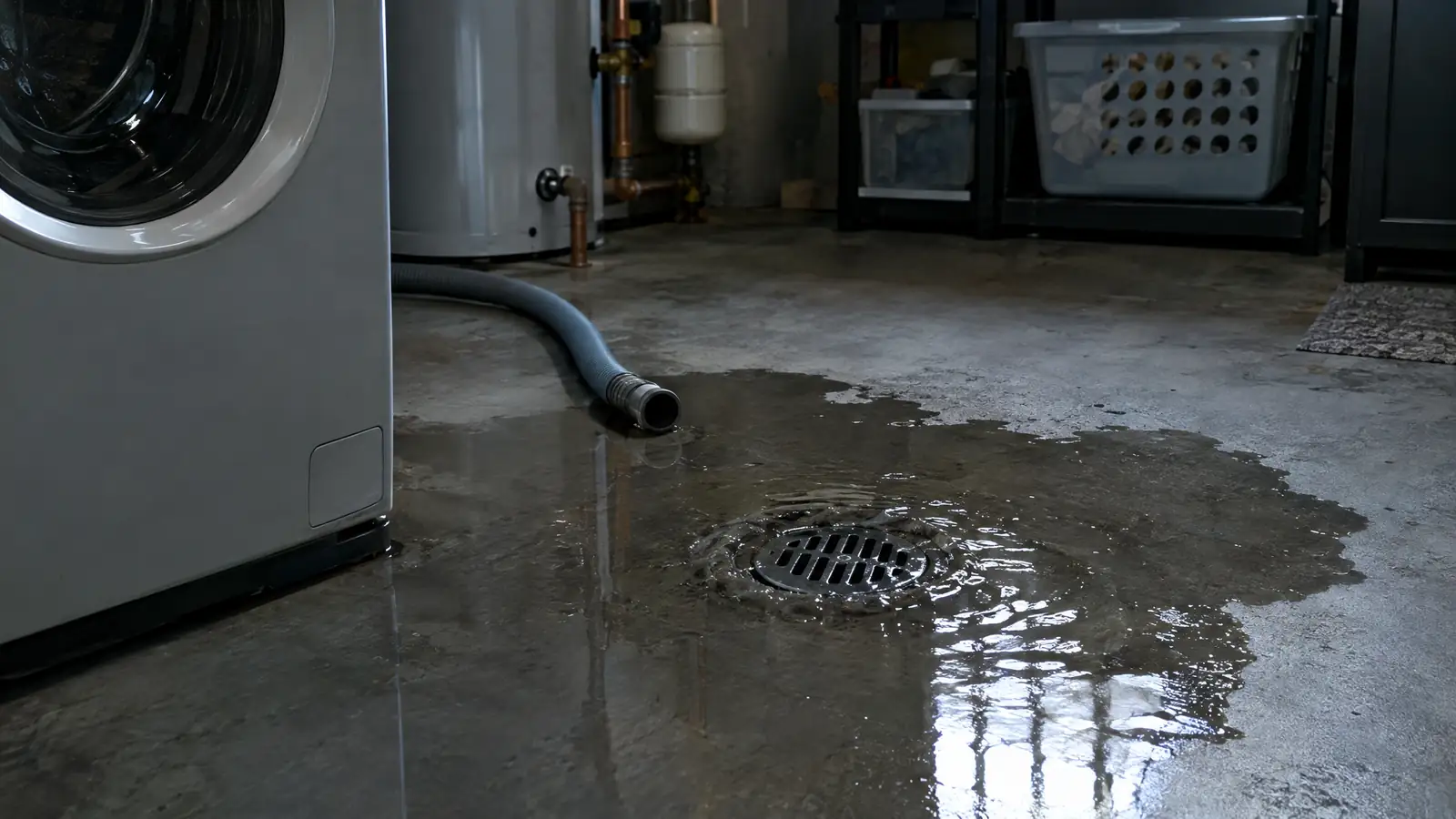
- Check the lowest drains first
- Gurgling or bubbling is a second warning sign
- A camera finds the cause; a snake only treats it
One drain or all of them?
A single slow sink is usually a local clog in that fixture’s trap or branch. When the tub, the washer drain and a toilet are all slow together, the blockage is further downstream, in the main drain or the sewer line.
Note which fixtures are slow and which are fine: the pattern points to where the problem sits.
Quick tests you can do
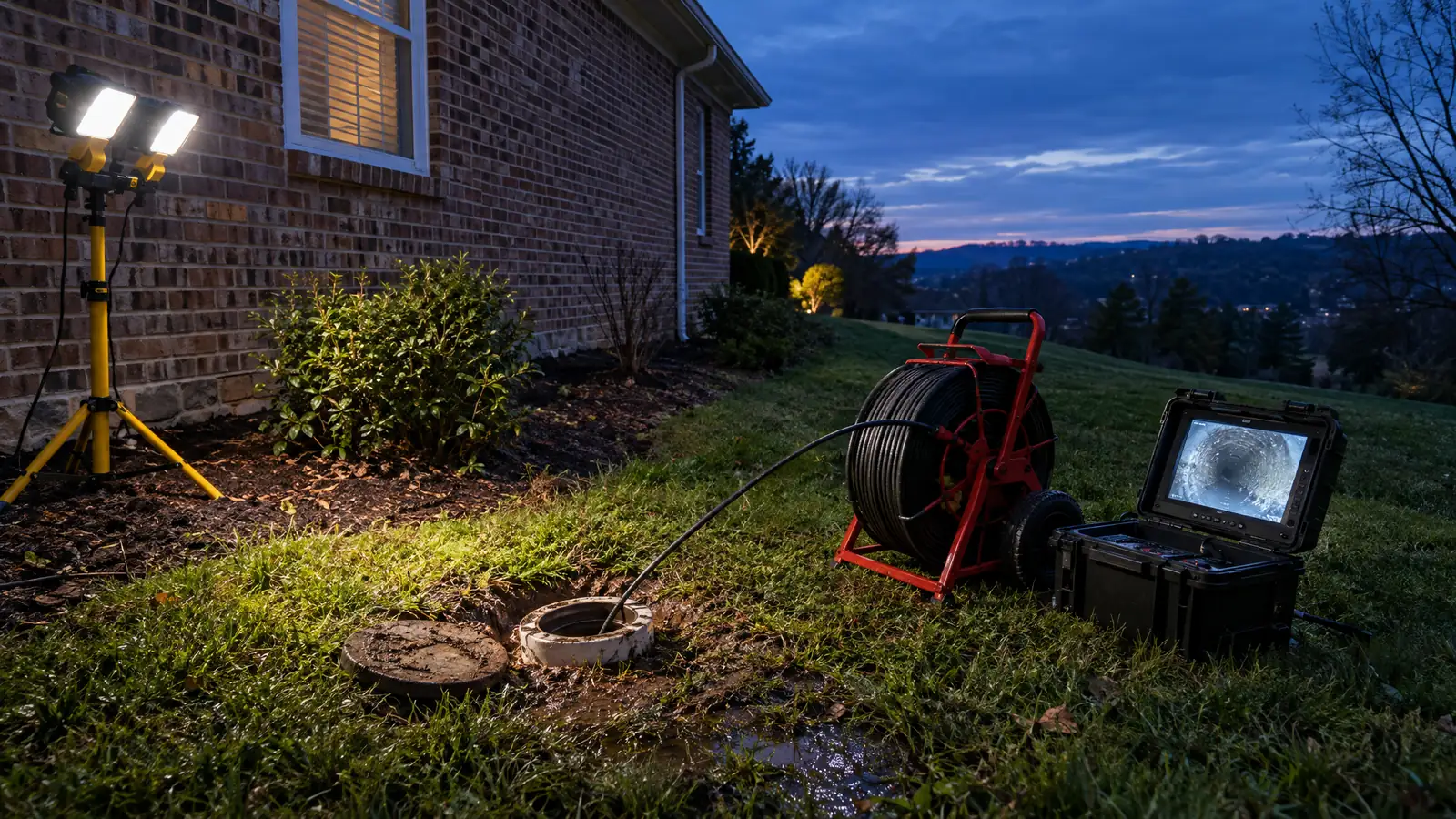
Run water in the highest fixture and watch the lowest: if the lowest bubbles or rises, the main is restricted. Flush a toilet and see whether a nearby tub gurgles. Look in the cleanout, if you can find it, for standing water.
If water is standing in the cleanout, the line is blocked at or beyond that point.
Common causes
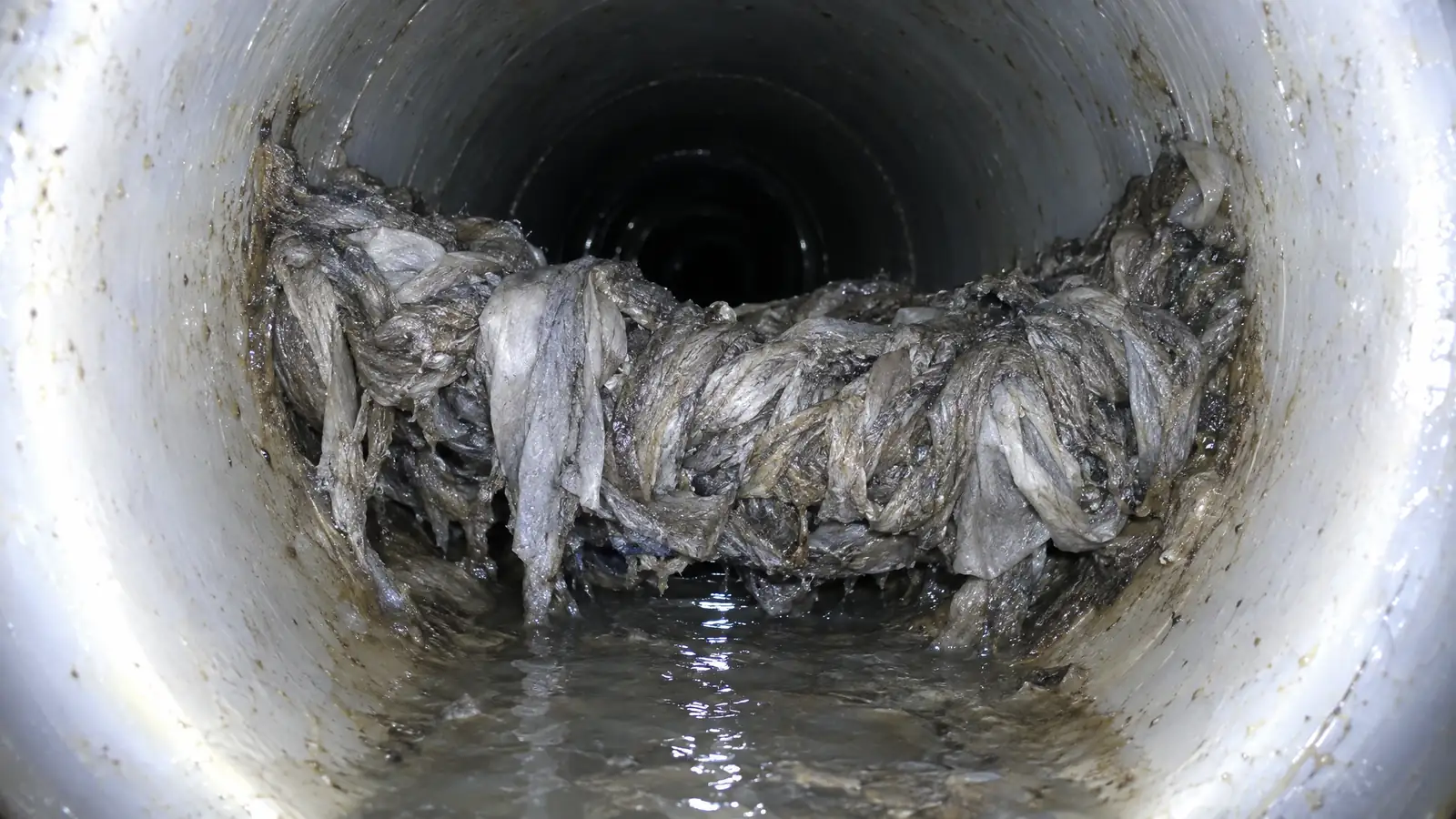
Roots at a joint, grease and soap buildup, a belly collecting solids, scale in cast iron, a cracked pipe letting soil in, or flushed wipes that never break down.
Each has a different fix, which is why knowing the cause matters.
Next steps
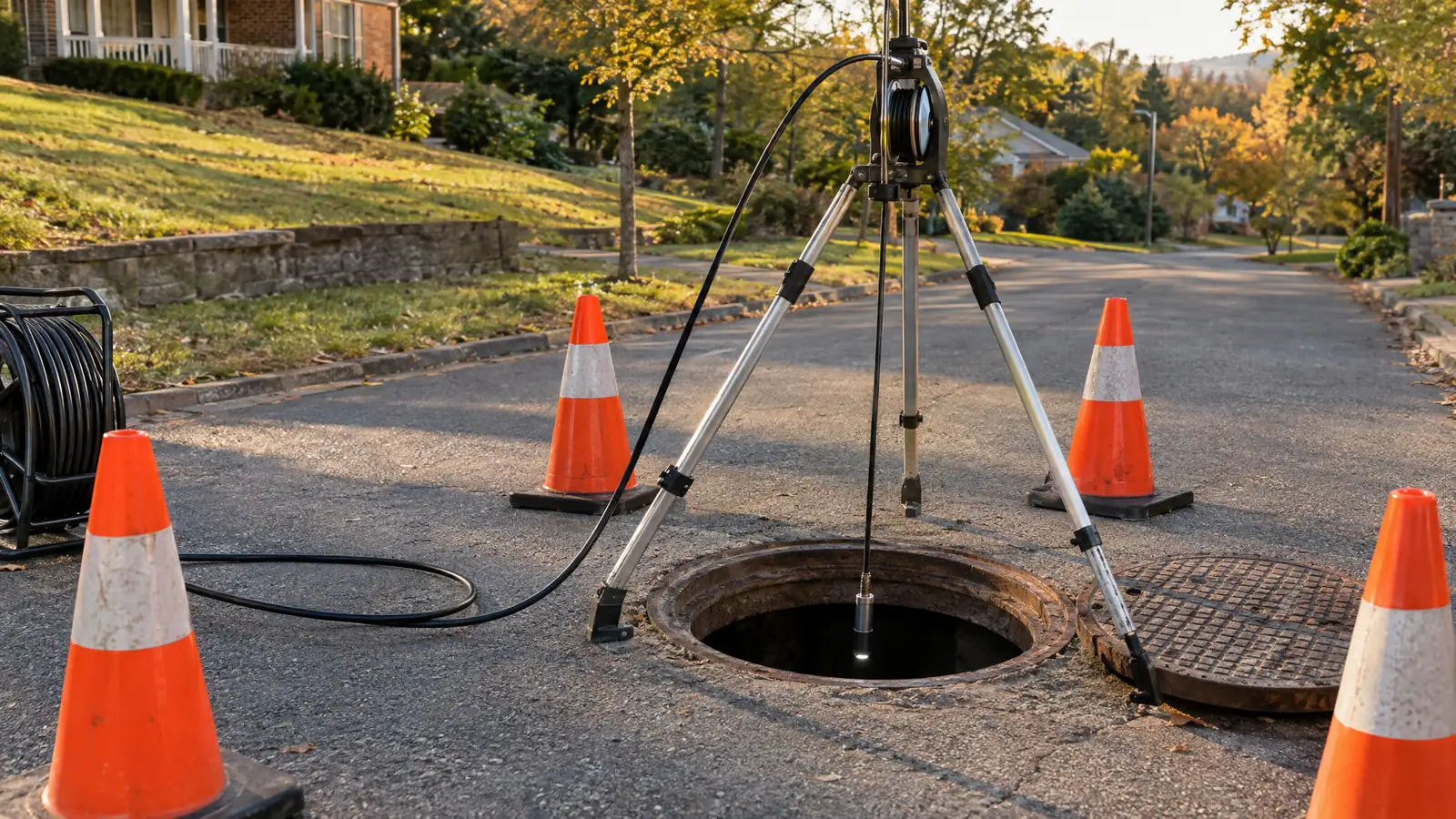
Stop adding load: space out laundry and long showers. Avoid chemical cleaners, which can damage pipes. Call for a camera inspection so the cause is seen, not guessed.
If sewage rises, treat it as an emergency.
Quick answers
Can I fix it with a plunger?
A plunger helps a single fixture. If many are slow, the blockage is beyond the plunger’s reach.
Is it the city sewer?
It could be, but check your cleanout first. If the cleanout is dry, the problem may be in the public main.
Want a professional look at your own pipe?
Schedule a camera inspection with the form below, or call (615) 952-0844.