
Key takeaways
- A wet spot has many possible sources
- Sewer leaks usually smell and the grass grows greener
- Irrigation, supply lines, downspouts and groundwater cause similar spots
- A camera and locator can confirm or rule out the sewer
Look at the clues
A sewer leak often brings a smell, lush green grass above the line and a soft or sunken spot. Water from an irrigation or supply line is usually clean and odorless and may pool or pulse. Roof runoff and groundwater tend to appear after rain.
Notice when it appears: after flushing or laundry points to the sewer.
Simple tests
Check the water meter: with all water off, a moving meter means a supply leak. Run the washing machine drain and watch the spot. Look at irrigation zones and downspouts.
If the spot sits over the sewer path, it deserves a camera.
What the camera adds
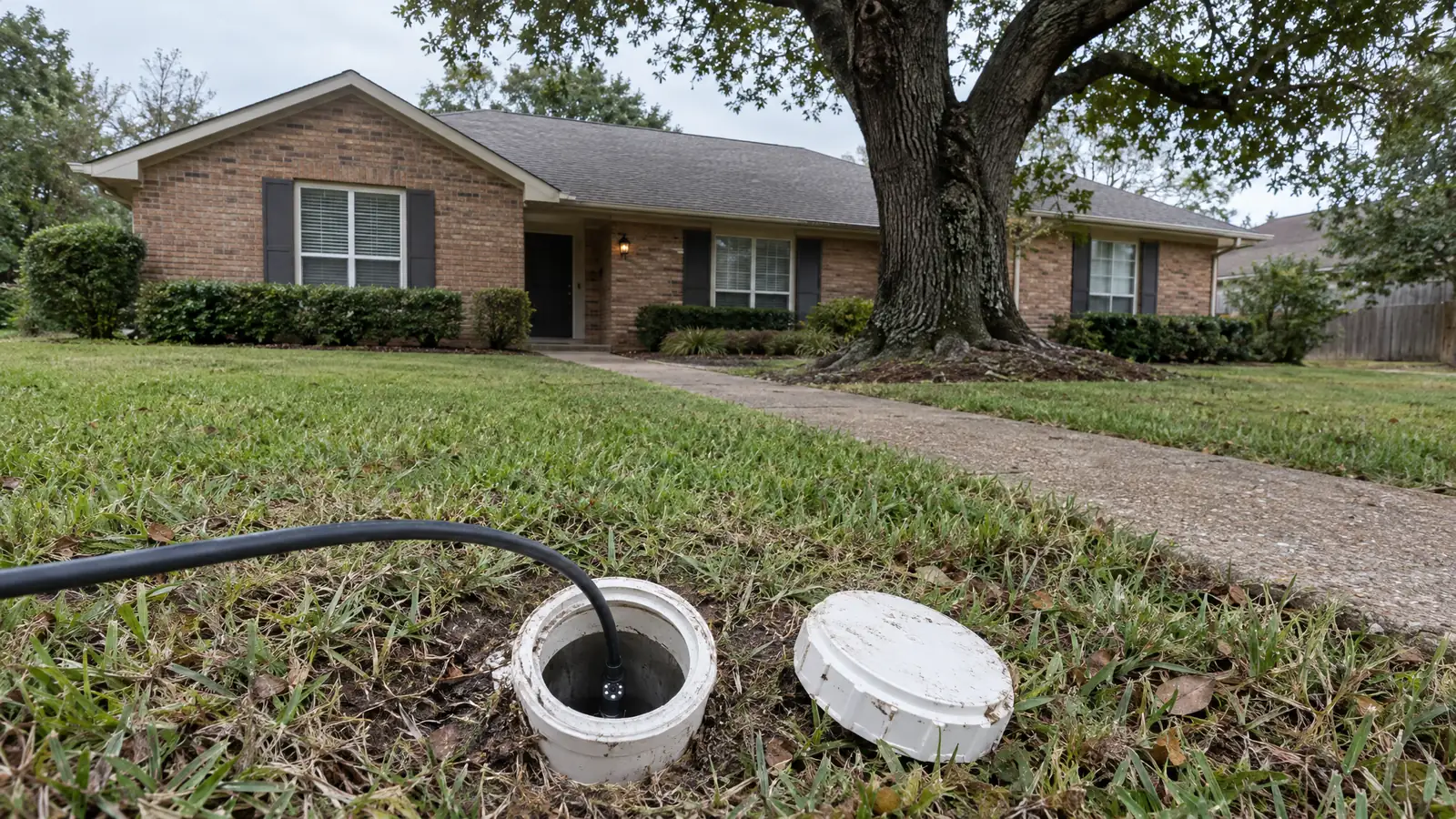
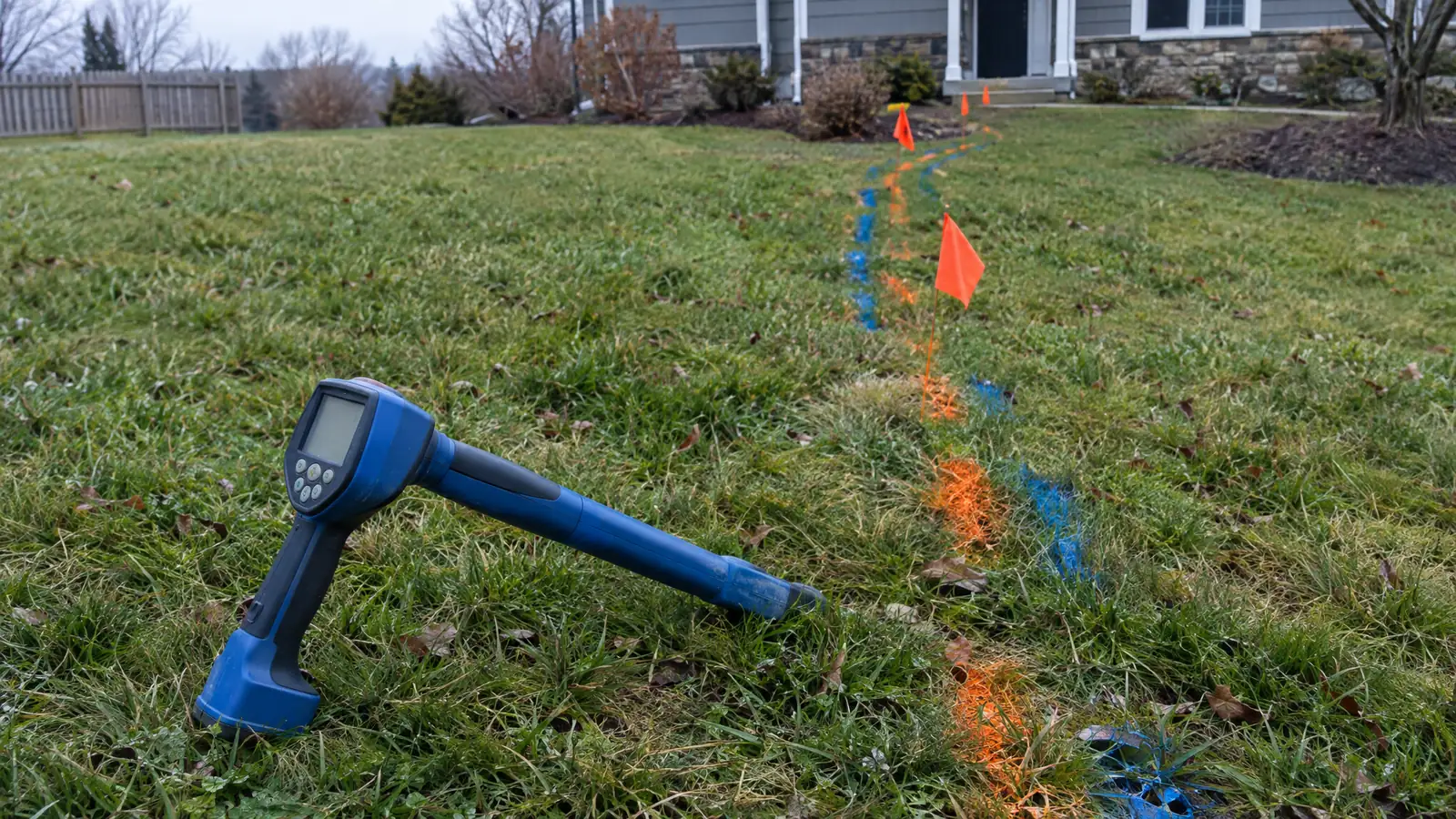
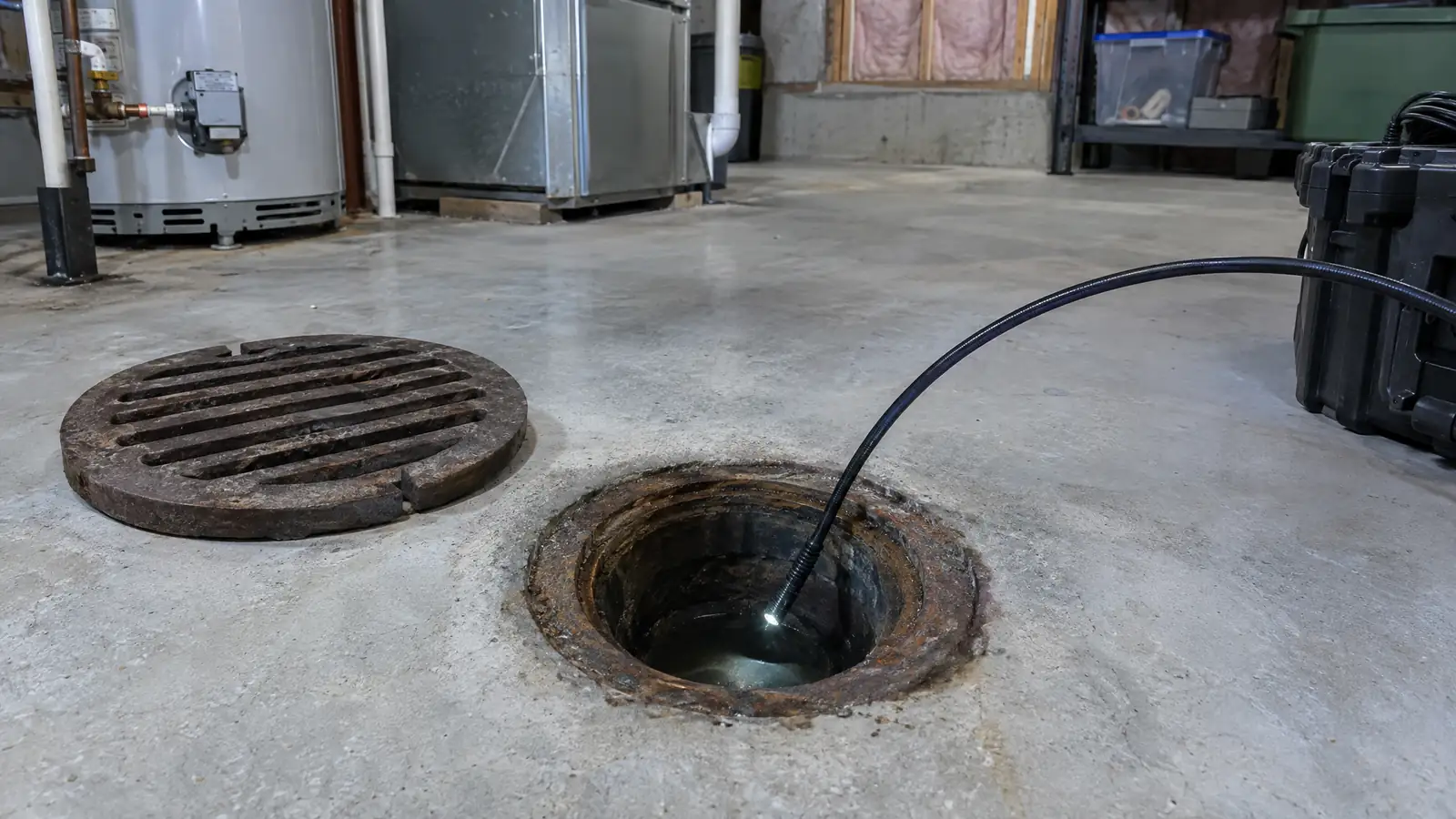
A camera in the sewer shows cracks, gaps or missing sections near the wet spot. A locator marks the line’s path above ground, so you can see whether the spot is on it.
If the sewer is intact, you have ruled it out, which is valuable too.
Next steps
If the sewer is the source, a targeted repair is possible because you know where. If it is not, you can move on to the other suspects without digging up the wrong pipe.
Avoid digging at random.
Quick answers
Does a wet spot always mean a leak?
No. Groundwater, drainage and irrigation are common causes.
Can a leak cause a sinkhole?
A long-running leak can wash soil away. If the ground is sinking, treat it as urgent and keep people away.
Want a professional look at your own pipe?
Schedule a camera inspection with the form below, or call (615) 952-0844.