Key takeaways
- A home inspection does not normally put a camera in the sewer
- Older homes and big trees raise the odds of problems
- A scope can give you leverage or peace of mind
- It fits inside a normal inspection period
What a home inspection covers
A general home inspector checks the visible systems: roof, structure, electrical, plumbing fixtures and so on. The sewer line is underground and out of sight, so it is usually outside the scope unless a camera is added.
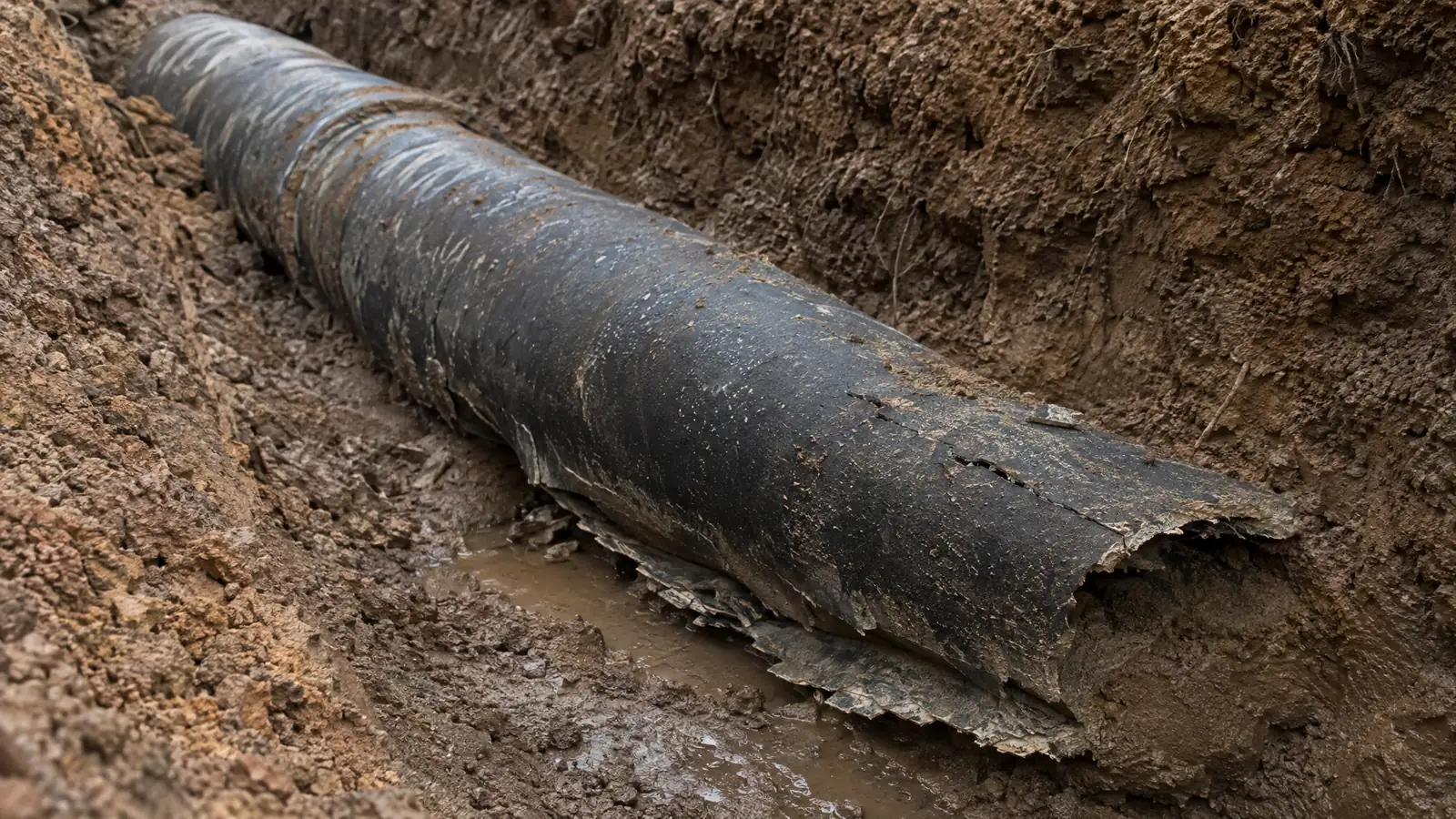
That gap is why buyers sometimes discover a failing sewer line after closing.
Who should definitely scope
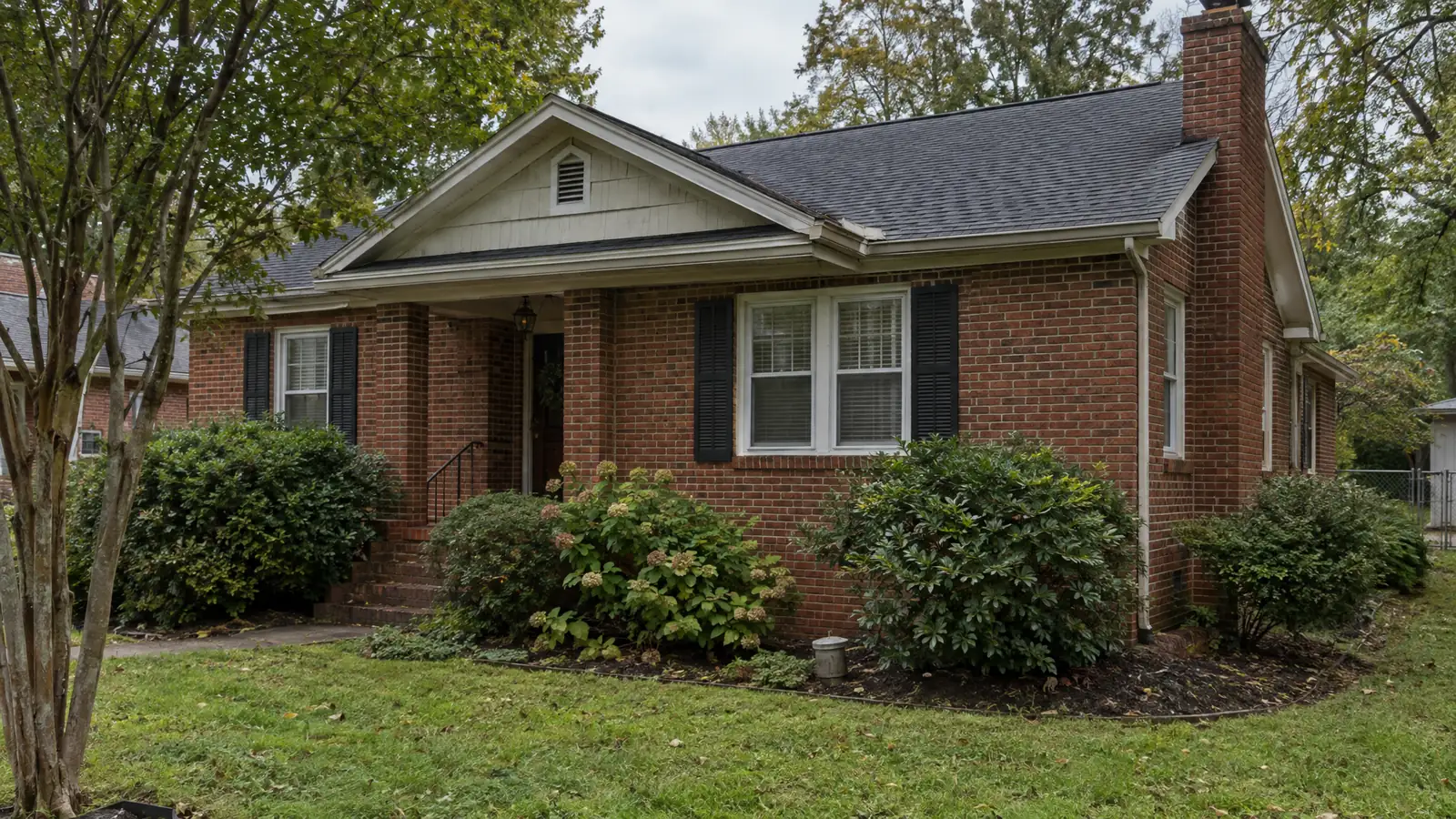
If the house was built before the mid-1980s, if there are large trees near the front yard or street, if the seller reports past backups, or if you see signs like sunken lawn strips or slow drains, a scope is worth it.
If the sewer line has never been inspected, that alone is a reason.
Who may skip it
A recent new build with a clean builder inspection, or a home whose sewer was recently scoped and replaced with a recording to show for it, has less need.
Even then, a scope is cheap compared with the risk, and many buyers do it simply for a baseline.
How to fit it in
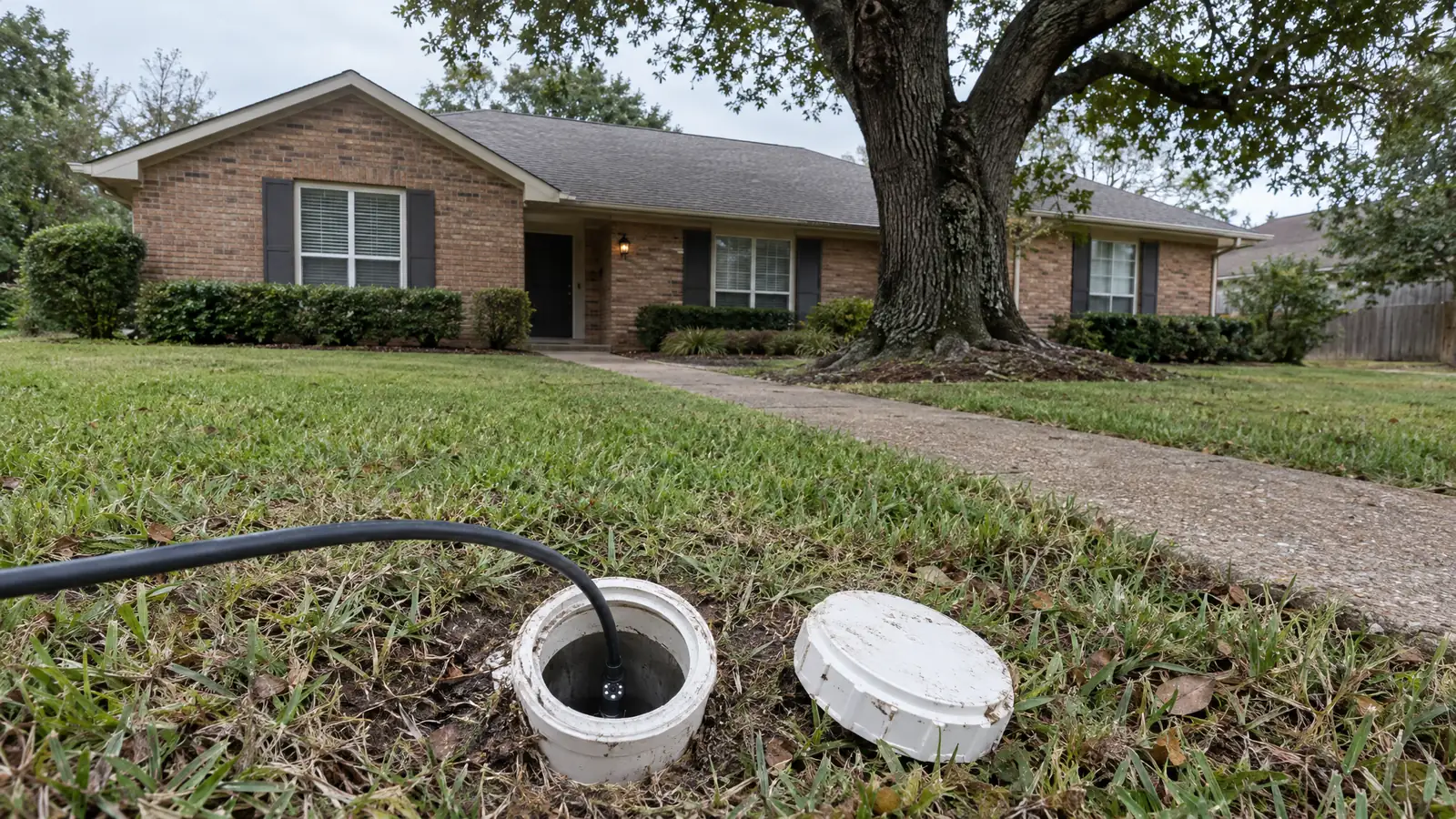
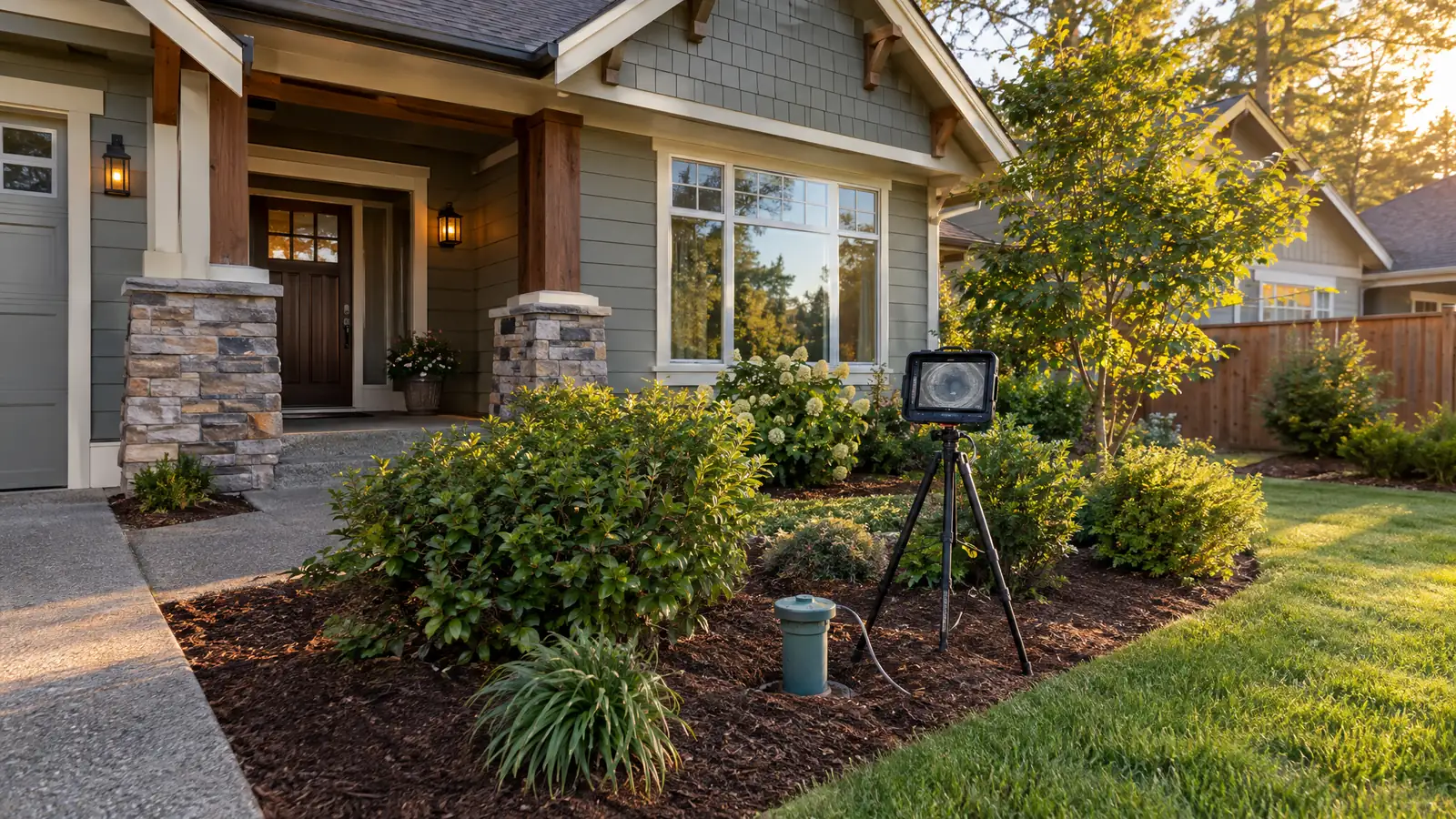
Order the scope as soon as you are under contract, so it fits inside the inspection period. Ask your agent to arrange cleanout access, and have the video and report sent to them.
The results can feed straight into a repair request, a credit, a price renegotiation or a decision to walk.
Quick answers
Who pays for a scope?
Typically the buyer, as part of due diligence. Sellers sometimes offer one up front.
What if the scope finds a problem after I waive inspections?
Then the problem is yours, which is why it is better to scope within the inspection period.
Want a professional look at your own pipe?
Schedule a camera inspection with the form below, or call (615) 952-0844.