Key takeaways
- A good report lists pipe material, size and length inspected
- Each finding has a distance and a severity
- Urgent items are separated from monitor items
- You should receive the video as well
The basics up top
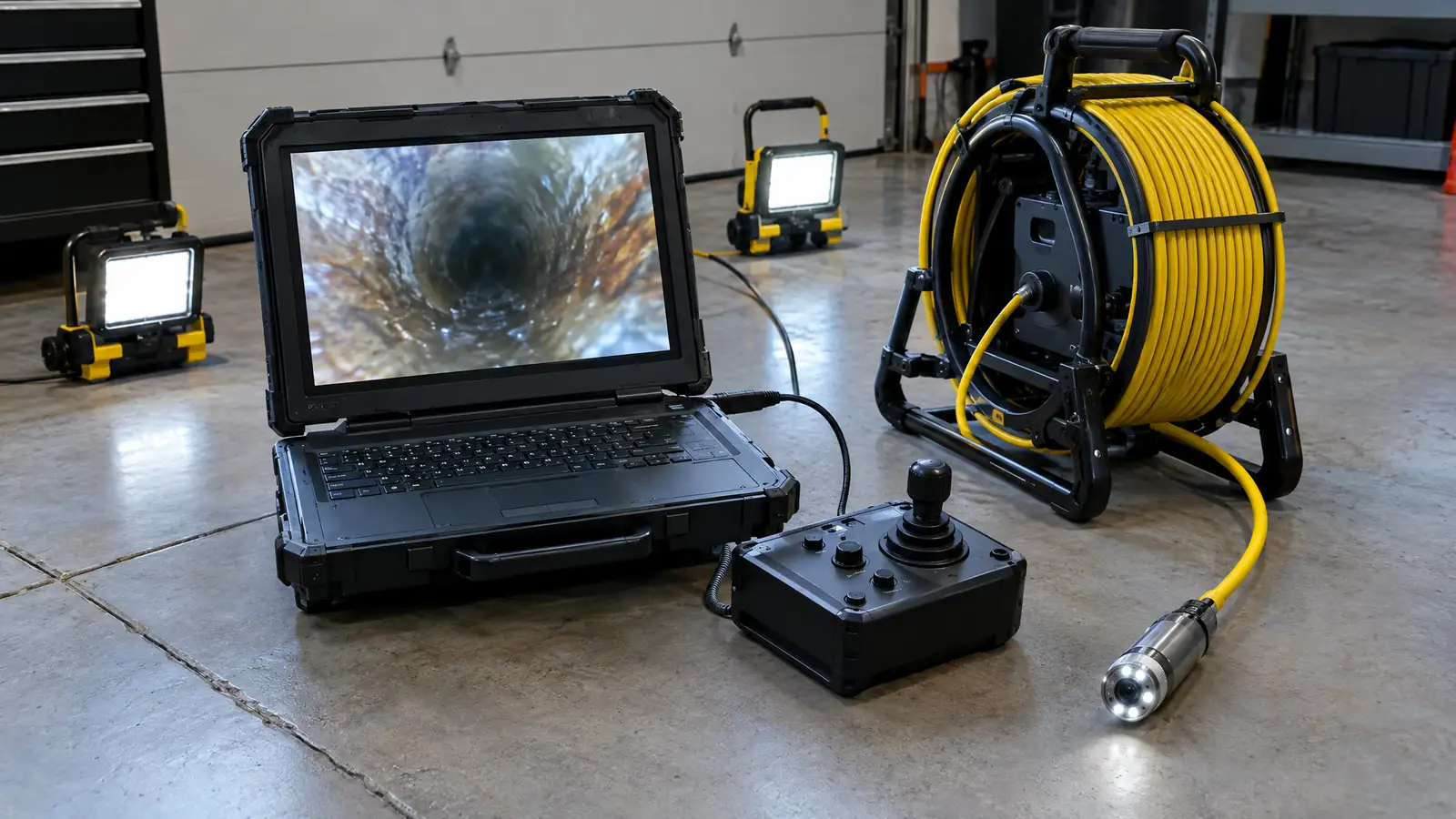
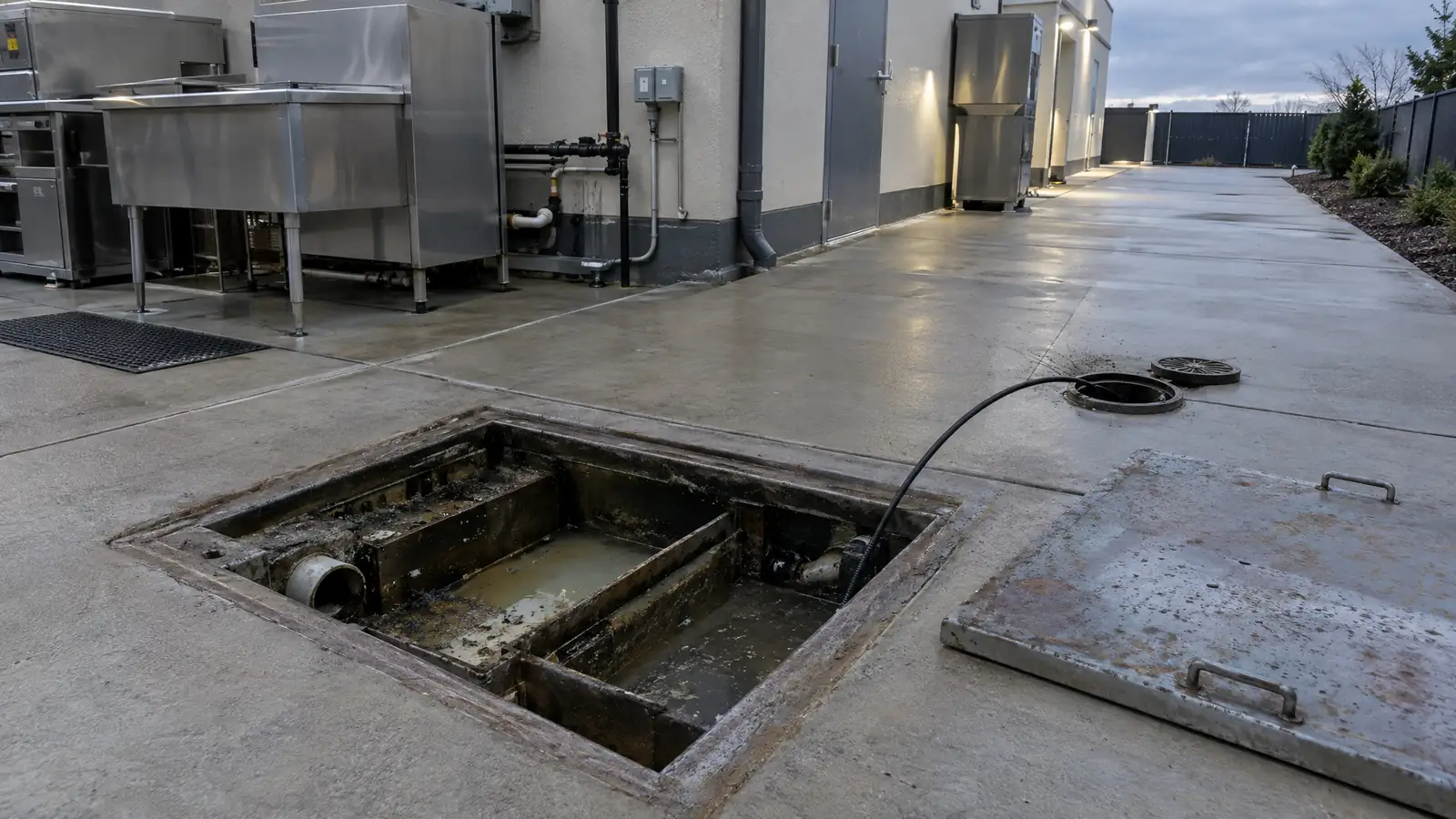
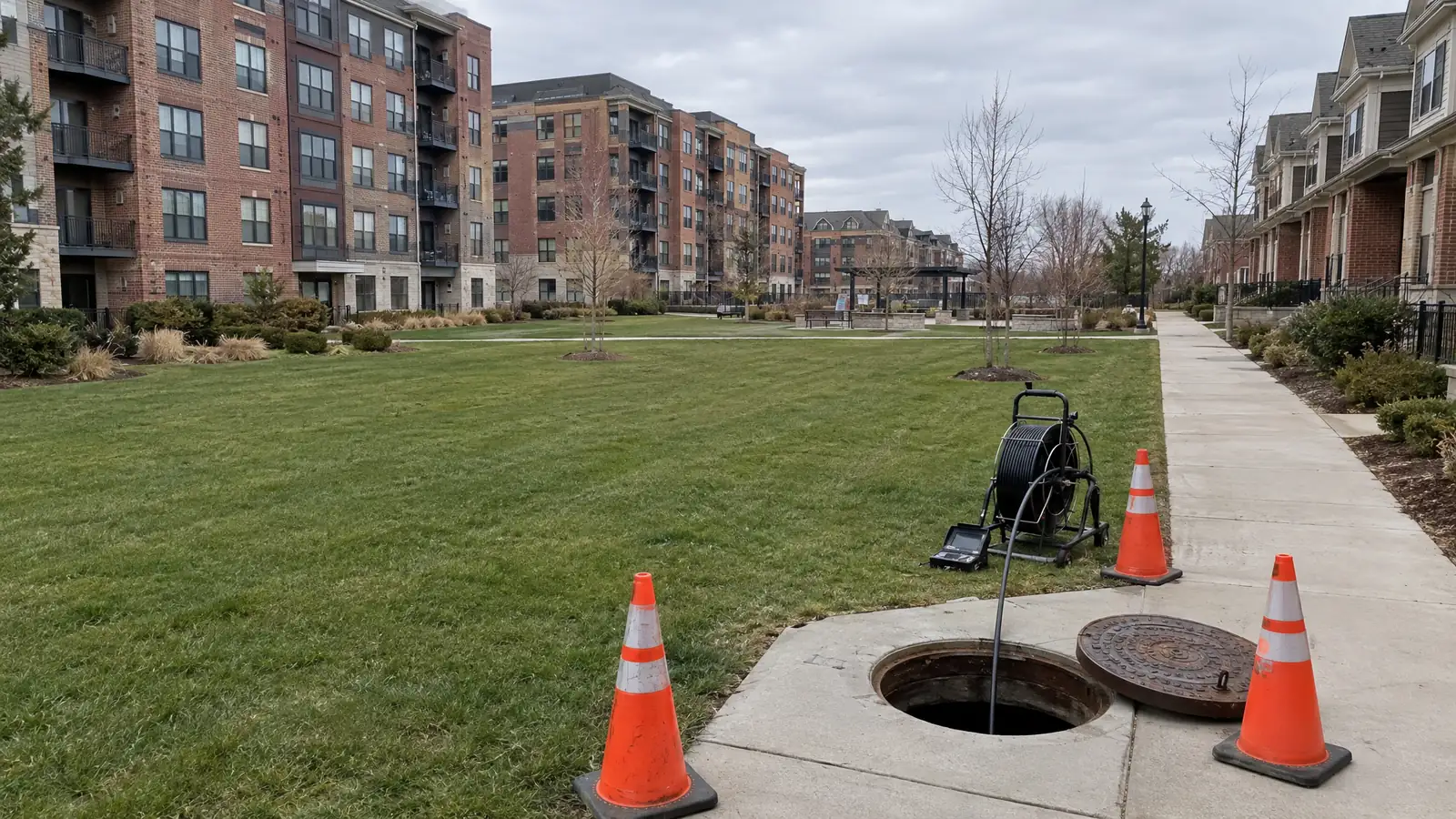
Start with the facts: address, date, pipe material and diameter, the access point and how much of the line was inspected. If the camera could not go all the way, the report should say where it stopped and why.
These details tell you how much the report covers.
The findings
Each finding should list the distance from the entry point, a short description such as root intrusion, offset joint, crack or belly, and a severity in plain terms. Photos or stills should accompany the key ones.
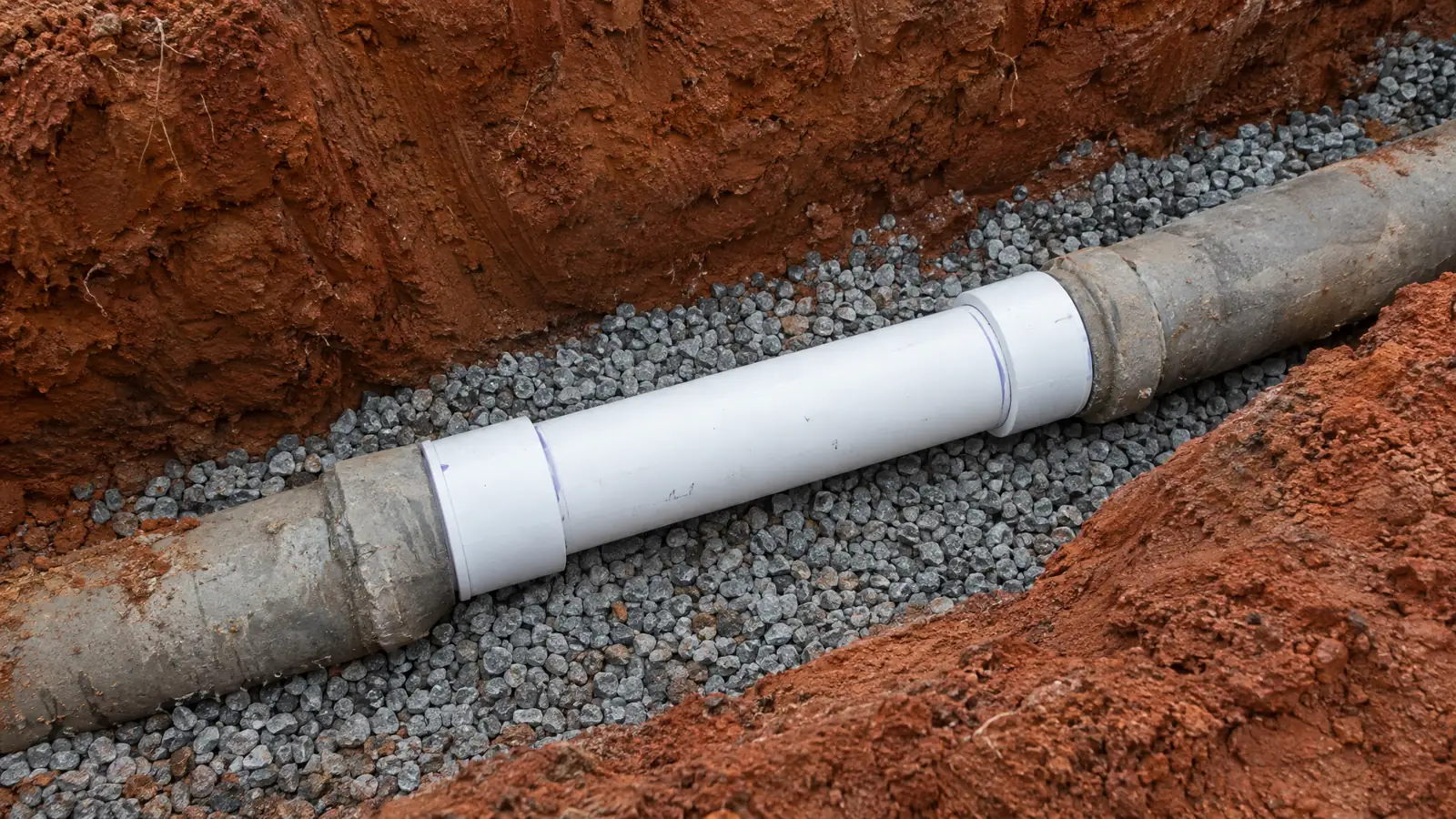
Terms you may see: lateral, cleanout, tap, belly, offset, fracture, infiltration.
Urgent versus monitor
A good report separates items that need action now, such as a collapse or a break, from items that can be monitored, like light roots or a small belly. It should not bury a serious issue in a long list or inflate a minor one.
If everything is marked urgent, ask why.
What to do next
Take the report and video to one or two contractors for quotes, ask your agent how to use it in a purchase and file the recording. If anything in the report is unclear, ask the inspector.
The Inspection Report Reader tool on this site turns common findings into a plain-English plan.
Quick answers
Should the report include a recommendation?
Yes, a plain recommendation for each significant finding, without pressure to buy a repair.
Is the report an engineering document?
No. It is an inspection summary. If you need an engineer’s opinion, share the footage with one.
Want a professional look at your own pipe?
Schedule a camera inspection with the form below, or call (615) 952-0844.