Key takeaways
- Residential laterals range from shallow to many feet deep
- Depth depends on the street, the slope and the frost line
- Depth drives repair method and cost
- An electronic locator can estimate it
Typical depths
Many residential laterals sit a few feet below the surface where they leave the house and get deeper toward the street if the sewer main is deeper. Where the house is above street level, the line can be quite deep, and where the house is below the street, the line may be pumped.
There is no universal number. That is why measuring is wise.
What changes it
The slope of the line, the depth of the main in the street, the local frost depth, the lot’s grade and any fill or cut during construction all change depth.
Along a single line, the depth varies.
Why it matters
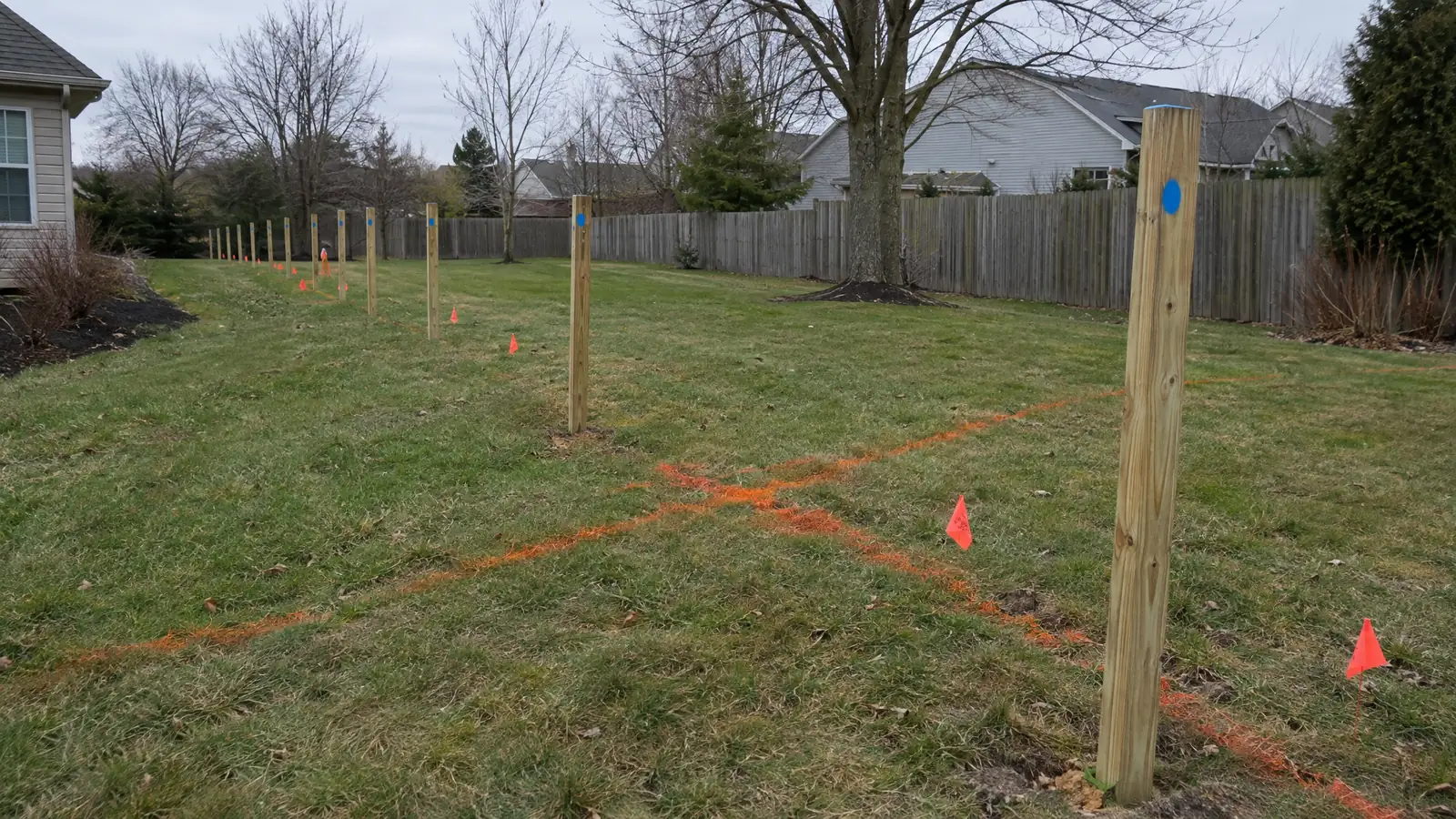
Shallow lines are easy to dig and easy to damage. Deep lines require shoring, machinery and more money, and make trenchless options more attractive. Depth also affects where a fence post or footing can go safely.
A contractor’s quote depends heavily on it.
Measuring it
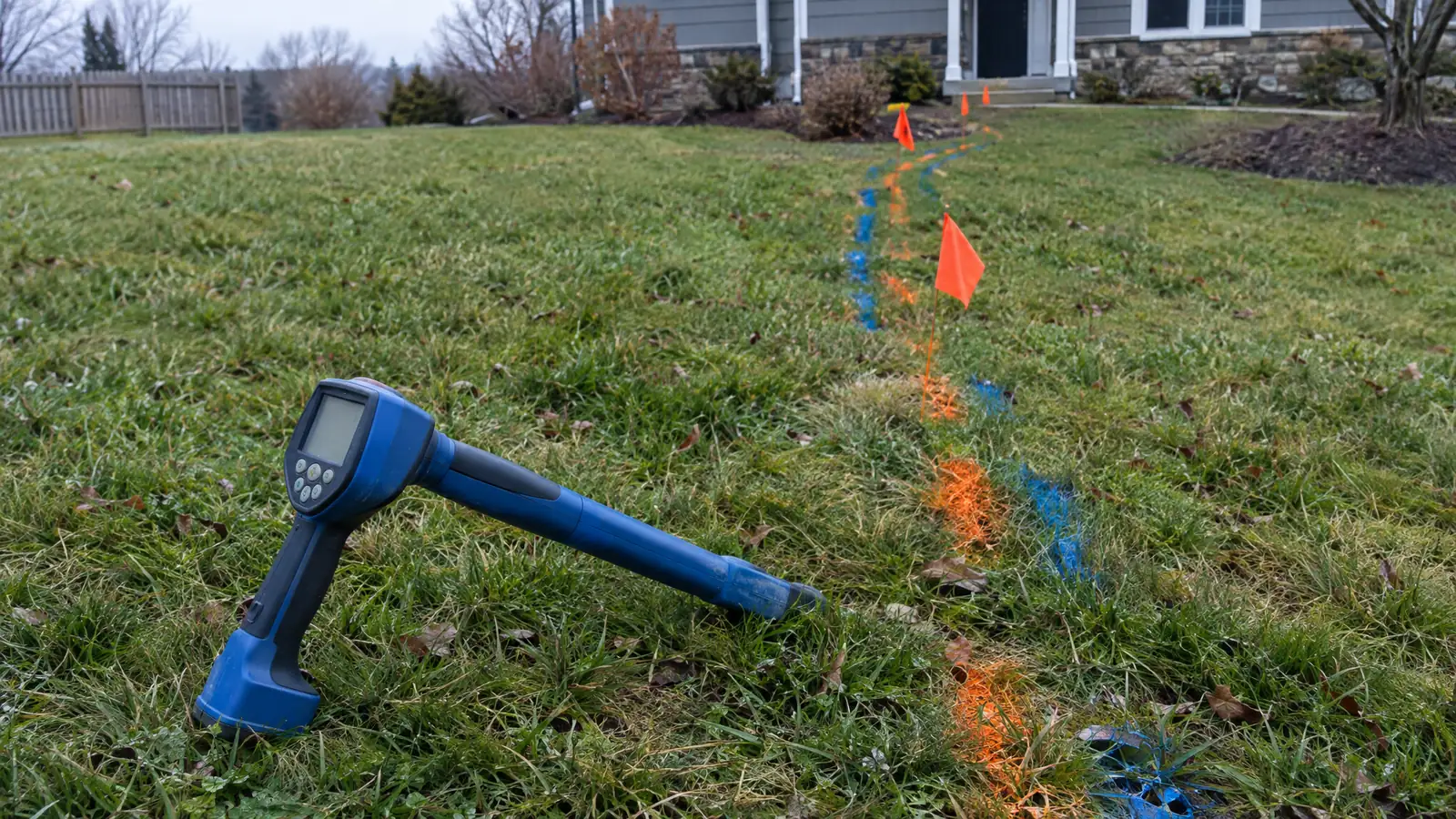
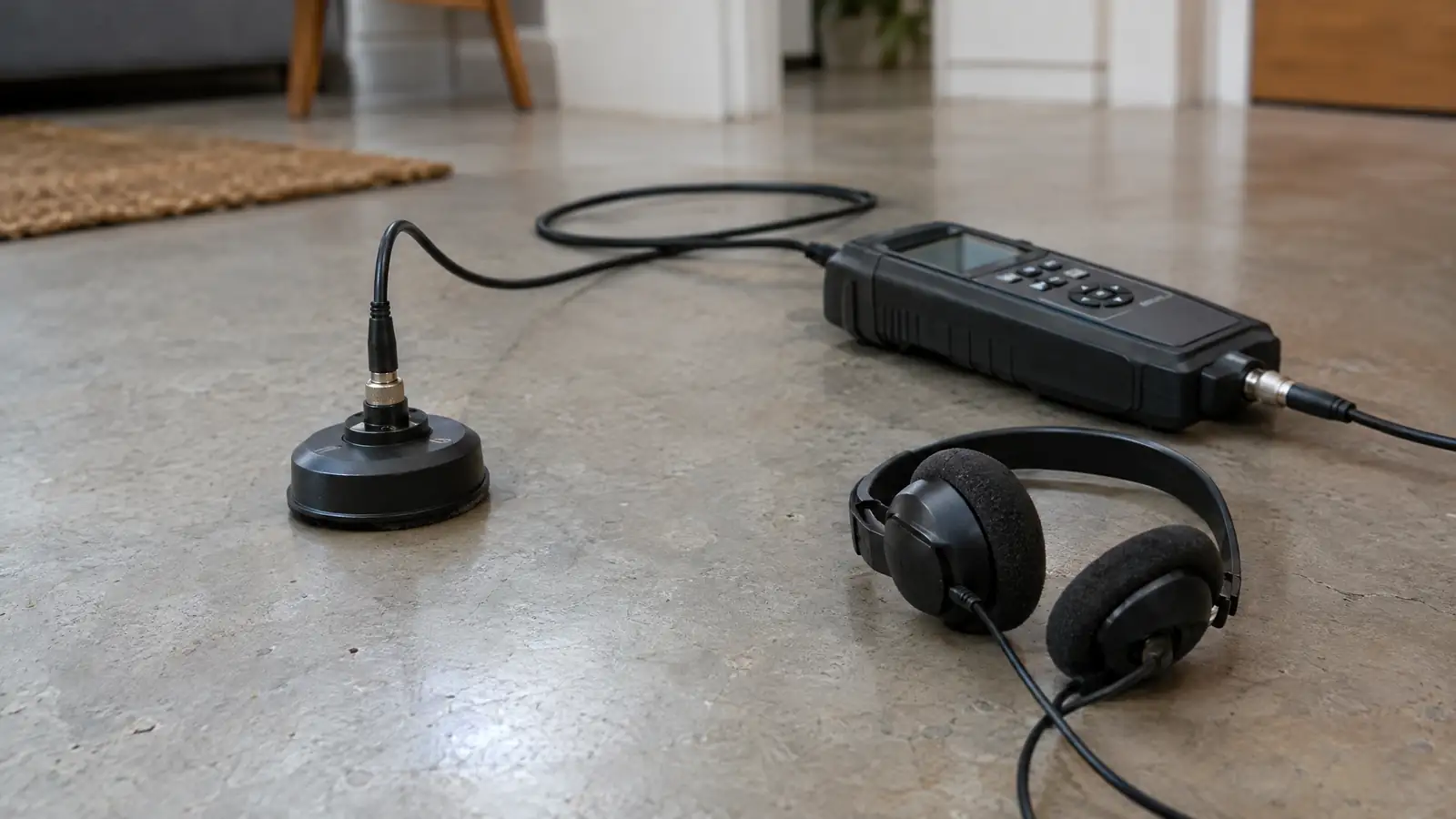
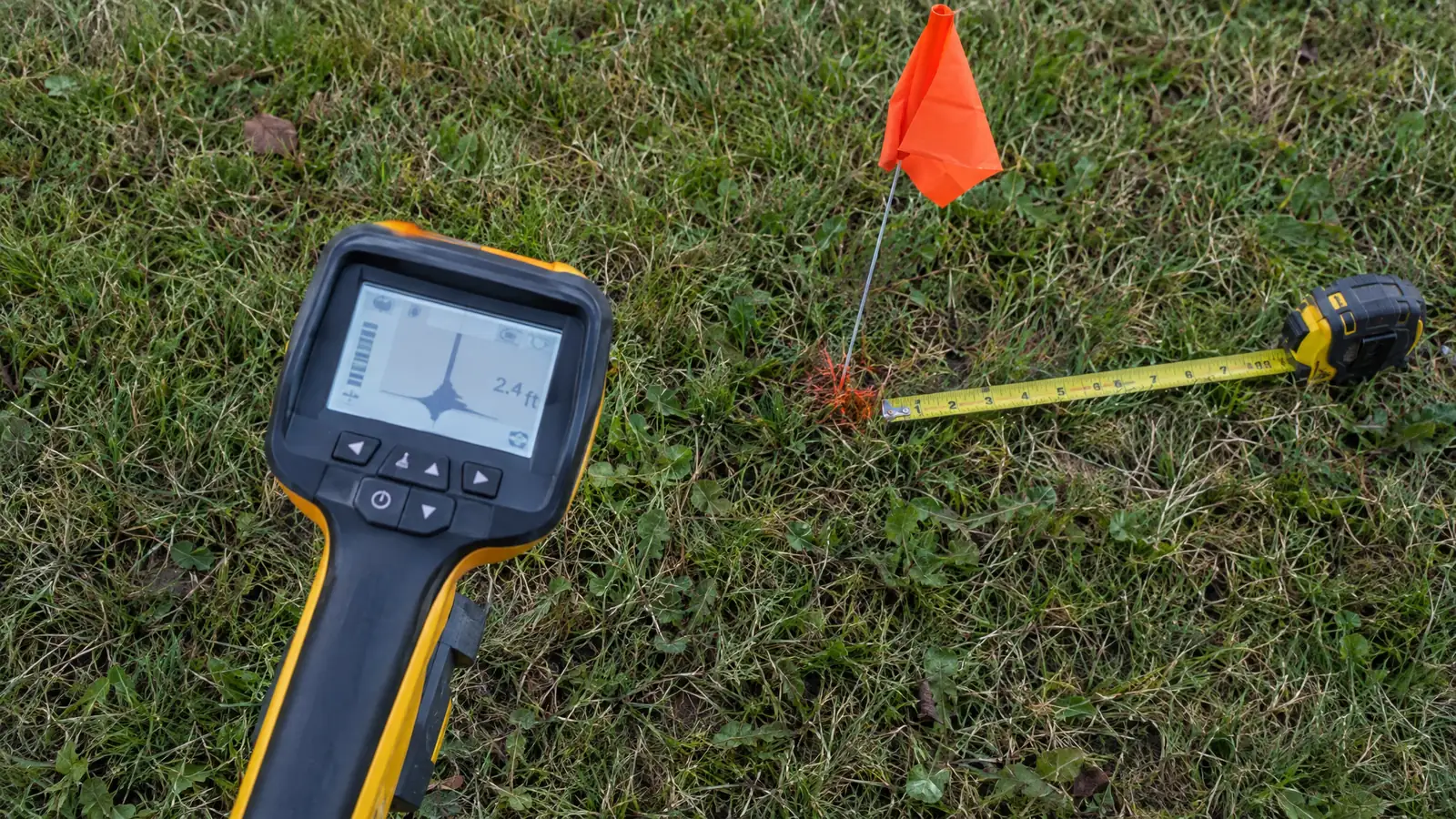
A locator with a sonde in the pipe estimates depth at points along the route. Results are approximate, so a careful probe or hand-dig confirms before heavy work.
Record the numbers with distances so they can be used later.
Quick answers
Can I find the depth myself?
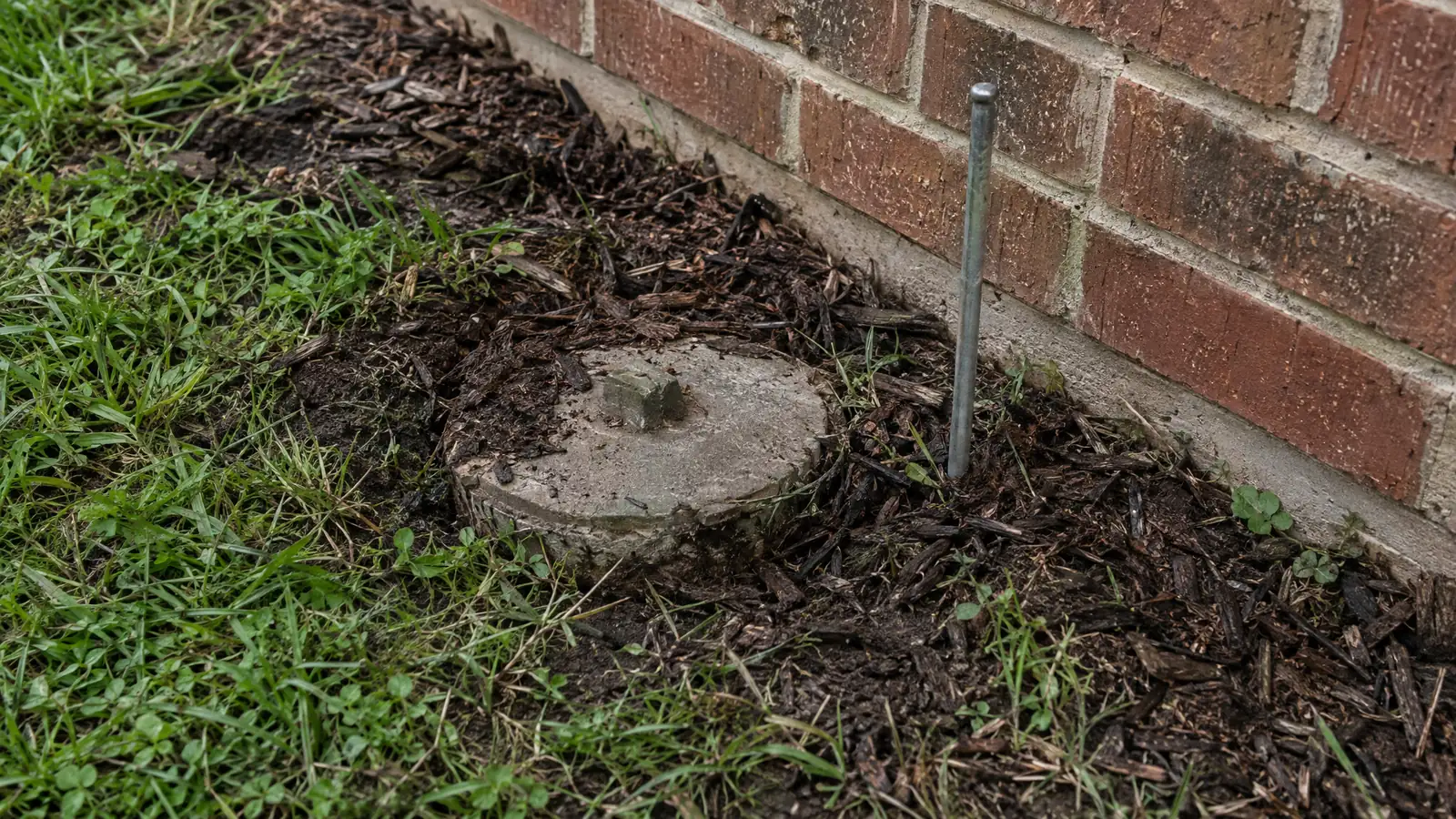
Not accurately without a locator. A probe can help in soft soil, but it risks damaging the pipe.
Is deeper better?
Not necessarily. Deeper pipes are better protected from frost and surface loads, but harder and costlier to repair.
Want a professional look at your own pipe?
Schedule a camera inspection with the form below, or call (615) 952-0844.