Key takeaways
- A small transmitter, the sonde, travels with the camera
- A receiver picks up its signal above ground
- The route and depth are marked with paint or flags
- Accuracy is good but not perfect, so confirm before heavy digging
The sonde
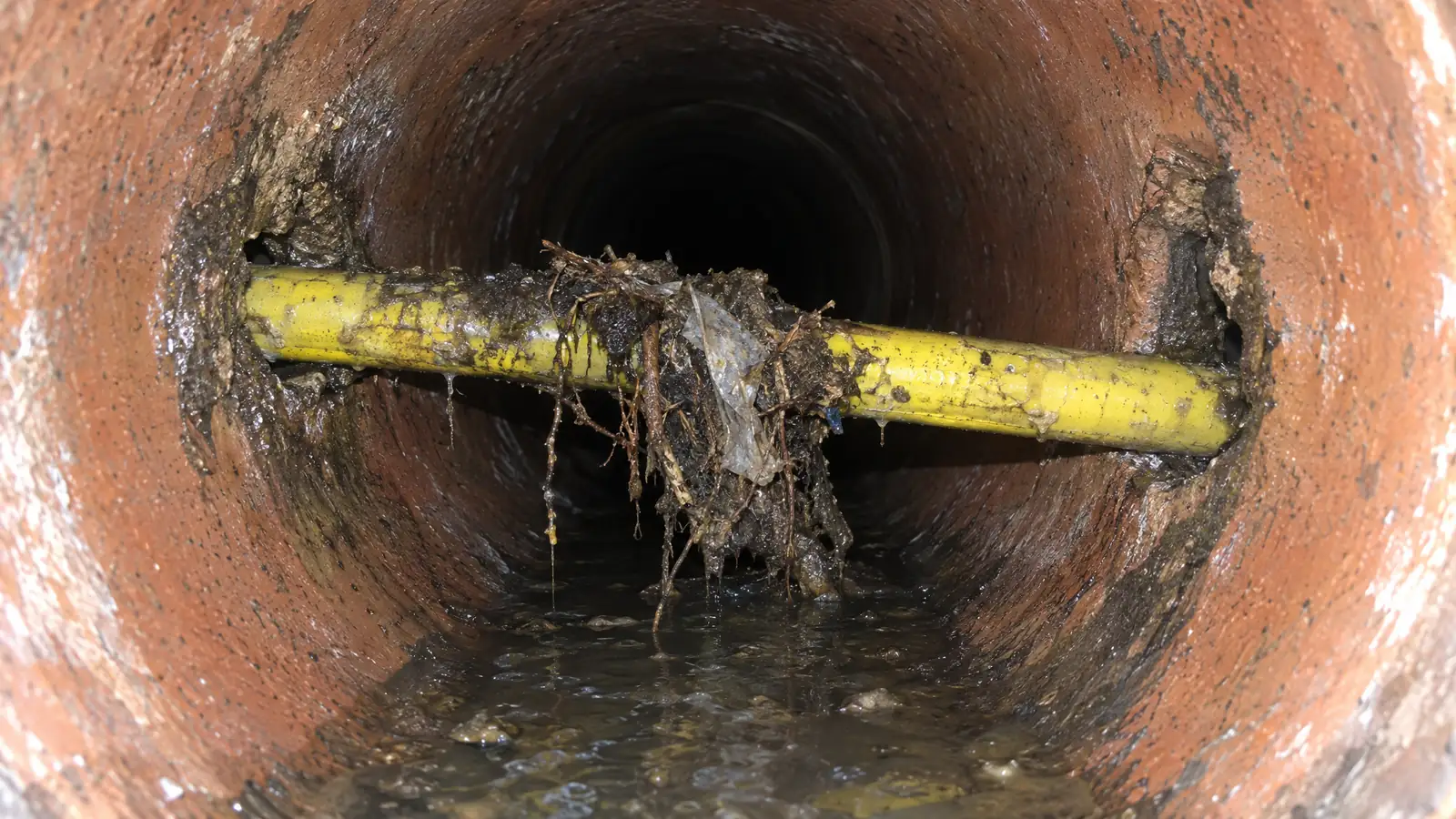
A sonde is a small battery-powered transmitter, often built into the camera head, that sends out a steady electromagnetic signal at a known frequency. It rides through the pipe with the camera.
Because it sits at the camera head, the signal marks exactly where the camera is.
The receiver
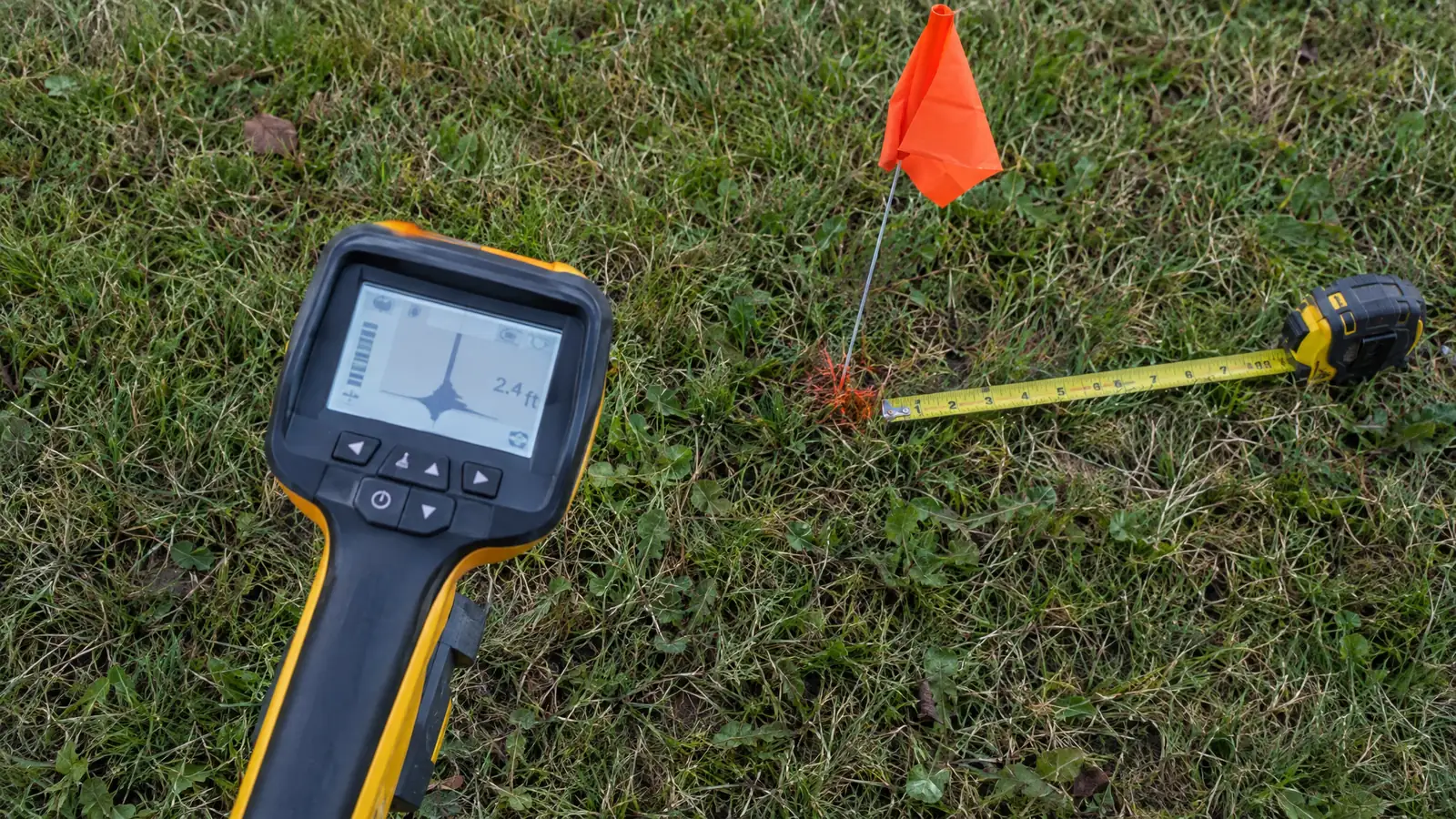
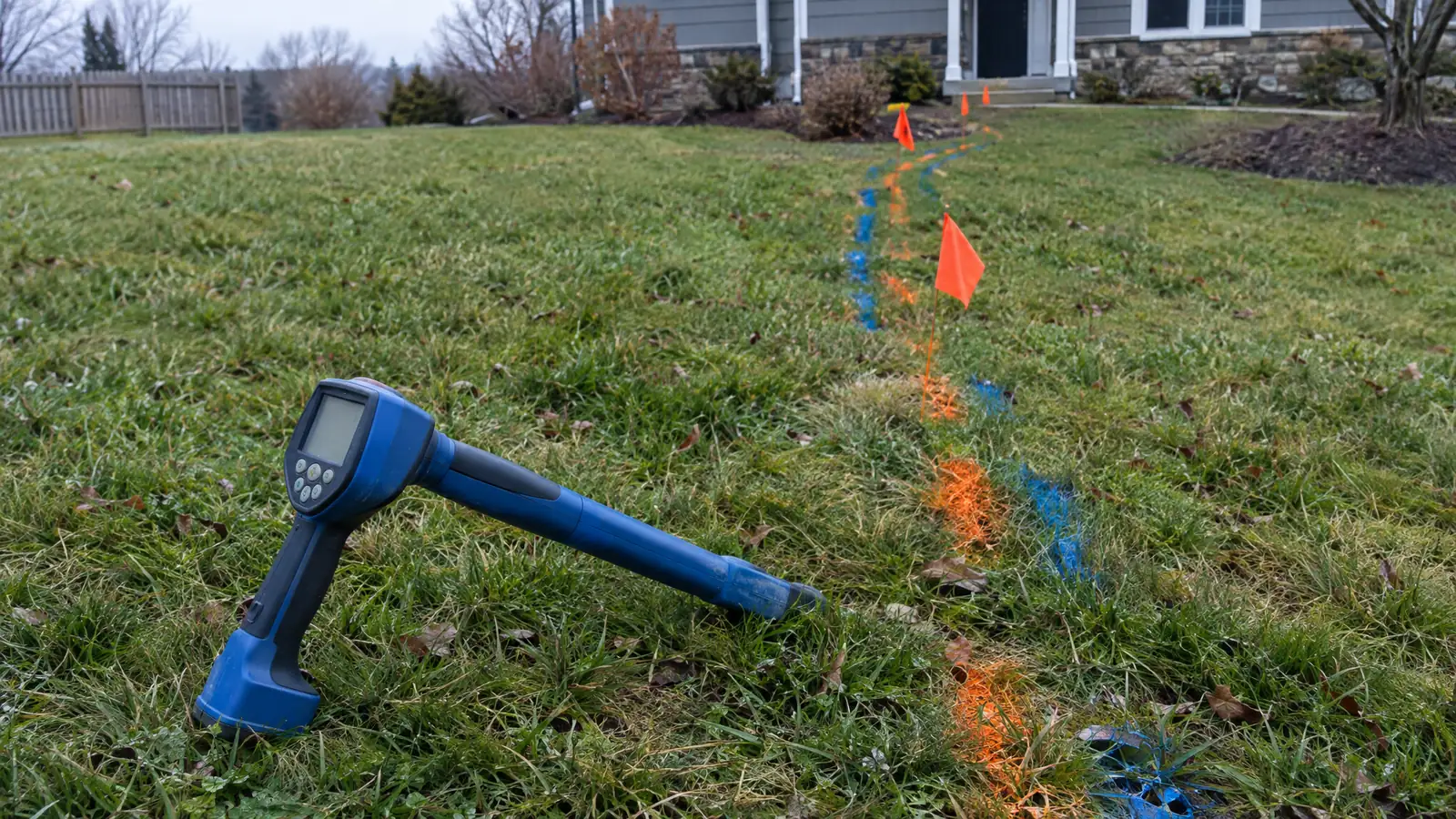
Above ground, a technician walks the lawn with a handheld receiver that detects the signal. The signal peaks directly above the sonde, so the technician can find the pipe’s position, and the receiver can estimate depth.
Moving the camera forward and repeating the process traces the whole route.
Marking
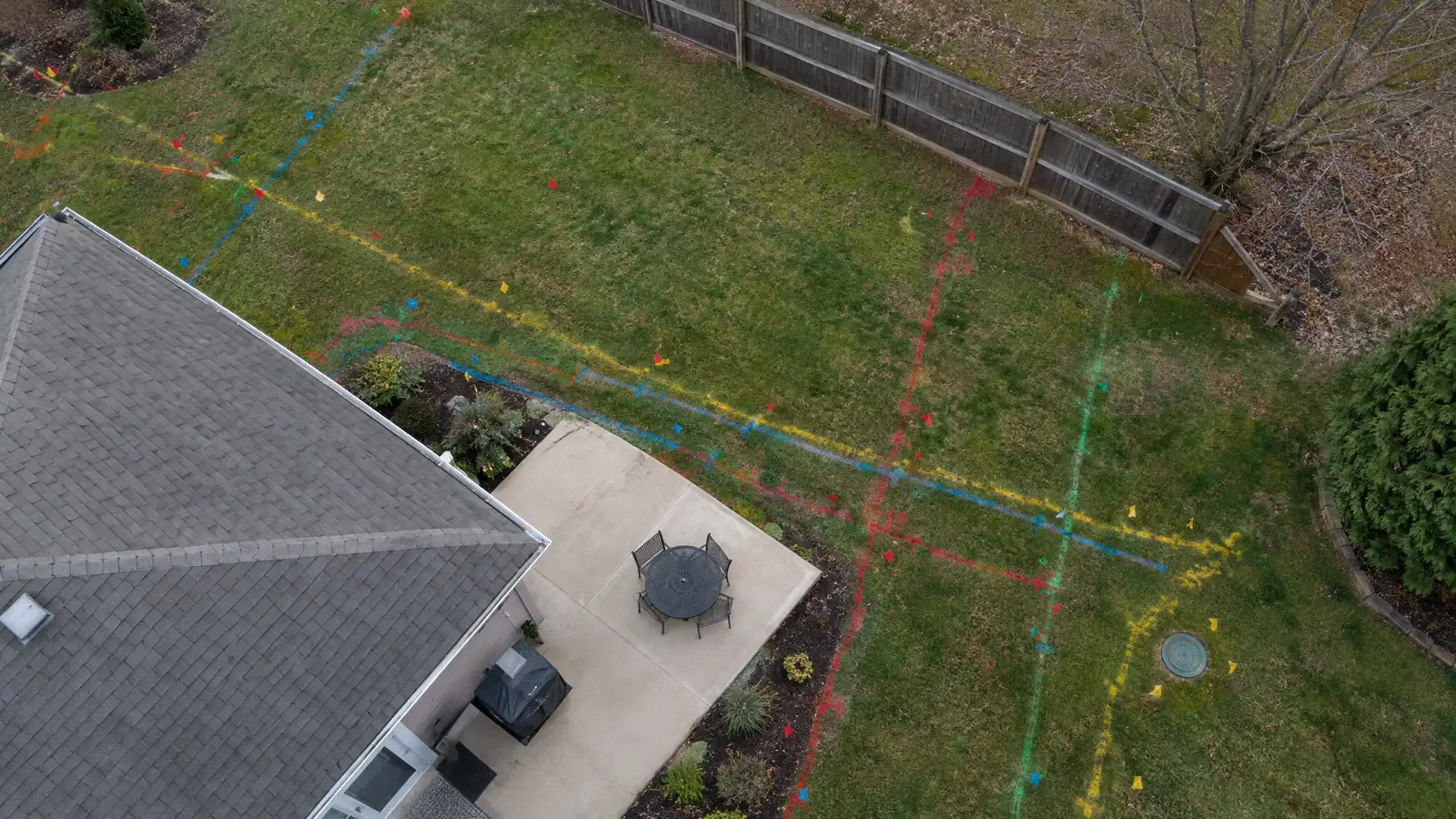
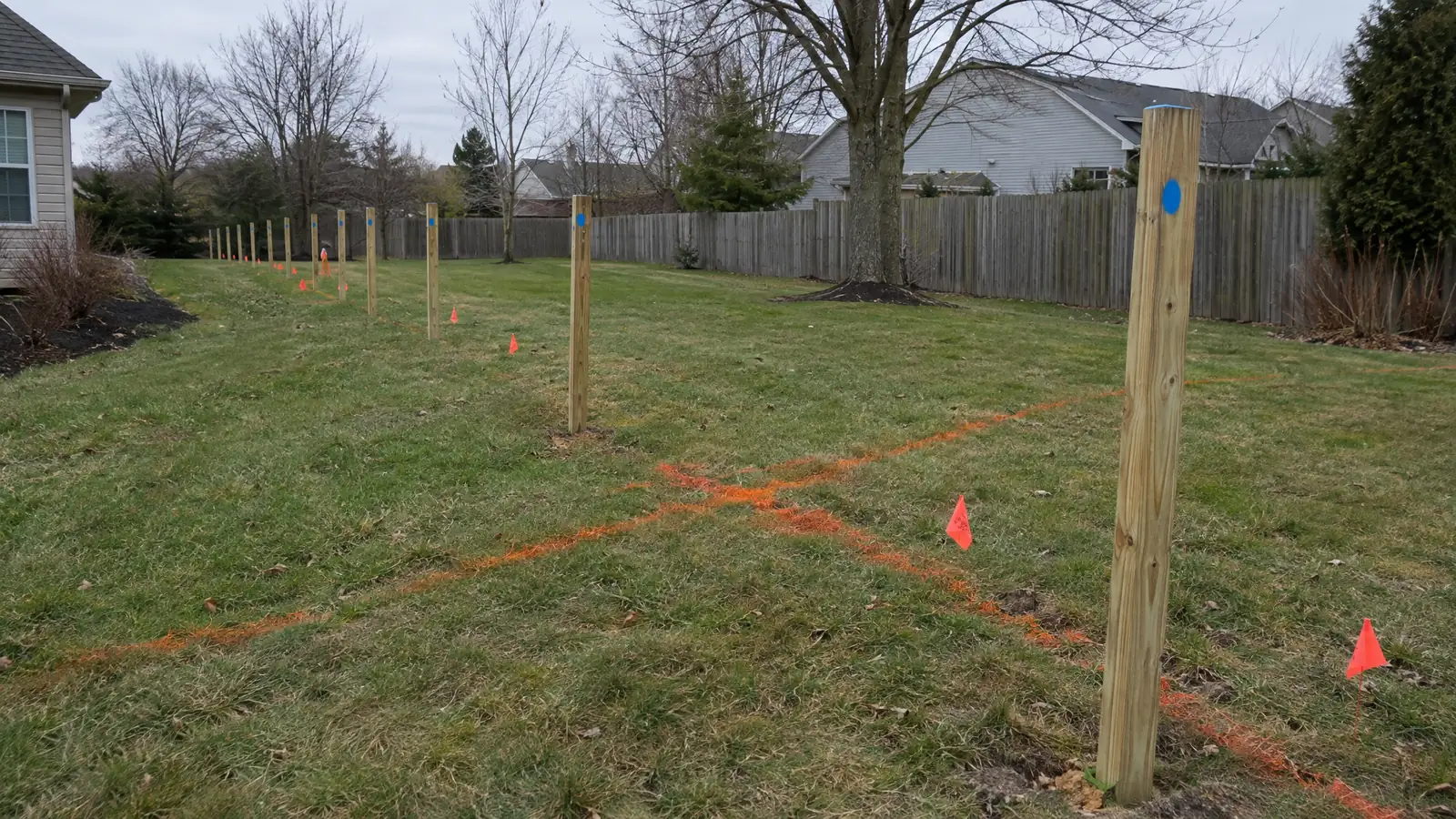
The route is marked with paint or flags, and key points such as turns, junctions and defects get their own marks. Depth readings are noted at those points.
Photographs of the marks make a lasting record, since paint fades.
Limits
Dense metal, other buried lines, deep pipes and wet or conductive soils can interfere. Readings are estimates.
Before digging near a marked line, hand-dig and confirm the pipe’s position and depth.
Quick answers
Can you locate a line with no camera?
In some cases, with a transmitter fed through a cleanout. A camera adds information.
Will the marks damage the lawn?
Marking paint is temporary and washes away. Flags are removed or left, as you prefer.
Want a professional look at your own pipe?
Schedule a camera inspection with the form below, or call (615) 952-0844.