Key takeaways
- Different leaks need different methods
- Cameras show damage inside drain and sewer pipes
- Listening tools help with pressurized water lines
- No method is perfect, so ask about confidence
Drain and sewer leaks
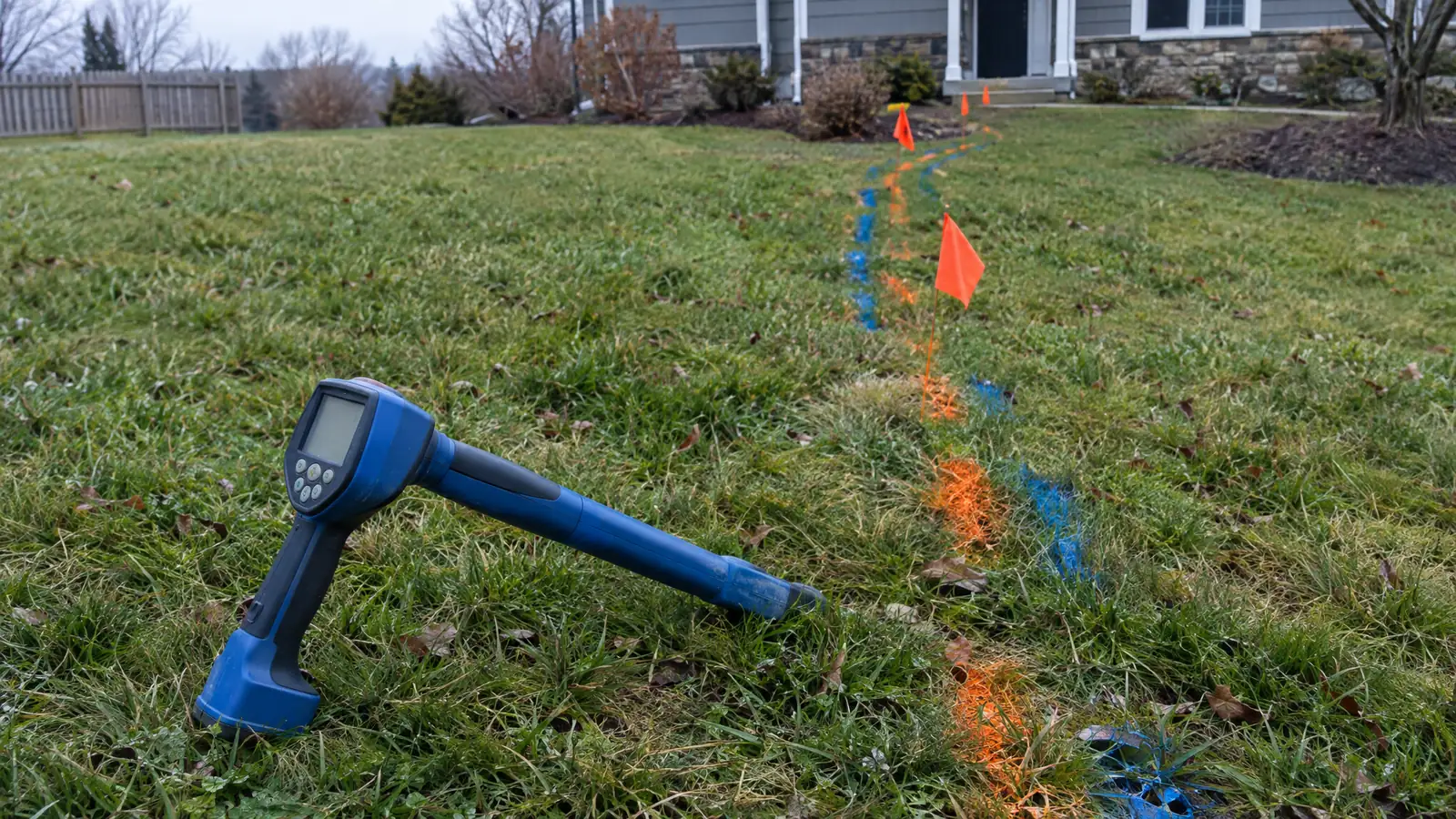
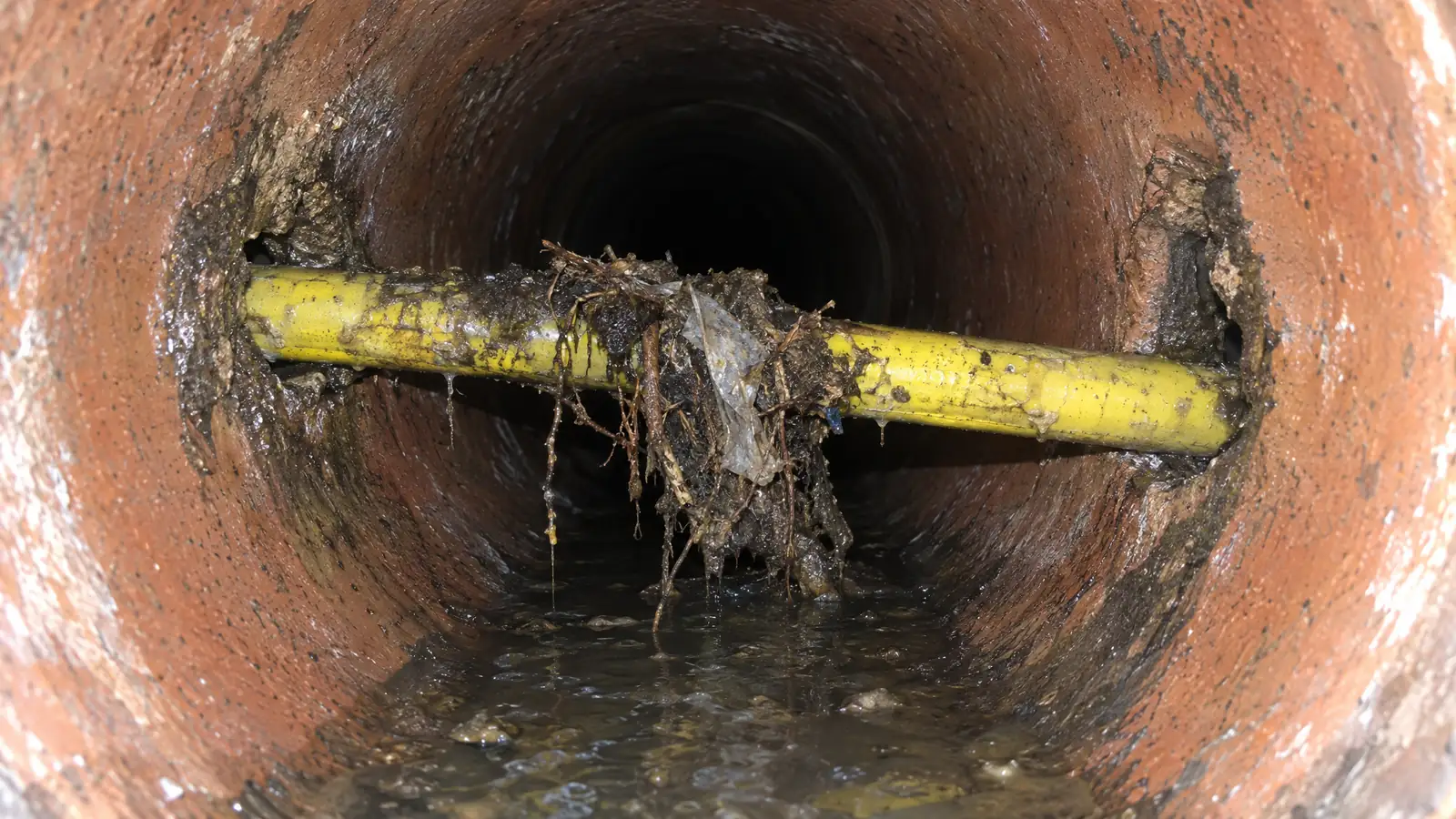
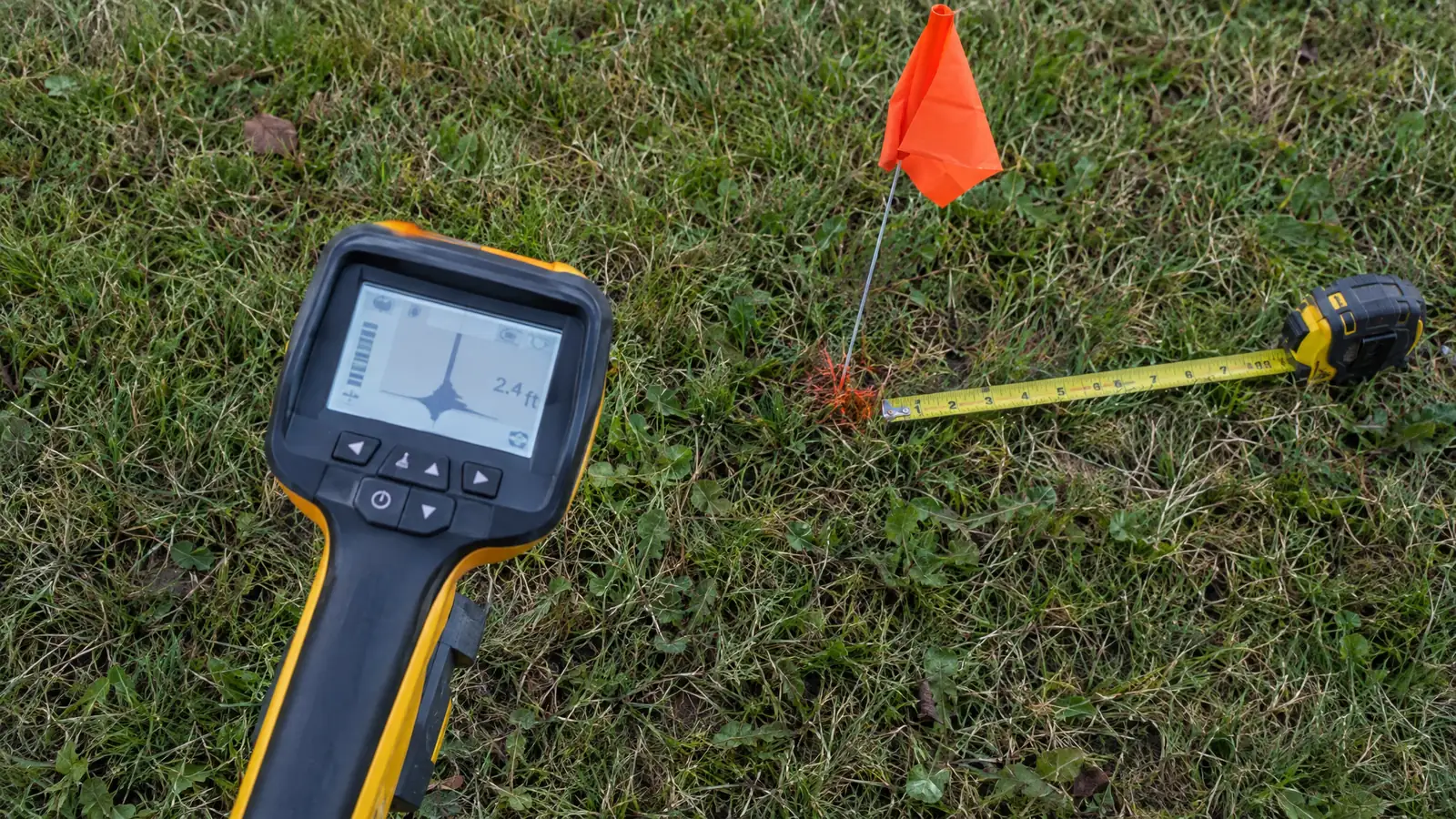
These are visible on camera: a crack, a missing pipe section, a displaced joint or a gap. The locator then marks the position at the surface.
The camera is the most direct method for non-pressurized pipes.
Pressurized supply leaks
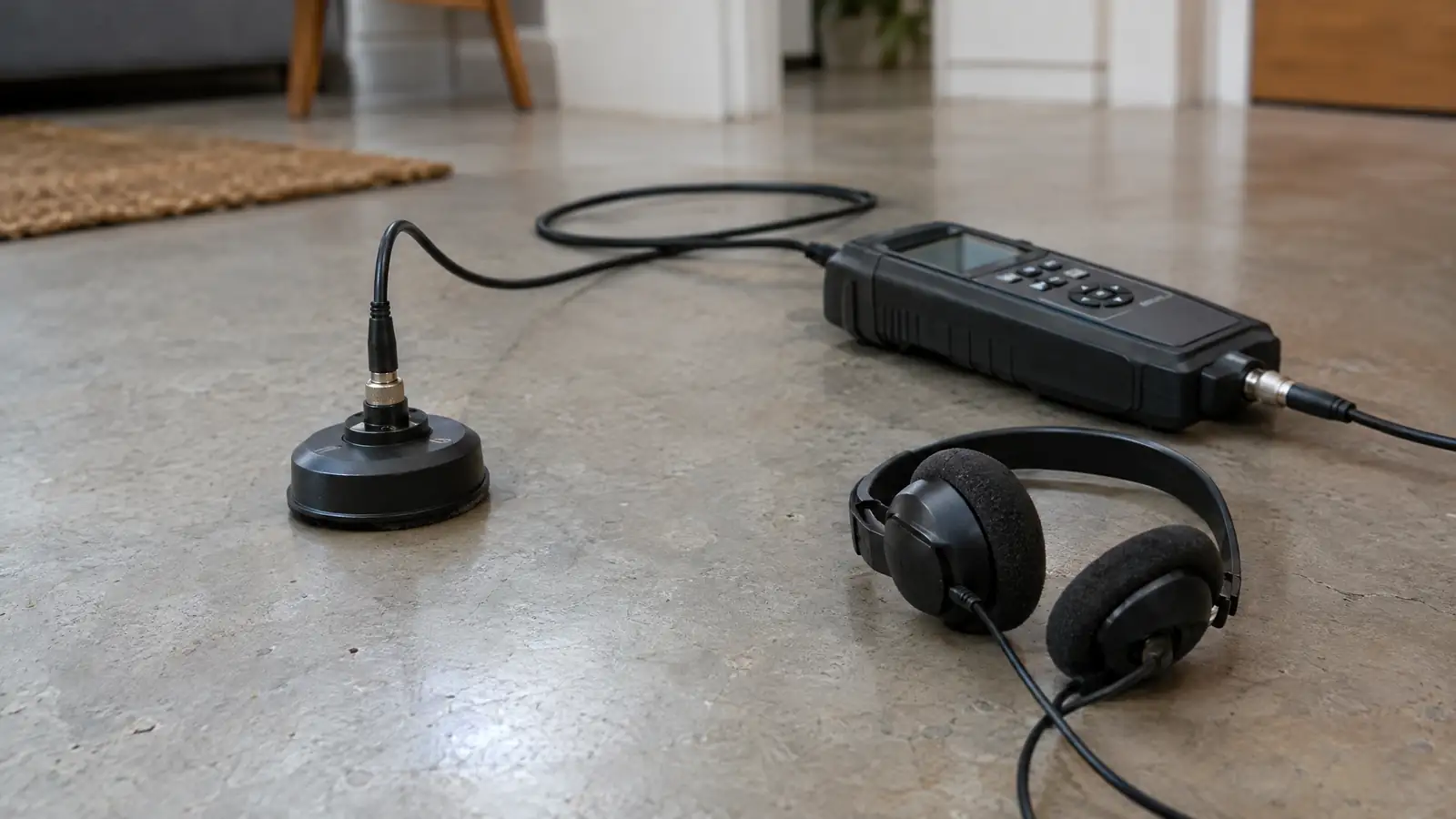
Supply lines are under pressure, and a leak makes a sound that can be picked up by listening equipment or a ground microphone. Pressure tests and the water meter help confirm that a leak exists at all.
Locating the exact point takes patience and several methods.
Tracing and elimination
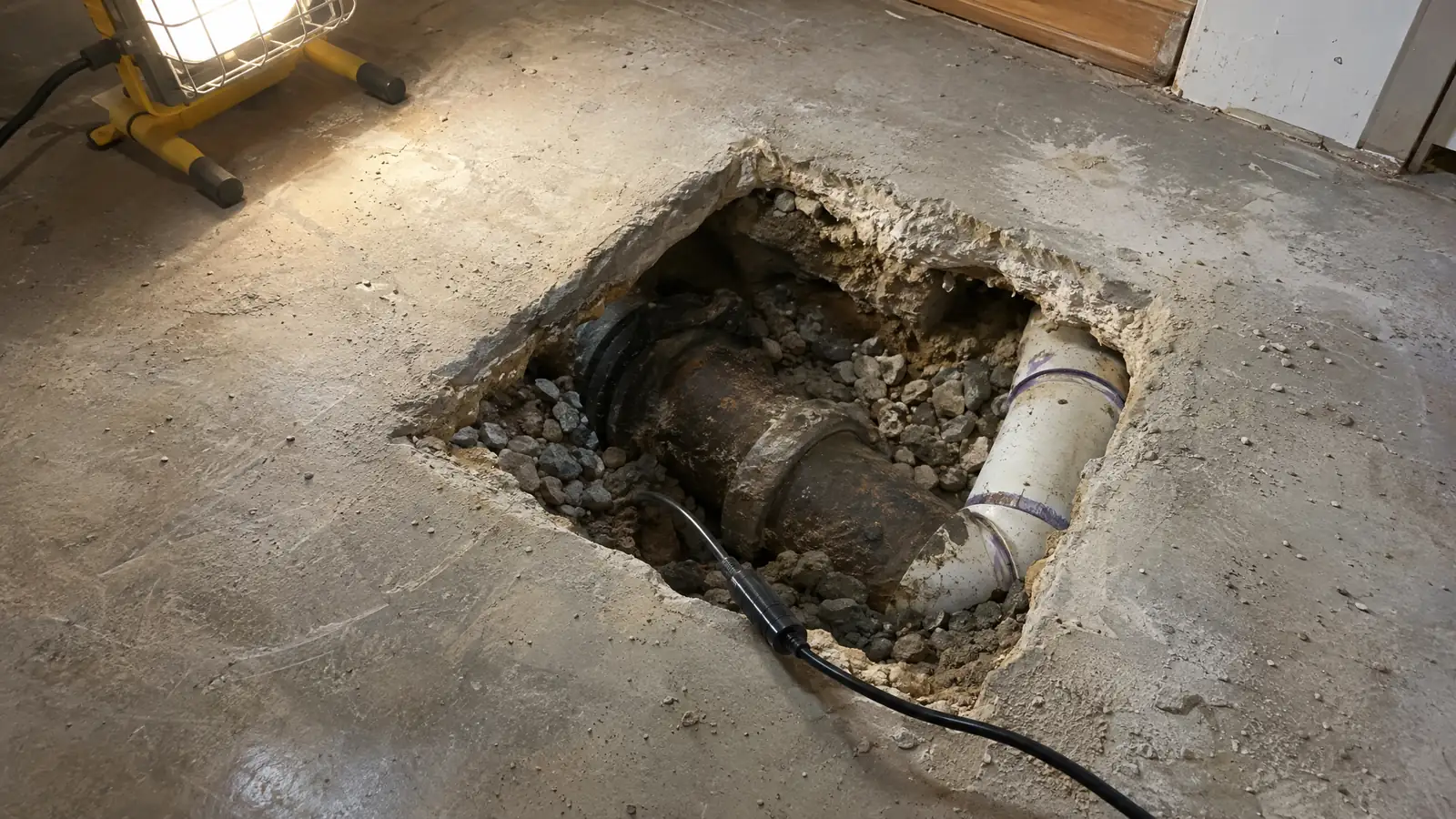
If an area is suspect, the line can be isolated and tested in sections. Dye or tracer methods can show where water goes. Thermal and moisture tools can help narrow a spot on a slab, subject to conditions.
Elimination is often as valuable as detection.
How sure is sure?
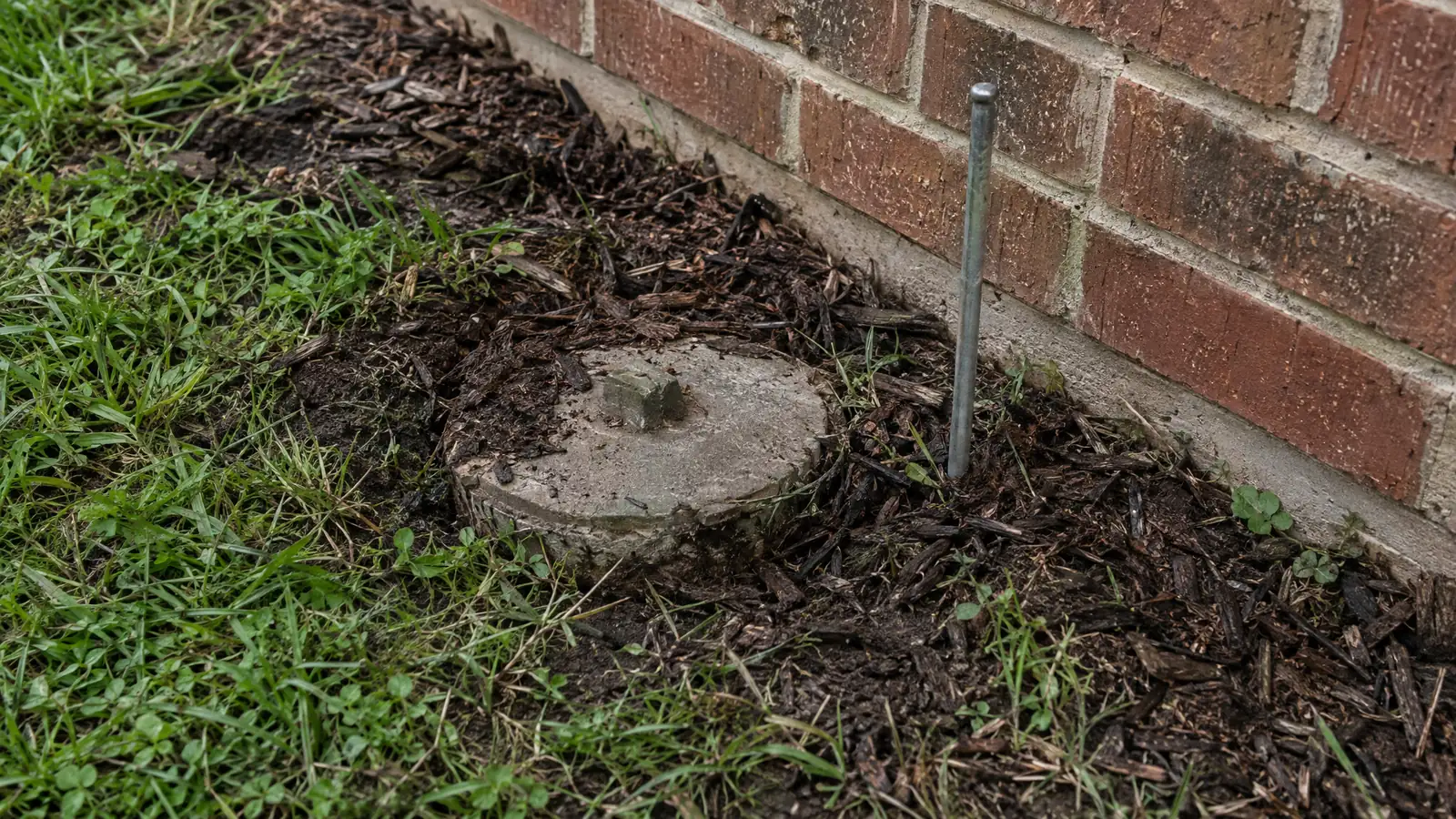
Ground conditions, pipe material and depth all affect accuracy. A trustworthy company tells you how confident it is in a location and what a small test excavation would confirm.
Beware of anyone who promises certainty without caveats.
Quick answers
Do you find supply line leaks?
We focus on drain and sewer lines and use listening and tracing to narrow other suspected leaks. We tell you what we can and cannot determine.
How do I know there is a leak at all?
A water meter that moves when everything is off, a high bill, damp patches and unexplained sounds are clues.
Want a professional look at your own pipe?
Schedule a camera inspection with the form below, or call (615) 952-0844.